Hydrazine hydrate (1:1) → HCID 21260121, compound
Reaction equation

[CH2:1]([S:17][CH2:18][CH2:19][CH2:20][CH2:21][CH2:22][CH2:23][CH2:24][CH2:25][CH2:26][CH2:27][C:28]([OH:30])=O)[CH2:2][CH2:3][CH2:4][CH2:5][CH2:6][CH2:7][CH2:8][CH2:9][CH2:10][CH2:11][CH2:12][CH2:13][CH2:14][CH2:15][CH3:16].O.C1(C)C=CC(S(O)(=O)=O)=CC=1.O.[NH2:44][NH2:45]>C(O)CC>[CH2:1]([S:17][CH2:18][CH2:19][CH2:20][CH2:21][CH2:22][CH2:23][CH2:24][CH2:25][CH2:26][CH2:27][C:28]([NH:44][NH2:45])=[O:30])[CH2:2][CH2:3][CH2:4][CH2:5][CH2:6][CH2:7][CH2:8][CH2:9][CH2:10][CH2:11][CH2:12][CH2:13][CH2:14][CH2:15][CH3:16]Participants
5
Reactant 3



Product 1

Reagents, catalysts & solvents 1
Procedure
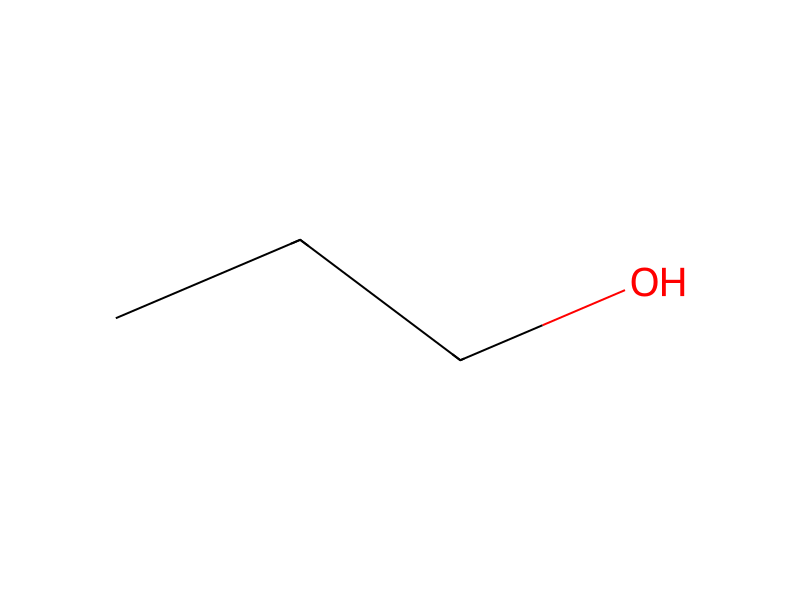
22.1 Grams of 11-(hexadecylthio)undecanoic acid, 1.0 g of p-toluenesulfonic acid monohydrate and 200 ml of n-propanol were charged in a flask equipped with a stirrer, a condenser and a calcium chloride drying tube and refluxed with heating for 4 hours. Thereafter, to the solution was added 12.5 g of hydrazine monohydrate, followed by refluxing with heating for further 20 hours. The reaction mixture was cooled to room temperature and the precipitated crystal was filtered off under reduced pressure and washed with distilled water. The crystal was recrystallized from 2-propanol to obtain 16.0 g of the desired product. m.p. 108° C.
Workup
- customequipped with a stirrer, a condenser and a calcium chloride drying tube
- temperaturerefluxed
- temperaturewith heating for 4 hours
- temperatureby refluxing
- temperaturewith heating for further 20 hours
- filtrationthe precipitated crystal was filtered off under reduced pressure
- washwashed with distilled water
- customThe crystal was recrystallized from 2-propanol
Sources & evidence
- ORD record
- ord-5948c1ebb8704748b16b136d4ea16f37
- Source dataset
- uspto-grants-1998_10
- Patent number
- US05817599
Reaction notes
Loading…