Potassium Carbonate → 6-tert-Butyl-8-fluoro-2-(2-(hydroxymethyl)-3-(1-methyl-5-(5-(4-methylpiperazin-1-yl)pyridin-2-ylamino)-6-oxo-1,6-dihydropyridin-3-yl)phenyl)phthalazin-1(2H)-one
Reaction equation

[C:1]([C:5]1[CH:6]=[C:7]2[C:12](=[C:13]([F:15])[CH:14]=1)[C:11](=[O:16])[N:10]([C:17]1[CH:22]=[CH:21][CH:20]=[C:19](Cl)[C:18]=1[CH2:24][OH:25])[N:9]=[CH:8]2)([CH3:4])([CH3:3])[CH3:2].[CH3:26][N:27]1[CH:32]=[C:31](B2OC(C)(C)C(C)(C)O2)[CH:30]=[C:29]([NH:42][C:43]2[CH:48]=[CH:47][C:46]([N:49]3[CH2:54][CH2:53][N:52]([CH3:55])[CH2:51][CH2:50]3)=[CH:45][N:44]=2)[C:28]1=[O:56].C1(P(C2CCCCC2)C2CCCCC2)CCCCC1.C([O-])([O-])=O.[K+].[K+]>C1C=CC(/C=C/C(/C=C/C2C=CC=CC=2)=O)=CC=1.C1C=CC(/C=C/C(/C=C/C2C=CC=CC=2)=O)=CC=1.[Pd]>[C:1]([C:5]1[CH:6]=[C:7]2[C:12](=[C:13]([F:15])[CH:14]=1)[C:11](=[O:16])[N:10]([C:17]1[CH:22]=[CH:21][CH:20]=[C:19]([C:31]3[CH:30]=[C:29]([NH:42][C:43]4[CH:48]=[CH:47][C:46]([N:49]5[CH2:50][CH2:51][N:52]([CH3:55])[CH2:53][CH2:54]5)=[CH:45][N:44]=4)[C:28](=[O:56])[N:27]([CH3:26])[CH:32]=3)[C:18]=1[CH2:24][OH:25])[N:9]=[CH:8]2)([CH3:4])([CH3:3])[CH3:2]Participants
Reactant 4



Product 1

Reagents, catalysts & solvents 1
Conditions
- Temperature
- 90 °C
Procedure
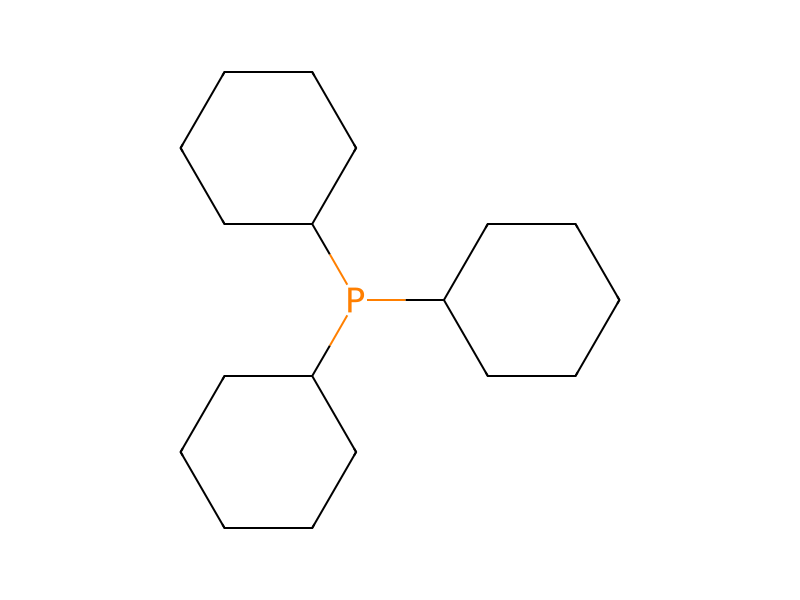
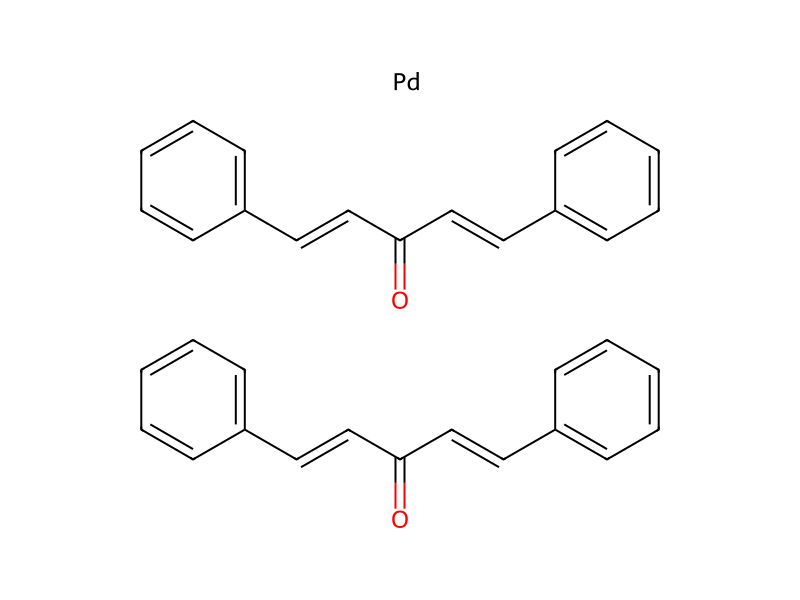
To a 10 mL flask were added 6-tert-butyl-2-(3-chloro-2-hydroxymethyl-phenyl)-8-fluoro-2H-phthalazin-1-one 101j (100 mg, 0.27 mmol), 1-methyl-3-[5-(4-methyl-piperazin-1-yl)-pyridin-2-ylamino]-5-(4,4,5,5-tetramethyl-[1,3,2]dioxaborolan-2-yl)-1H-pyridin-2-one (141 mg, 0.33 mmol), PCy3 (6 mg), Pd(dba)2 (6 mg) and K2CO3 (112 mg, 0.8 mmol) in order. The flask was evacuated and backfilled with nitrogen. This sequence was repeated three times. Then, 20 percent aqueous 1,4-dioxane was added to the reaction mixture. The resulting mixture was heated to 90° C. for gentle reflux and stirred for 1.5 hr under Nitrogen atmosphere. The reaction mixture was cooled to room temperature and filtered through a diatomaceous earth filtration agent pad (CELITE®) and concentrated to afford a residue which was purified by prep-TLC (10% MeOH in CH2Cl2) to afford 101 (80 mg, 46%) as a yellow solid. MS: [M+H]+624. 1H NMR (400 MHz, DMSO-d6) δ 8.53 (d, J=2.0 Hz, 1H), 8.50 (d, J=1.6 Hz, 1H), 8.36 (s, 1H), 7.87 (d, J=3.2 Hz, 2H), 7.73 (d, J=12.8 Hz, 1H), 7.51 (t, J=7.6 Hz, 1H), 7.41 (d, J=3.2 Hz, 1H), 7.39 (d, J=3.6 Hz, 1H), 7.35 (dd, J=2.8, 9.2 Hz, 1H), 7.28 (d, J=2. Hz, 1H), 7.20 (d, J=9.2 Hz, 1H), 4.58 (t, J=4.8 Hz, 1H), 4.36 (s, 2H), 3.58 (s, 3H), 3.04 (m, 4H), 2.44 (m, 4H), 2.21 (s, 3H), 1.38 (s, 9H).
Workup
- customThe flask was evacuated
- additionThen, 20 percent aqueous 1,4-dioxane was added to the reaction mixture
- temperaturefor gentle reflux
- temperatureThe reaction mixture was cooled to room temperature
- filtrationfiltered through a diatomaceous earth filtration agent pad (CELITE®)
- concentrationconcentrated
- customto afford a residue which
- customwas purified by prep-TLC (10% MeOH in CH2Cl2)
Sources & evidence
- ORD record
- ord-551132e81edd4c6e8d4f1a4f83e876d2
- Source dataset
- uspto-grants-2014_06
- Patent number
- US08754077B2
Reaction notes
Loading…