Cesium carbonate → (S)-6-tert-Butyl-8-fluoro-2-(3-(hydroxymethyl)-4-(5-(5-(2-methyl-4-(oxetan-3-yl)piperazin-1-yl)pyridin-2-ylamino)-6-oxo-1,6-dihydropyridin-3-yl)pyridin-2-yl) phthalazin-1(2H)-one
Reaction equation

Cl[C:2]1[CH:3]=[C:4]([NH:9][C:10]2[CH:15]=[CH:14][C:13]([N:16]3[CH2:21][CH2:20][N:19]([CH:22]4[CH2:25][O:24][CH2:23]4)[CH2:18][C@@H:17]3[CH3:26])=[CH:12][N:11]=2)[C:5](=[O:8])[NH:6][CH:7]=1.C([O:30][CH2:31][C:32]1[C:33]([N:47]2[N:56]=[CH:55][C:54]3[C:49](=[C:50]([F:61])[CH:51]=[C:52]([C:57]([CH3:60])([CH3:59])[CH3:58])[CH:53]=3)[C:48]2=[O:62])=[N:34][CH:35]=[CH:36][C:37]=1B1OC(C)(C)C(C)(C)O1)(=O)C.C1CCC(P(C2CCCCC2)C2CCCCC2)CC1.C([O-])([O-])=O.[Cs+].[Cs+]>C1C=CC(/C=C/C(/C=C/C2C=CC=CC=2)=O)=CC=1.C1C=CC(/C=C/C(/C=C/C2C=CC=CC=2)=O)=CC=1.C1C=CC(/C=C/C(/C=C/C2C=CC=CC=2)=O)=CC=1.[Pd].[Pd].O.O1CCOCC1>[C:57]([C:52]1[CH:53]=[C:54]2[C:49](=[C:50]([F:61])[CH:51]=1)[C:48](=[O:62])[N:47]([C:33]1[C:32]([CH2:31][OH:30])=[C:37]([C:2]3[CH:3]=[C:4]([NH:9][C:10]4[CH:15]=[CH:14][C:13]([N:16]5[CH2:21][CH2:20][N:19]([CH:22]6[CH2:25][O:24][CH2:23]6)[CH2:18][C@@H:17]5[CH3:26])=[CH:12][N:11]=4)[C:5](=[O:8])[NH:6][CH:7]=3)[CH:36]=[CH:35][N:34]=1)[N:56]=[CH:55]2)([CH3:60])([CH3:58])[CH3:59]Participants
Reactant 4
 HCID 10796Cesium carbonate
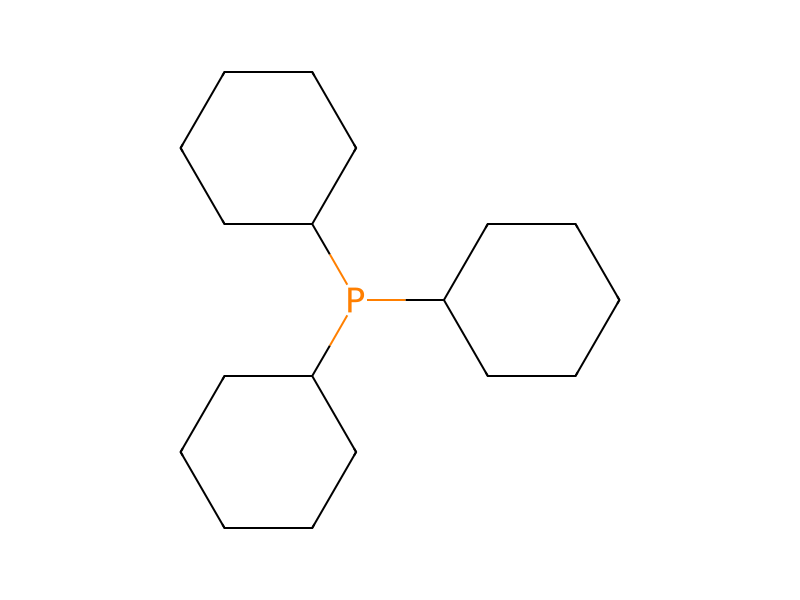 HCID 75806Tricyclohexylphosphine
 HCID 86683972(2-(6-tert-butyl-8-fluoro-1-oxophthalazin-2(1H)-yl)-4-(4,4,5,5-tetramethyl-1,3,2-dioxaborolan-2-yl)pyridin-3-yl)methyl acetate
 HCID 86684015(S)-5-Chloro-3-(5-(2-methyl-4-(oxetan-3-yl)piperazin-1-yl)pyridin-2-ylamino)pyridin-2(1H)-one
Product 1

Reagents, catalysts & solvents 3



Conditions
- Temperature
- 120 °C
Procedure
A sealed tube equipped with a magnetic stirrer was charged with 138c (150 mg, 0.40 mmol), 3-(acetoxymethyl)-2-(6-tert-butyl-8-fluoro-1-oxophthalazin-2(1H)-yl)pyridin-4-ylboronic acid 116c (495.6 mg, 1.2 mmol), Pd2(dba)3 (36.6 mg, 0.040 mmol), P(cy)3(44.6 mg, 0.16 mmol), Cs2CO3 (391.2 mg, 1.2 mmol), dioxane (8 mL), and water (0.2 mL). After three cycles of vacuum/argon flush, the mixture was heated at 120° C. for 4 h. After this time the reaction was cooled to room temperature. It was then filtered and the filtrate was evaporated under reduced pressure. The residue was purified by silica-gel column chromatography eluting with 40:1 ethyl acetate/methanol and further purified by reverse-phase prep-HPLC to afford 138 (48 mg, 18%) as a yellow solid. MS-ESI: [M+H]+ 667.3. 1H NMR (500 MHz, DMSO-d6) δ 12.05 (s, 1H), 8.65 (d, J=2.0 Hz, 1H), 8.57 (d, J=5.0 Hz, 1H), 8.55 (d, J=3.0 Hz, 1H), 8.44 (s, 1H), 7.91 (d, J=2.0 Hz, 1H), 7.87 (d, J=2.5 Hz, 1H), 7.79 (dd, J=1.0 Hz, 13.0 Hz, 1H), 7.54 (d, J=5.0 Hz, 1H), 7.39 (dd, J=2.5 Hz, 9.0 Hz, 1H), 7.26-7.23 (m, 2H), 4.97-4.95 (m, 1H), 4.58-4.54 (m, 2H), 4.48-4.46 (m, 1H), 4.43-4.41 (m, 1H), 4.38-4.37 (m, 2H), 3.69-3.68 (m, 1H), 3.41-3.39 (m, 1H), 3.11-3.09 (m, 1H), 2.97-2.93 (m, 1H), 2.56-2.54 (m, 1H), 2.35-2.32 (m, 2H), 2.21-2.17 (m, 1H), 1.40 (s, 9H), 0.94 (d, J=6.5 Hz, 3H),
Workup
- customA sealed tube equipped with a magnetic stirrer
- customAfter three cycles of vacuum/argon flush
- temperatureAfter this time the reaction was cooled to room temperature
- filtrationIt was then filtered
- customthe filtrate was evaporated under reduced pressure
- customThe residue was purified by silica-gel column chromatography
- washeluting with 40:1 ethyl acetate/methanol
- customfurther purified by reverse-phase prep-HPLC
Sources & evidence
- ORD record
- ord-73c295bd6d094e82a5f9f25e9b09d01d
- Source dataset
- uspto-grants-2014_06
- Patent number
- US08754077B2
Reaction notes
Loading…