Diisopropylethylamine → 2-chloro-5-bromo-N-(5-isopropoxy-1H-pyrazol-3-yl)pyrimidin-4-amine
Reaction equation

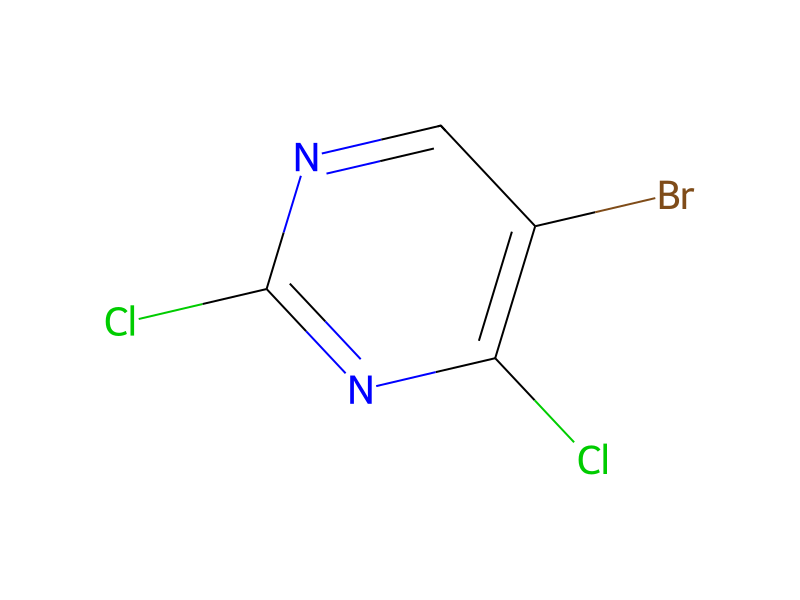
[CH:1]([O:4][C:5]1[NH:9][N:8]=[C:7]([NH2:10])[CH:6]=1)([CH3:3])[CH3:2].CCN(C(C)C)C(C)C.[Cl:20][C:21]1[N:26]=[C:25](Cl)[C:24]([Br:28])=[CH:23][N:22]=1>C1COCC1>[Br:28][C:24]1[C:23]([NH:10][C:7]2[CH:6]=[C:5]([O:4][CH:1]([CH3:3])[CH3:2])[NH:9][N:8]=2)=[N:22][C:21]([Cl:20])=[N:26][CH:25]=1Participants
5




Procedure
To a solution of 5-isopropoxy-1H-pyrazol-3-amine (11.6 g, 82.1 mmol) in THF (85 ml) was added DIPEA (16 ml) and 2,4-dichloro-5-bromopyrimidine (17 g, 74.6 mmol) and the resulting solution was aged at 40° C. for 16 hours. The mixture was partitioned between EtOAc and H2O, the organic layer was washed with brine and dried. The solvents were removed under reduced pressure and column chromatography gave the title compound as a solid. m/z: 332.
Workup
- customThe mixture was partitioned between EtOAc and H2O
- washthe organic layer was washed with brine
- customdried
- customThe solvents were removed under reduced pressure and column chromatography
Sources & evidence
- ORD record
- ord-868a143f254e43028a58d2cee7fe666b
- Source dataset
- uspto-grants-2012_01
- Patent number
- US08088784B2
Reaction notes
Loading…