Triethylamine → HCID 86633714, compound
Reaction equation

[Cl:1][C:2]1[C:11]([N+:12]([O-:14])=[O:13])=[C:10](Cl)[C:9]2[C:4](=[CH:5][CH:6]=[CH:7][CH:8]=2)[N:3]=1.C(N(CC)CC)C.[CH3:23][O:24][C:25]1[CH:32]=[CH:31][C:28]([CH2:29][NH2:30])=[CH:27][CH:26]=1>CN(C=O)C>[Cl:1][C:2]1[C:11]([N+:12]([O-:14])=[O:13])=[C:10]([NH:30][CH2:29][C:28]2[CH:31]=[CH:32][C:25]([O:24][CH3:23])=[CH:26][CH:27]=2)[C:9]2[C:4](=[CH:5][CH:6]=[CH:7][CH:8]=2)[N:3]=1Participants
5
Reactant 3

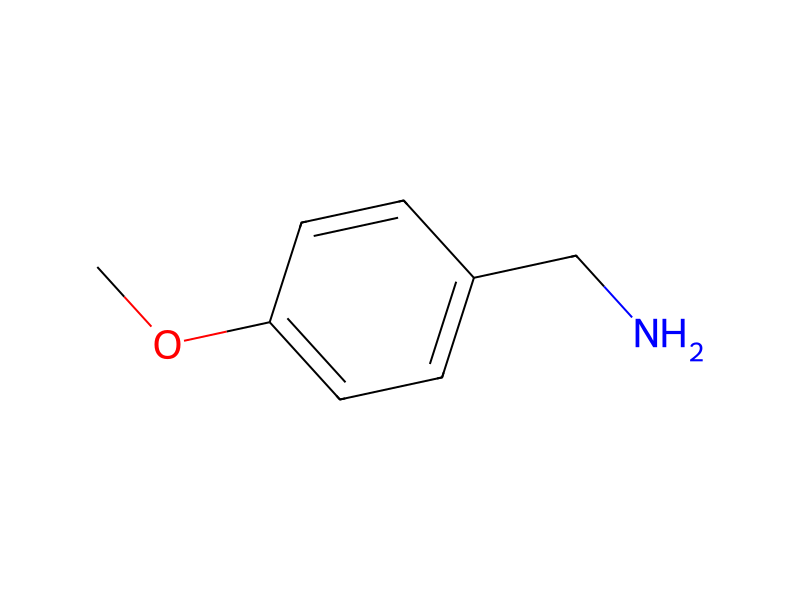

Product 1

Reagents, catalysts & solvents 1

Procedure
The method described in Part A of Example 1 was used to treat 2,4-dichloro-3-nitroquinoline (10.0 g, 40.8 mmol) in DMF (100 mL) with triethylamine (8.53 mL, 61.2 mmol) and 4-methoxybenzylamine (4.85 mL, 40.8 mmol). After the precipitate was isolated by filtration, it was dried for three hours in a vacuum oven at 60° C. to provide 13.1 g of 2-chloro-N-(4-methoxybenzyl)-3-nitroquinolin-4-amine as a brown solid.
Workup
- customAfter the precipitate was isolated by filtration, it
- customwas dried for three hours in a vacuum oven at 60° C.
Sources & evidence
- ORD record
- ord-bbc6d56edaf84992b73133f55dd53374
- Source dataset
- uspto-grants-2012_01
- Patent number
- US08088790B2
Reaction notes
Loading…