Sodium Sulfite → HCID 57947446, compound
Reaction equation

C1C2C(=CC=CC=2)C=C(NC(=O)OC[C@@H](N(C)C(NCC2C=CC=C([F:30])C=2F)=O)CC=C)N=1.C[N+]1([O-])CCOCC1.S([O-])([O-])=O.[Na+].[Na+].[CH:48]1[C:57]2[C:52](=[CH:53][CH:54]=[CH:55][CH:56]=2)[CH:51]=[C:50]([NH:58][C:59](=[O:82])[O:60][CH2:61][C@@H:62]([N:68]([CH3:81])[C:69]([NH:71][CH2:72][C:73]2[CH:78]=[CH:77][CH:76]=[C:75]([F:79])[C:74]=2Cl)=[O:70])[CH2:63][C@@H:64]([OH:67])[CH2:65][OH:66])[N:49]=1.[CH:83]1[C:92]2[C:87](=[CH:88][CH:89]=[CH:90][CH:91]=2)[CH:86]=[C:85]([NH:93][C:94](=[O:117])[O:95][CH2:96][C@@H:97]([N:103]([CH3:116])[C:104]([NH:106][CH2:107][C:108]2[CH:113]=[CH:112][CH:111]=[C:110]([F:114])[C:109]=2Cl)=[O:105])[CH2:98][C@H:99]([OH:102])[CH2:100][OH:101])[N:84]=1>C1COCC1.O.[Os](=O)(=O)(=O)=O>[CH:48]1[C:57]2[C:52](=[CH:53][CH:54]=[CH:55][CH:56]=2)[CH:51]=[C:50]([NH:58][C:59](=[O:82])[O:60][CH2:61][C@@H:62]([N:68]([CH3:81])[C:69]([NH:71][CH2:72][C:73]2[CH:78]=[CH:77][CH:76]=[C:75]([F:79])[C:74]=2[F:30])=[O:70])[CH2:63][C@@H:64]([OH:67])[CH2:65][OH:66])[N:49]=1.[CH:83]1[C:92]2[C:87](=[CH:88][CH:89]=[CH:90][CH:91]=2)[CH:86]=[C:85]([NH:93][C:94](=[O:117])[O:95][CH2:96][C@@H:97]([N:103]([CH3:116])[C:104]([NH:106][CH2:107][C:108]2[CH:113]=[CH:112][CH:111]=[C:110]([F:114])[C:109]=2[F:30])=[O:105])[CH2:98][C@H:99]([OH:102])[CH2:100][OH:101])[N:84]=1Participants
Reactant 5


Product 2


Reagents, catalysts & solvents 3



Procedure
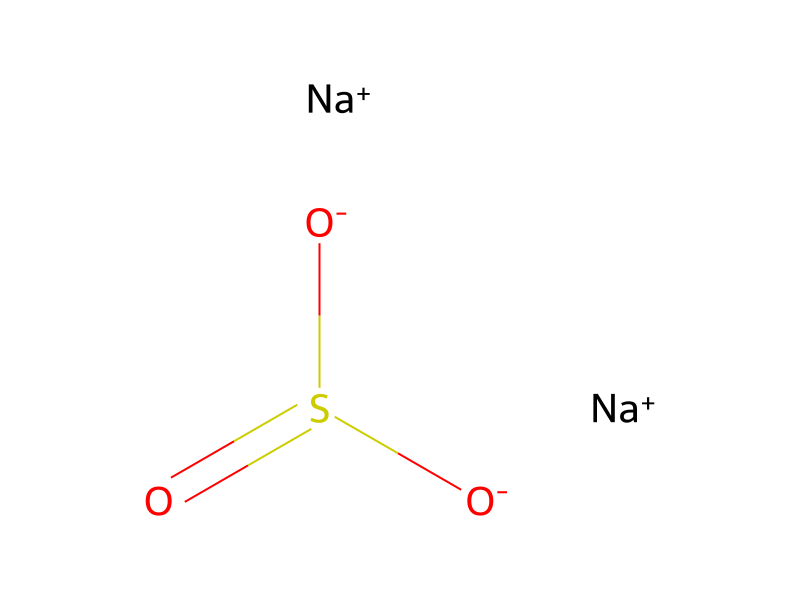
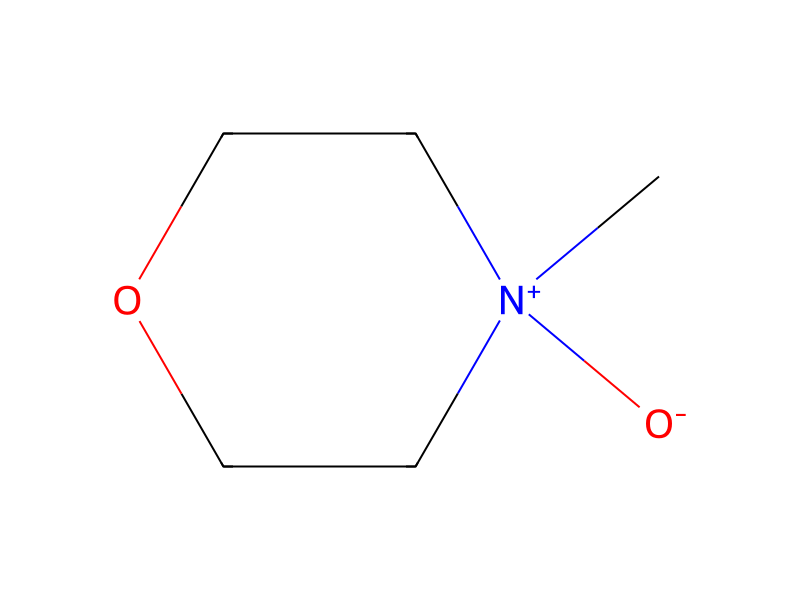
To a solution of (S)-2-(3-(2,3-difluorobenzyl)-1-methylureido)pent-4-enyl isoquinolin-3-ylcarbamate (3.42 g, 7.52 mmol) in THF (100 mL) and water (25.0 mL) were added 4-methylmorpholine N-oxide (4.4 g, 37.6 mmol) and osmium tetroxide (254.2 mg, 0.75 mmol). The resulting solution was stirred overnight. To this mixture was added sodium sulfite (3 g) and the mixture was stirred for 2 h. The solid was then removed by filtration. The filtrate was diluted with ethyl acetate (200 mL). The organic layer was washed with HCl (0.5 N), saturated NaHCO3, and brine, filtered, and partially concentrated. The mixture was filtered and the solid was collected and dried to give a mixture of (2S,4R)-2-(3-(2-chloro-3-fluorobenzyl)-1-methylureido)-4,5-dihydroxypentyl isoquinolin-3-ylcarbamate and (2S,4S)-2-(3-(2-chloro-3-fluorobenzyl)-1-methylureido)-4,5-dihydroxypentyl isoquinolin-3-ylcarbamate (1 g) as 1:2 ratio. The filtrate was concentrated and purified by RP-HPLC using a mixture of acetonitrile and water to give (2S,4R)-2-(3-(2,3-difluorobenzyl)-1-methylureido)-4,5-dihydroxypentyl isoquinolin-3-ylcarbamate (14 mg), (2S,4S)-2-(3-(2,3-difluorobenzyl)-1-methylureido)-4,5-dihydroxypentyl isoquinolin-3-ylcarbamate (10 mg), and a mixture of both (300 mg). LRMS (M+H+) m/z 489.2.
Workup
- stirringthe mixture was stirred for 2 h
- customThe solid was then removed by filtration
- additionThe filtrate was diluted with ethyl acetate (200 mL)
- washThe organic layer was washed with HCl (0.5 N), saturated NaHCO3, and brine
- filtrationfiltered
- concentrationpartially concentrated
- filtrationThe mixture was filtered
- customthe solid was collected
- customdried
- customto give
- concentrationThe filtrate was concentrated
- custompurified by RP-HPLC
- additiona mixture of acetonitrile and water
Sources & evidence
- ORD record
- ord-dfdbc738e48345009dc0939ec2719e21
- Source dataset
- uspto-grants-2012_01
- Patent number
- US08088793B2
Reaction notes
Loading…