Chloroacetyl chloride → 6-Nitro-2H-1,4-benzoxazin-3(4H)-one
Reaction equation

[NH2:1][C:2]1[CH:7]=[C:6]([N+:8]([O-:10])=[O:9])[CH:5]=[CH:4][C:3]=1[OH:11].C(N(CC)CC)C.Cl[CH2:20][C:21](Cl)=[O:22].[H-].[Na+]>C1COCC1>[N+:8]([C:6]1[CH:5]=[CH:4][C:3]2[O:11][CH2:20][C:21](=[O:22])[NH:1][C:2]=2[CH:7]=1)([O-:10])=[O:9]Participants
6
Reactant 4



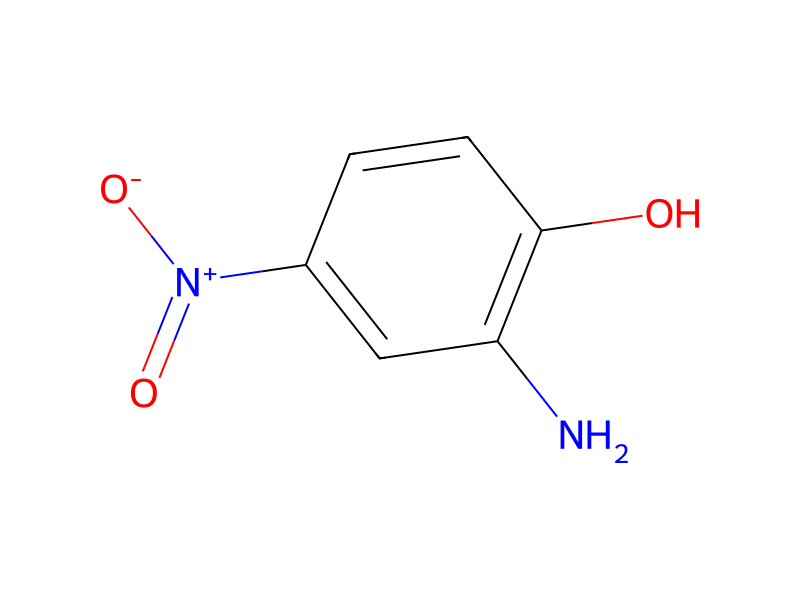
Product 1

Reagents, catalysts & solvents 1

Procedure
Using 2-amino-4-nitrophenol (10 g, 65 mmol), triethylamine (11.7 mL, 84 mmol) and chloroacetyl chloride (5.4 mL, 68 mmol) in THF (150 mL) followed by sodium hydride (5.2 g of a 60% suspension in oil, 130 mmol) to yield the title compound as a grey solid (5 g, 33%). δH (DMSO-d6) 4.78 (2H, s), 7.15 (1H, d, J 8.9 Hz), 7.74 (1H, d, J 2.4 Hz), 7.84 (1H, dd, J 8.9, 2.6 Hz), 11.09 (1H, s).
Sources & evidence
- ORD record
- ord-dfb598a84ae649d893eb266fa0f60981
- Source dataset
- uspto-grants-2012_01
- Patent number
- US08093238B2
Reaction notes
Loading…