Hydrochloric Acid → HCID 12000685, compound
Reaction equation

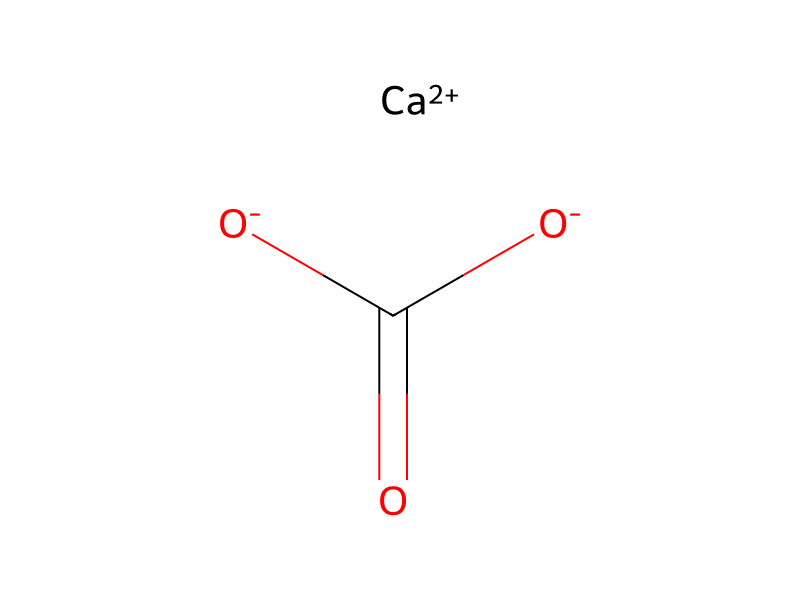
Cl.[N:2]1[CH:7]=[CH:6][CH:5]=[CH:4][C:3]=1[C:8](=[S:10])[NH2:9].C(=O)([O-])[O-].[Ca+2].Br[CH:17]([C:30]1[CH:35]=[CH:34][CH:33]=[CH:32][CH:31]=1)[C:18]([C:20]1[C:29]2[C:24](=[CH:25][CH:26]=[CH:27][CH:28]=2)[CH:23]=[CH:22][CH:21]=1)=O.Cl>CC(O)C>[C:20]1([C:18]2[N:9]=[C:8]([C:3]3[CH:4]=[CH:5][CH:6]=[CH:7][N:2]=3)[S:10][C:17]=2[C:30]2[CH:35]=[CH:34][CH:33]=[CH:32][CH:31]=2)[C:29]2[C:24](=[CH:25][CH:26]=[CH:27][CH:28]=2)[CH:23]=[CH:22][CH:21]=1Participants
6
Reactant 4



Product 1

Reagents, catalysts & solvents 1

Procedure
A 183 mg portion of pyridine-2-carbothioamide hydrochloride and 209 mg of calcium carbonate were added at room temperature to a 2-propanol solution (20 ml) of 340 mg of 2-bromo-1-(1-naphthyl)-2-phenylethanone and heated overnight under reflux. The reaction liquid was acidified by adding 1 M hydrochloric acid and then extracted with ethyl acetate. The organic layer was washed with saturated brine, dried with anhydrous sodium sulfate and then concentrated under a reduced pressure. The thus obtained residue was purified by a silica gel column chromatography using ethyl acetate:n-hexane (1:9) as the elution solvent, thereby obtaining 227 mg of 2-[4-(1-naphthyl)-5-phenyl-1,3-thiazol-2-yl]pyridine as a colorless solid.
Workup
- temperatureheated overnight
- temperatureunder reflux
- customThe reaction liquid
- extractionextracted with ethyl acetate
- washThe organic layer was washed with saturated brine
- dry with materialdried with anhydrous sodium sulfate
- concentrationconcentrated under a reduced pressure
- customThe thus obtained residue was purified by a silica gel column chromatography
Sources & evidence
- ORD record
- ord-5f22b9380e5e4d2cabc459309806fff3
- Source dataset
- uspto-grants-2012_01
- Patent number
- US08101580B2
Reaction notes
Loading…