Chloride → HCID 20390419, compound
Reaction equation

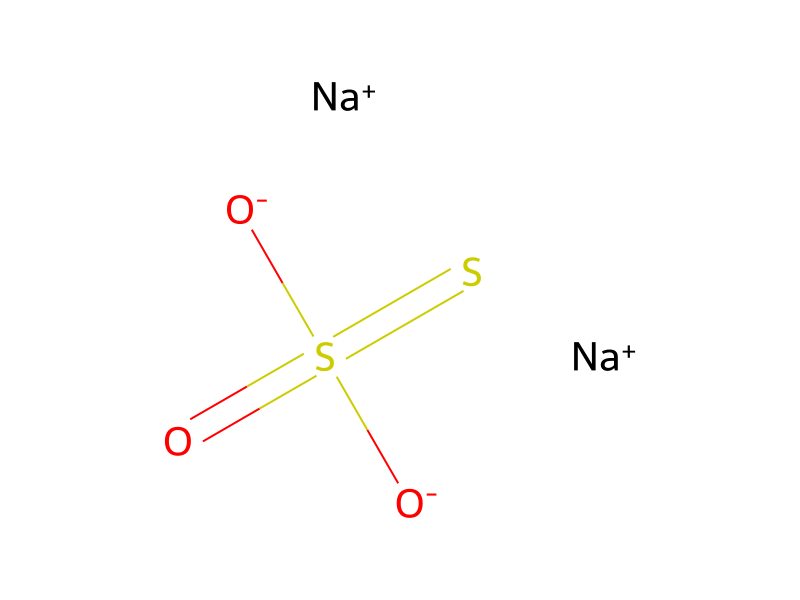
[Cl-].[I-].[Na+].S([O-])([O-])(=O)=S.[Na+].[Na+].I[CH2:12][CH2:13][CH2:14][CH2:15][C:16]([NH:18][NH:19][C:20]([N:22]1[CH2:28][C:27]2[CH:29]=[CH:30][CH:31]=[CH:32][C:26]=2[O:25][C:24]2[CH:33]=[CH:34][C:35]([Cl:37])=[CH:36][C:23]1=2)=[O:21])=[O:17].[NH:38]1[CH2:43][CH2:42][O:41][CH2:40][CH2:39]1>CC(C)=O>[O:41]1[CH2:42][CH2:43][N:38]([CH2:12][CH2:13][CH2:14][CH2:15][C:16]([NH:18][NH:19][C:20]([N:22]2[CH2:28][C:27]3[CH:29]=[CH:30][CH:31]=[CH:32][C:26]=3[O:25][C:24]3[CH:33]=[CH:34][C:35]([Cl:37])=[CH:36][C:23]2=3)=[O:21])=[O:17])[CH2:39][CH2:40]1Participants
Reactant 5




Product 1

Reagents, catalysts & solvents 1

Procedure
To a solution of 0.5 part of 8-chloro-10,11-dihydrodibenz[b,f][1,4]oxazepine-10-carboxylic acid hydrazide (U.S. Pat. No. 3,534,019) and 19.6 parts of acetonitrile is added 0.298 part of sodium bicarbonate followed by 0.6 part of 5-chloropentanoyl chloride. The solution is stirred for 48 hours at room temperature, after which time the solvent is removed under reduced pressure and the resulting residue is purified by recrystallization from ethyl acetate-cyclohexane to afford 1-(5-chloropentanoyl)-2-(8-chloro-10,11-dihydrodibenz[b,f][1,4]oxazepine-10-carbonyl)hydrazine, which has a melting point at about 148°-149° and is structurally represented by the following formula ##STR9## 14.8 Parts of the above chloride is reacted with 7.94 g of sodium iodide in 145 parts by volume of acetone containing a catalytic amount of sodium thiosulfate. The reaction mixture is stirred in the dark and refluxed for 5 hours and allowed to stand at room temperature. The solvent is removed and the residue taken up in benzene containing 1% sodium thiosulfate. The benzene is washed with aqueous sodium chloride and dried over sodium sulfate to provide an approximately 50--50 mixture of 1-(5-iodopentanoyl)-2-(8-chloro-10,11-dihydrodibenz[b,f][1,4]oxazepine-10-carbonyl)hydrazine and the (5-chloropentanoyl) derivative. 8 Parts of this mixture is reacted with 1.65 parts of morpholine in 80 parts by volume of acetone for 48 hours. The acetone is removed and 10% hydrochloric acid and benzene is added to the benzene layer. The benzene layer is separated and the aqueous acid layer is made basic with 5% potassium hydroxide and then extracted wtih benzene. The benzene layer is washed with sodium chloride solution and dried over sodium sulfate. The solvent is removed and the residue is crystallized from ethyl acetatecyclohexane to provide 1-(5-morpholinopentanoyl)-2-(8-chloro-10,11-dihydrodibenz[b,f][1,4]oxazepine-10-carbonyl)hydrazine melting at 107°-114° C. and having the following structural formula ##STR10##
Workup
- customat about 148°-149°
- temperaturerefluxed for 5 hours
- customto stand at room temperature
- customThe solvent is removed
- washThe benzene is washed with aqueous sodium chloride
- dry with materialdried over sodium sulfate
- customto provide
- customThe acetone is removed
- addition10% hydrochloric acid and benzene is added to the benzene layer
- customThe benzene layer is separated
- extractionextracted wtih benzene
- washThe benzene layer is washed with sodium chloride solution
- dry with materialdried over sodium sulfate
- customThe solvent is removed
- customthe residue is crystallized from ethyl acetatecyclohexane
Sources & evidence
- ORD record
- ord-a14059ba5d424347a785f8eb6e999c5f
- Source dataset
- uspto-grants-1979_10
- Patent number
- US04170593
Reaction notes
Loading…