Ammonium Persulfate → Isobutoxymethylacrylamide
Reaction equation

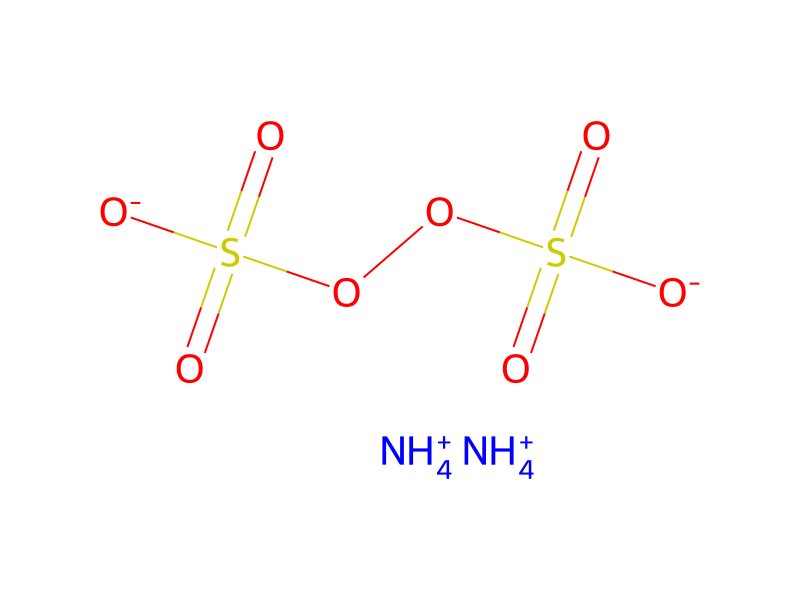
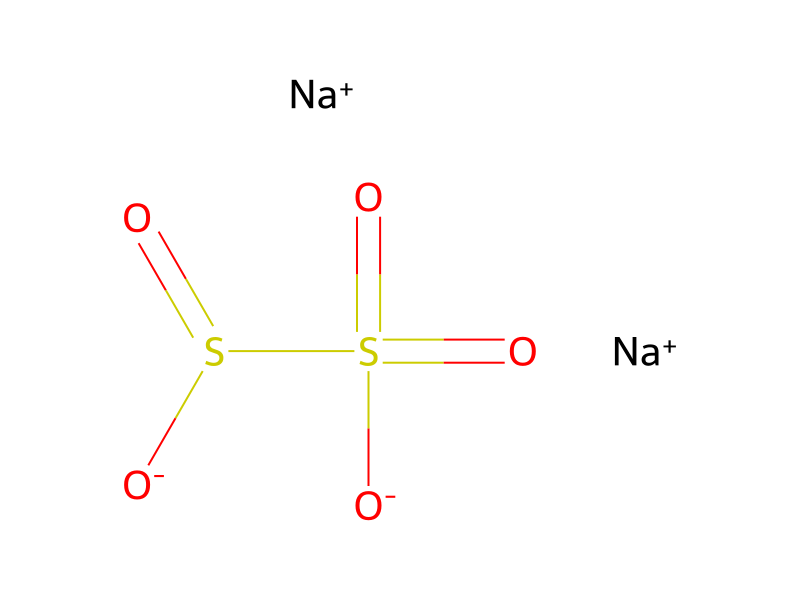
[CH3:1][C:2]([C:4](OC1[C@@]2(C)C(C)(C)[C@H](CC2)C1)=[O:5])=[CH2:3].CN(CCC[CH:23]=[C:24]([CH3:28])[C:25]([NH2:27])=[O:26])C.C(=O)(O)[O-].[Na+].S(S([O-])=O)([O-])(=O)=O.[Na+].[Na+].S(OOS([O-])(=O)=O)([O-])(=O)=O.[NH4+].[NH4+]>C(O)(C)C.O>[CH2:4]([O:5][CH2:28][C:24](=[CH2:23])[C:25]([NH2:27])=[O:26])[CH:2]([CH3:3])[CH3:1]Participants
Reactant 5



Product 1

Reagents, catalysts & solvents 2


Procedure
A solution of 80 g IBMA, 100 g AMD, and 20 g dimethylaminopropyl methacrylamide (DMAPMA) in 600 ml of isopropyl alcohol and 450 ml of water is heated to 60° C. Sodium bicarbonate (3.5 g) is added to buffer the pH followed by solutions of sodium metabisulfite and ammonium persulfate (each 5.0 g in 15 ml of water). The resulting exothermic reaction is controlled by a cooling bath as needed. After the exotherm has ceased, heating is applied to keep the reaction mixture at reflux temperature (83° C.) for 30 minute after which isopropanol is distilled off until the reaction temperature has reached 90° C. Water is removed by evaporation under reduced pressure to give a 45-50% solution of polymer. The reaction mixture is cooled and adjusted to pH7. The material obtained has an average molecular weight of 7,000 and a surface tension of 35 dynes/cm as a 1.0% aqueous solution.
Workup
- customThe resulting exothermic reaction
- customis controlled by a cooling bath
- temperatureheating
- distillationis distilled off until the reaction temperature
- customhas reached 90° C
- customWater is removed by evaporation under reduced pressure
Sources & evidence
- ORD record
- ord-b76b33c4ce484cc794a3843b7ccb201e
- Source dataset
- uspto-grants-1979_10
- Patent number
- US04171418
Reaction notes
Loading…