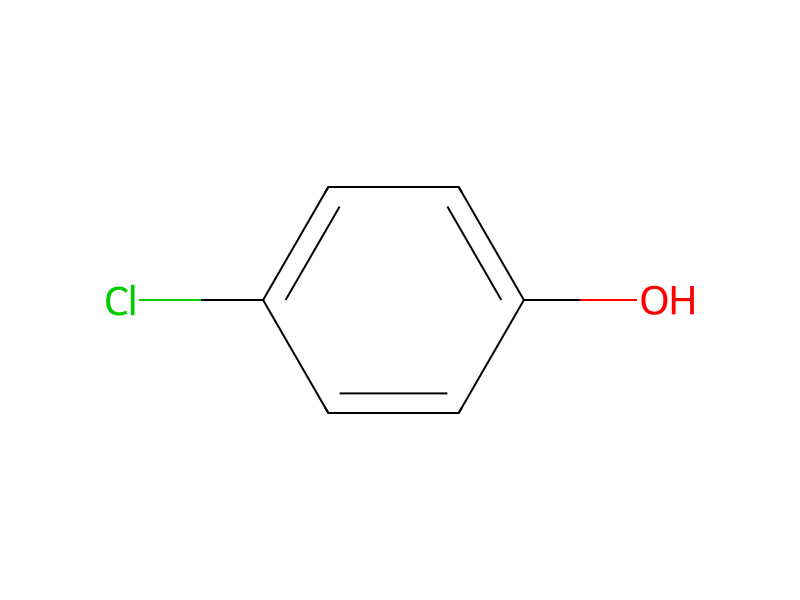
4-Chlorophenol → HCID 12698966, compound
Reaction equation

[CH:1]1[C:10]2[C:5](=[CH:6][CH:7]=[CH:8][CH:9]=2)[CH:4]=[CH:3][C:2]=1[CH:11]([OH:18])[CH2:12][N:13]1[CH:17]=[CH:16][N:15]=[CH:14]1.[Cl:19][C:20]1[CH:25]=[CH:24][C:23](O)=[CH:22][CH:21]=1.N(C(OCC)=O)=NC(OCC)=O.C1(P(C2C=CC=CC=2)C2C=CC=CC=2)C=CC=CC=1>O1CCCC1>[ClH:19].[CH:1]1[C:10]2[C:5](=[CH:6][CH:7]=[CH:8][CH:9]=2)[CH:4]=[CH:3][C:2]=1[CH:11]([O:18][C:23]1[CH:24]=[CH:25][C:20]([Cl:19])=[CH:21][CH:22]=1)[CH2:12][N:13]1[CH:17]=[CH:16][N:15]=[CH:14]1Participants
6





Procedure
To a mixture of 1.00 g of 1-[2-(2-naphthyl)-2-hydroxyethyl]imidazole, 0.81 g of p-chlorophenol and 0.92 g of diethyl azodicarboxylate in 20 ml. of dry tetrahydrofuran at room temperature was added 1.65 g of triphenylphosphine (with stirring). The resulting yellow solution was stirred overnight, the solvent evaporated and the residual oil dissolved in ether. The hydrochloride salt of the product was precipitated as a gum by dropwise addition of ethereal hydrogen chloride, and crystallized from ethyl acetate to give 1[2-(2-naphthyl)-2-(4-chlorophenoxy)ethyl]imidazole hydrochloride.
Workup
- customthe solvent evaporated
- dissolutionthe residual oil dissolved in ether
- customThe hydrochloride salt of the product was precipitated as a gum by dropwise addition of ethereal hydrogen chloride
- customcrystallized from ethyl acetate
Sources & evidence
- ORD record
- ord-5eb8d8eeaca044c486e6554cd3dc5432
- Source dataset
- uspto-grants-1979_10
- Patent number
- US04172141
Reaction notes
Loading…