Hydrochloric Acid → methyl N-[5-(3-chloro-1-butynyl)-2-fluorobenzyl]carbamate
Reaction equation

[F:1][C:2]1[CH:13]=[CH:12][C:11]([C:14]#[C:15][CH:16](O)[CH3:17])=[CH:10][C:3]=1[CH2:4][NH:5][C:6](=[O:9])[O:7][CH3:8].[Cl-:19].[Ca+2].[Cl-].Cl.[Cl-].[Na+]>C1(C)C=CC=CC=1.[Cu]I.[Cu]>[Cl:19][CH:16]([CH3:17])[C:15]#[C:14][C:11]1[CH:12]=[CH:13][C:2]([F:1])=[C:3]([CH:10]=1)[CH2:4][NH:5][C:6](=[O:9])[O:7][CH3:8]Participants
8
Reactant 4



Product 1

Reagents, catalysts & solvents 3



Conditions
- Temperature
- 0 °C
Procedure
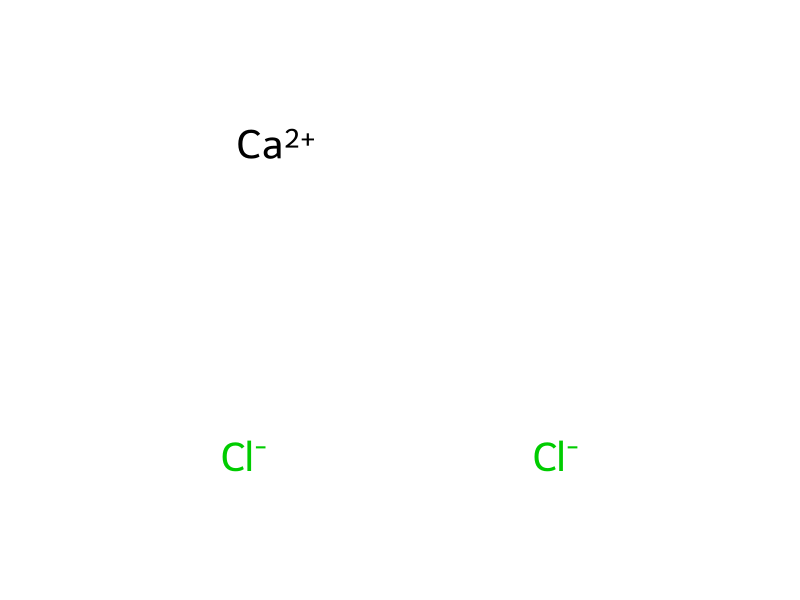
0.53 g of methyl N-[2-fluoro-5-(3-hydroxy-1-butynyl)benzyl]carbamate was dissolved in 10 ml of toluene. This solution was added at 0° C. to a mixture comprising 0.11 g of calcium chloride, 0.08 g of copper(I) iodide, 0.01 g of copper and 10 ml of concentrated hydrochloric acid, followed by stirring at 0° C. for 5 hours. The reaction solution was poured into a saturated sodium chloride aqueous solution and extracted with ethyl acetate, followed by drying over anhydrous magnesium sulfate. The solvent was distilled off under reduced pressure, and the residue was purified by silica gel column chromatography to obtain 0.25 g of methyl N-[5-(3-chloro-1-butynyl)-2-fluorobenzyl]carbamate as white crystals.
Workup
- extractionextracted with ethyl acetate
- dry with materialby drying over anhydrous magnesium sulfate
- distillationThe solvent was distilled off under reduced pressure
- customthe residue was purified by silica gel column chromatography
Sources & evidence
- ORD record
- ord-5744cf4e448049e3bad126530373b7cb
- Source dataset
- uspto-grants-2001_11
- Patent number
- US06313071B1
Reaction notes
Loading…