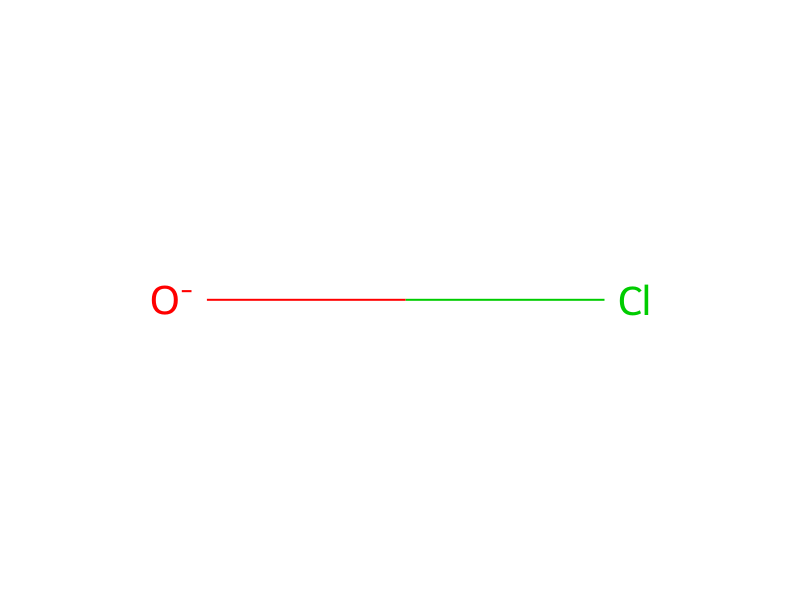
Hydrochloric Acid → HCID 18316935, compound
Reaction equation

Cl[O-].[F:3][C:4]([F:16])([F:15])[CH2:5][N:6]1[CH:11]2[CH2:12][CH2:13][CH:7]1[CH2:8][C:9](=[O:14])[CH2:10]2.Cl.[C-:18]#[N:19].[K+]>O.C(OCC)C>[C:18]([C:9]1([OH:14])[CH2:8][CH:7]2[N:6]([CH2:5][C:4]([F:3])([F:15])[F:16])[CH:11]([CH2:12][CH2:13]2)[CH2:10]1)#[N:19]Participants
Reactant 4



Product 1

Reagents, catalysts & solvents 2


Conditions
- Temperature
- 0 °C
Procedure
A 500 ml 3-necked round bottom flask was equipped with a large magnetic stirrer, thermometer and hypochlorite scrubber. 8-(2,2,2-Trifluoroethyl)-8-azabicyclo[3.2.1]octan-3-one (10.56 g, 50 mmol) was charged to the reaction flask followed by hydrochloric acid (5M, 100 ml) and the mixture was cooled to 0° C. Diethyl ether (71 g) was added and the mixture stirred for 5 minutes after which potassium cyanide (36.9 g, 550 mmol) was charged to the stirred reaction mixture portionwise over 0.5 hour. After complete addition, the resultant pink mixture was stirred for 3 hour at about 3° C. The pH of the mixture was adjusted to pH5 with hydrochloric acid (5M), water (50 ml) was added and the organic layer separated. The aqueous phase was extracted with diethyl ether (2×100 ml), and the combined organic extracts dried (Na2SO4) to leave a solution of 3-cyano-3-hydroxy-8-(2,2,2-trifluoroethyl)-8-azabicyclo[3.2.1]octane in diethyl ether (328 ml). A sample of this solution (45 ml) was used directly in Step 2.
Workup
- customA 500 ml 3-necked round bottom flask was equipped with a large magnetic stirrer
- additionwas charged to the stirred reaction mixture portionwise over 0.5 hour
- additionAfter complete addition
- additionwas added
- customthe organic layer separated
- extractionThe aqueous phase was extracted with diethyl ether (2×100 ml)
- dry with materialthe combined organic extracts dried (Na2SO4)
Sources & evidence
- ORD record
- ord-4c3b79591bda460b9d09a4a7bbc56d03
- Source dataset
- uspto-grants-2001_11
- Patent number
- US06323343B1
Reaction notes
Loading…