Ammonia → N-(Trimethylsilyl)benzenesulfonamide
Reaction equation

[CH3:1][Si:2]([CH3:9])([CH3:8])[NH:3][Si](C)(C)C.[C:10]1([S:16](N)(=[O:18])=[O:17])[CH:15]=[CH:14][CH:13]=[CH:12][CH:11]=1.S1(C2C(=CC=CC=2)C(=O)N1)(=O)=O.N.OS(O)(=O)=O>C(OCC)(=O)C.O>[CH3:1][Si:2]([CH3:9])([CH3:8])[NH:3][S:16]([C:10]1[CH:15]=[CH:14][CH:13]=[CH:12][CH:11]=1)(=[O:18])=[O:17]Participants
8






Procedure
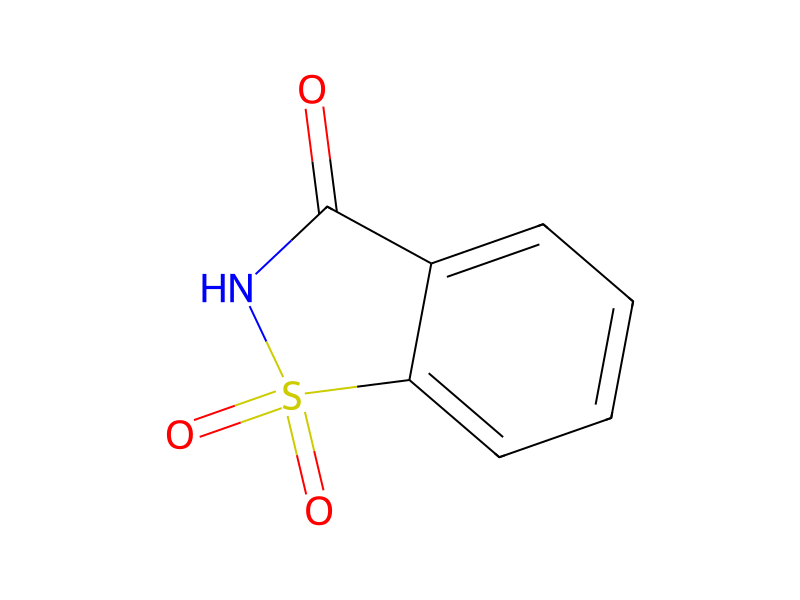
15.6 ml of hexamethyldisilazane (75 mmoles) were added to a refluxing suspension of 15.72 g (0.1 mole) of benzenesulfonamide and 18 mg (0.1 mmole) of saccharin in 45 ml of ethyl acetate under nitrogen and the nitrogen was passed through water to determine the amount of ammonia evolved. By titrating with 1 N H2SO4, it was found that the calculated amount of ammonia was set free in 25 minutes and the residue of N-trimethylsilylbenzensulfonamide obtained after evaporating the volatile materials in vacuo melted at 62°-63° C.
Sources & evidence
- ORD record
- ord-724b127224144fe9a370dd271eec24ce
- Source dataset
- uspto-grants-1983_08
- Patent number
- US04400509
Reaction notes
Loading…