Hydrochloric Acid → Styrene Oxide
Reaction equation

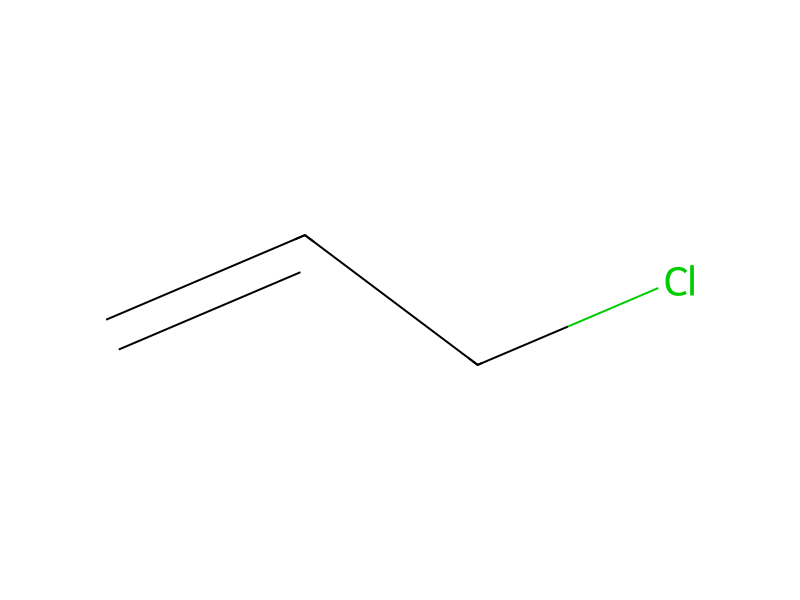
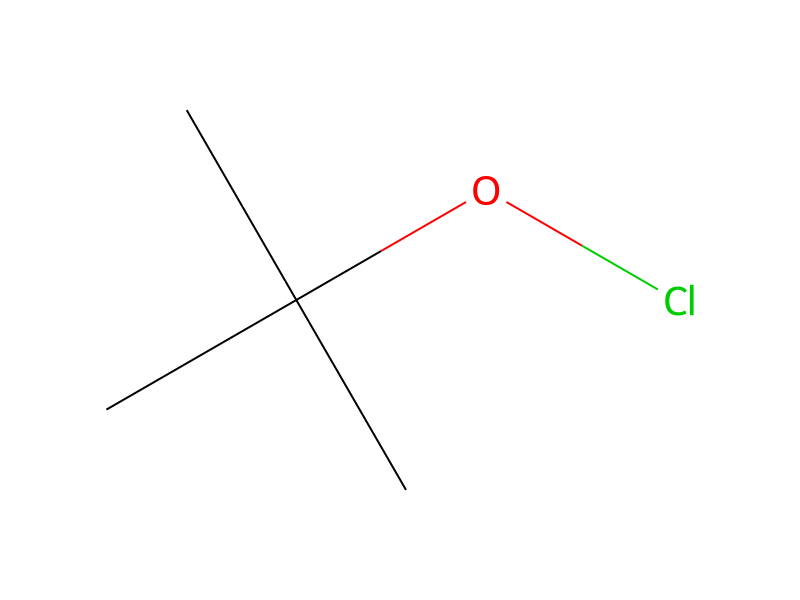
[CH2:1]=[CH:2][C:3]1[CH:8]=[CH:7][CH:6]=[CH:5][CH:4]=1.C1(C=CC(O)=CC=1)[OH:10].ClOC(C)(C)C.ClCl.Cl.C(Cl)C=C>>[CH2:1]1[O:10][CH:2]1[C:3]1[CH:8]=[CH:7][CH:6]=[CH:5][CH:4]=1Participants
7





Procedure
The reaction given in the above example was repeated with styrene in the presence of 0.1 g. of hydroquinone stabilizer. The styrene charged was 49.3 cc (44.8 g., 430 mmole). The t-butyl hypochlorite charged was 48.0 cc (45.0 g., 408 meq. active chlorine), and the total reaction time was three hours. A trace of hydrochloric acid was found in the aqueous product layer. The product pattern in the organic layer was similar to that observed in the allyl chloride reaction. Saponification, as in Example 5, of the organic layer produced styrene oxide.
Sources & evidence
- ORD record
- ord-e939ede6bbcb4c0b8e4fee7c3d5b91f8
- Source dataset
- uspto-grants-1977_02
- Patent number
- US04008133
Reaction notes
Loading…