Hydrochloric Acid → Ethyl isobutyrylacetate
Reaction equation

[CH:1]([C:4]([CH3:6])=[O:5])([CH3:3])[CH3:2].[C:7](=O)([O:11]CC)[O:8][CH2:9][CH3:10].[H-].[Na+].Cl>C1C=CC=CC=1.CO.CN(C)P(=O)(N(C)C)N(C)C>[CH2:9]([O:8][C:7](=[O:11])[CH2:6][C:4](=[O:5])[CH:1]([CH3:3])[CH3:2])[CH3:10]Participants

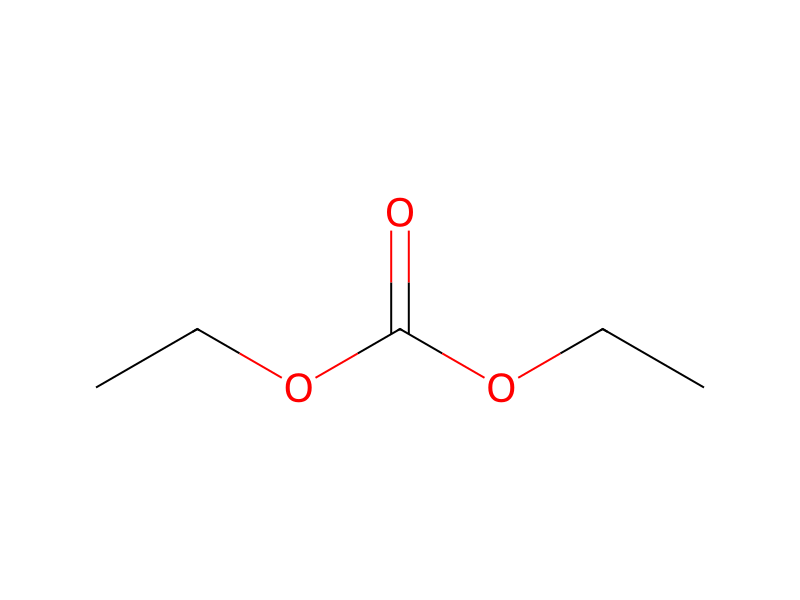






Conditions
- Temperature
- 30 °C
Procedure
10 g of methyl isopropyl ketone were added to a solution of 400 cc of benzene, 850 cc of diethyl carbonate, 200 cc of hexamethyl phosphoric acid triamide and 60 g of sodium hydride (80% in paraffin oil), and the reaction mixture was heated to 70° to 80° C. After the reaction had started, the reaction mixture was cooled to approximately 30° C, and a solution of 76 g of methyl isopropyl ketone in 200 cc of benzene was added dropwise over a period of 2 hours at that temperature. After the reaction mixture had stood overnight, methanol was carefully added to it with cooling, followed by acidification with aqueous hydrochloric acid. The reaction mixture was then treated as described in Example 1.1. The yield was 81% of 3-keto-4-methyl valeric acid ethyl ester.
Workup
- temperaturethe reaction mixture was heated to 70° to 80° C
- temperaturewith cooling
- additionThe reaction mixture was then treated
Sources & evidence
- ORD record
- ord-536ef0988e1247c9b8ba504ce7cde6ea
- Source dataset
- uspto-grants-1977_06
- Patent number
- US04031130
Reaction notes
Loading…