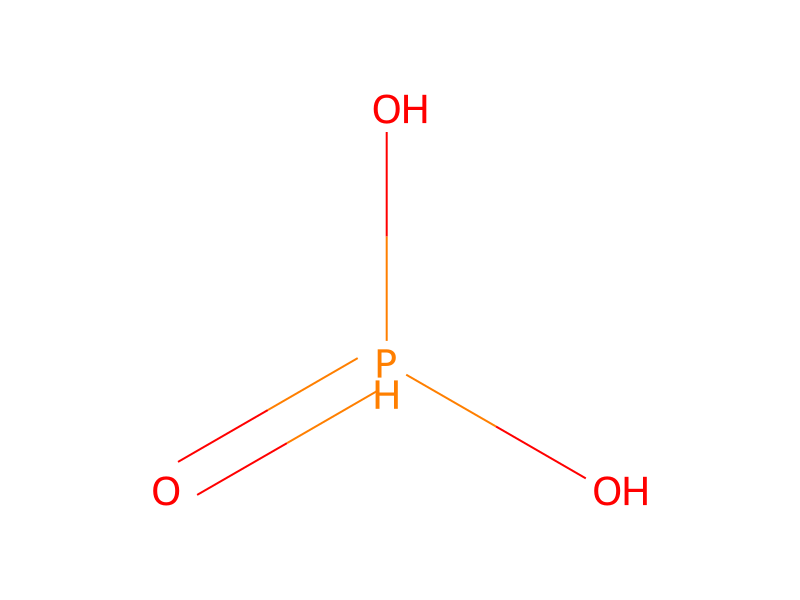
CID 406 → Phosphonic acid
Reaction equation

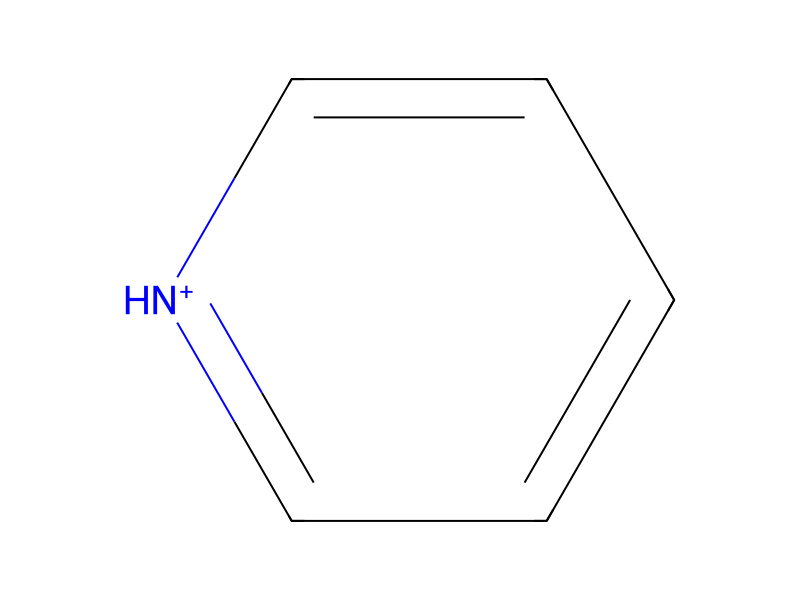
[NH2:1][CH2:2][P:3](=[O:6])([OH:5])[OH:4].[C:7](Cl)(C1C=CC=CC=1)([C:14]1C=CC=CC=1)[C:8]1C=CC=C[CH:9]=1.P(=O)([O-])[O-].C([NH+](CC)CC)C.CNC.N=C=N.C1CCC(N=C=NC2CCCCC2)CC1.Cl.[NH+]1C=CC=CC=1>C(Cl)(Cl)Cl.O.CO.C(N(CC)CC)C>[PH:3](=[O:4])([OH:6])[OH:5].[NH+:1]1[CH:2]=[CH:9][CH:8]=[CH:7][CH:14]=1Participants
Reactant 8




Product 2
Reagents, catalysts & solvents 4




Procedure
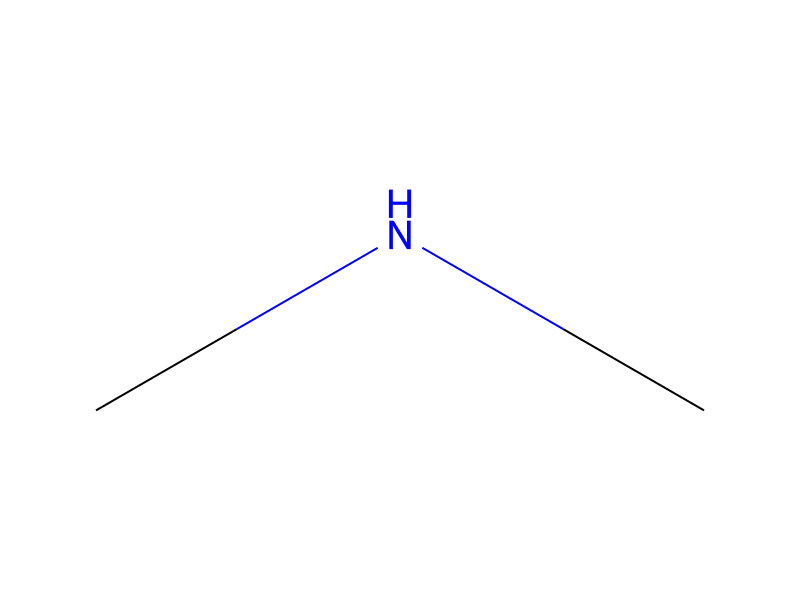
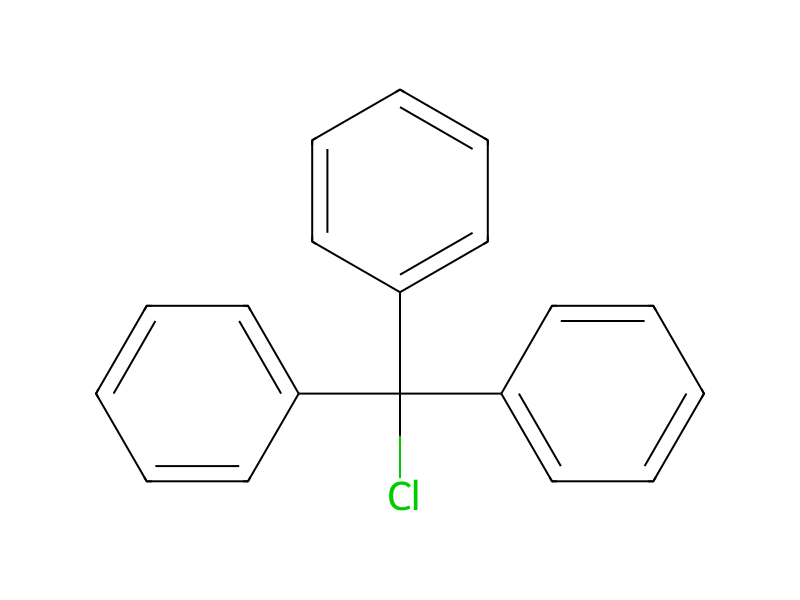
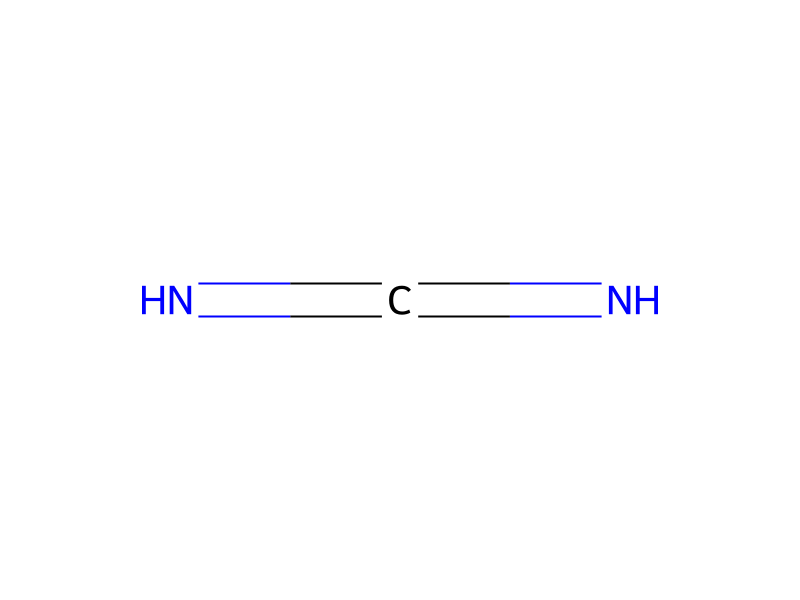
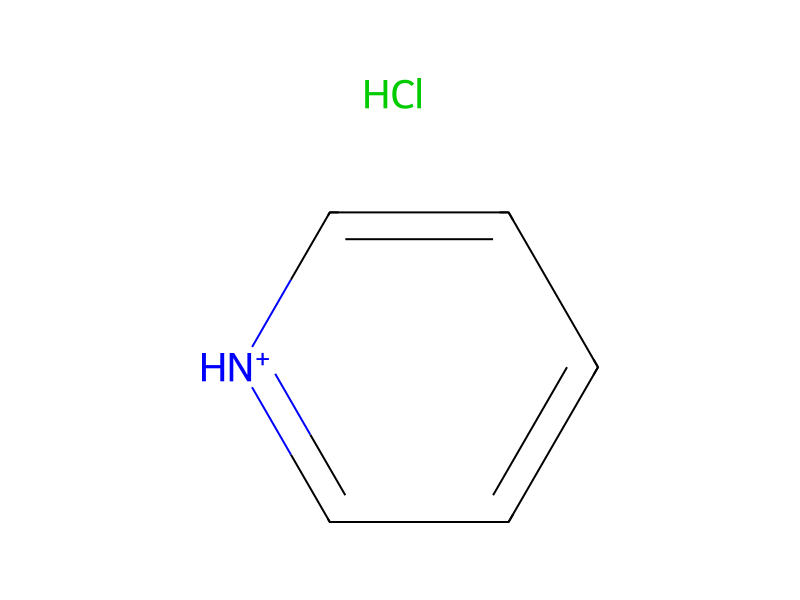
Aminomethylphosphonic acid (Aldrich Chem. Co.) is reacted with trityl chloride in the presence of triethylamine. The dianionic phosphonate product, where the counter ions are triethylammonium, is mixed with an excess of reagent suitable for adding the desired pendant X moiety (e.g., addition of methanol gives X=methoxy, and addition of dimethylamine gives X=N(CH3)2) and then a carbodiimide, such as dicyclohexylcarboiimide (DCC), is added. The resultant monoanionic product is shaken with a mixture of water and chloroform containing pyridinium hydrochloride. This procedure gives a monoionic phosphonic acid having a pyridinium counter ion. This product is added to chloroform containing N4-Benzoylcytidine-2',3'-phenylboronate and DCC is added. The product is dried and chromatographed on silica using methanol/chloroform mixtures. The pure product is next treated with 1,3-dihydroxypropane to give Structure 2 of FIG. 12, and a portion is further treated with acetic acid in trifluoroethanol.
Workup
- additionis mixed with an excess of reagent suitable
- additionfor adding the desired
Sources & evidence
- ORD record
- ord-943239a438fc4585b6d9a73dd55b7ded
- Source dataset
- uspto-grants-1996_05
- Patent number
- US05521063
Reaction notes
Loading…