Sodium hydride → 7-(5-Bromo-2-chloropyrimidin-4-yloxy)quinoline
Reaction equation

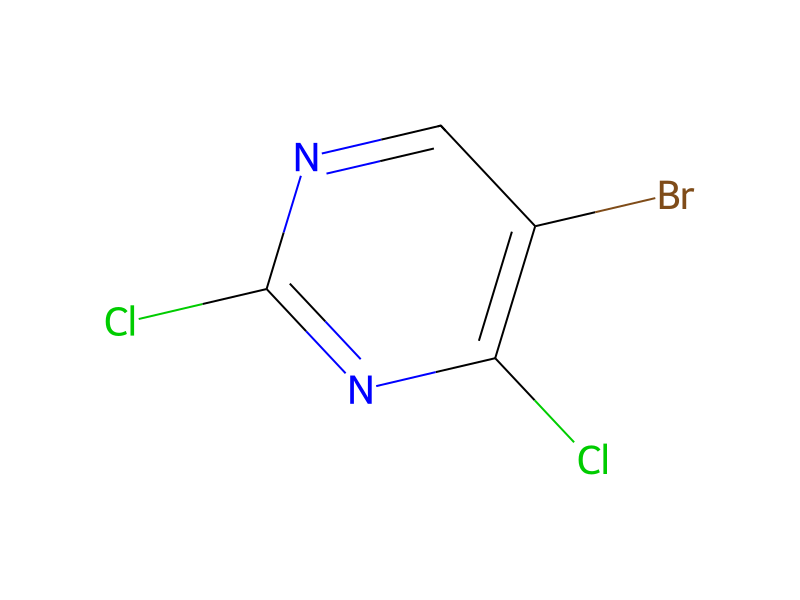
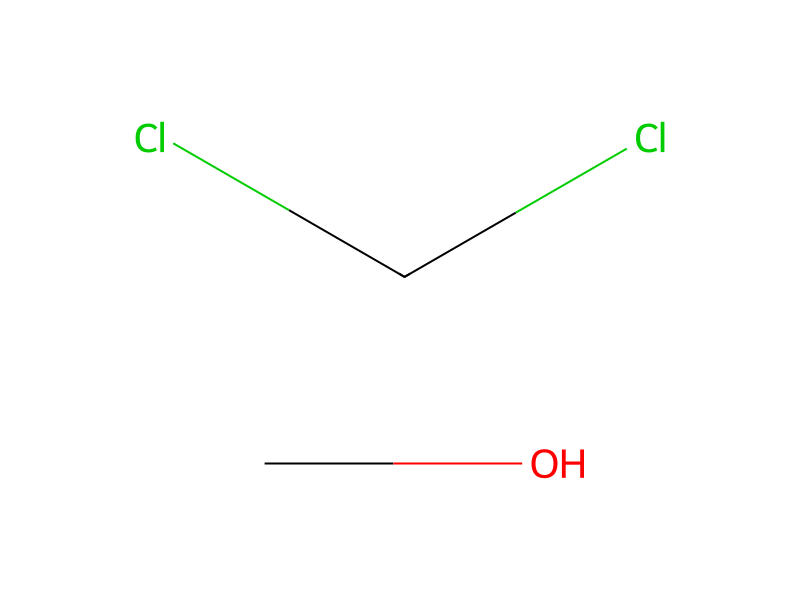
[N:1]1[C:10]2[C:5](=[CH:6][CH:7]=[C:8]([OH:11])[CH:9]=2)[CH:4]=[CH:3][CH:2]=1.[H-].[Na+].[Br:14][C:15]1[C:16](Cl)=[N:17][C:18]([Cl:21])=[N:19][CH:20]=1>CN(C)C=O.ClCCl.CO>[Br:14][C:15]1[C:16]([O:11][C:8]2[CH:9]=[C:10]3[C:5]([CH:4]=[CH:3][CH:2]=[N:1]3)=[CH:6][CH:7]=2)=[N:17][C:18]([Cl:21])=[N:19][CH:20]=1Participants
6




Procedure
In a 4 mL vial was charged with quinolin-7-ol (0.200 g, 1.378 mmol) and sodium hydride (0.066 g, 1.653 mmol) in N,N-dimethylformamide (13.78 ml) to give a brown solution. The reaction was stirred at room temperature for 30 minutes and then 5-bromo-2,4-dichloropyrimidine (0.176 mL, 1.378 mmol) was added. The mixture was stirred at room temperature overnight. Diluted with 9:1 dichloromethane/methanol; washed with water and brine. The organic layer was dried over magnesium sulfate, filtered, and the solvent was removed under reduced pressure to afford a tan residue. (ESI(+)) m/e 337.7 (M+H)+.
Workup
- customto give a brown solution
- stirringThe mixture was stirred at room temperature overnight
- washwashed with water and brine
- dry with materialThe organic layer was dried over magnesium sulfate
- filtrationfiltered
- customthe solvent was removed under reduced pressure
- customto afford a tan residue
Sources & evidence
- ORD record
- ord-39bd615cf9064c51b243086498594065
- Source dataset
- uspto-grants-2013_07
- Patent number
- US08486933B2
Reaction notes
Loading…