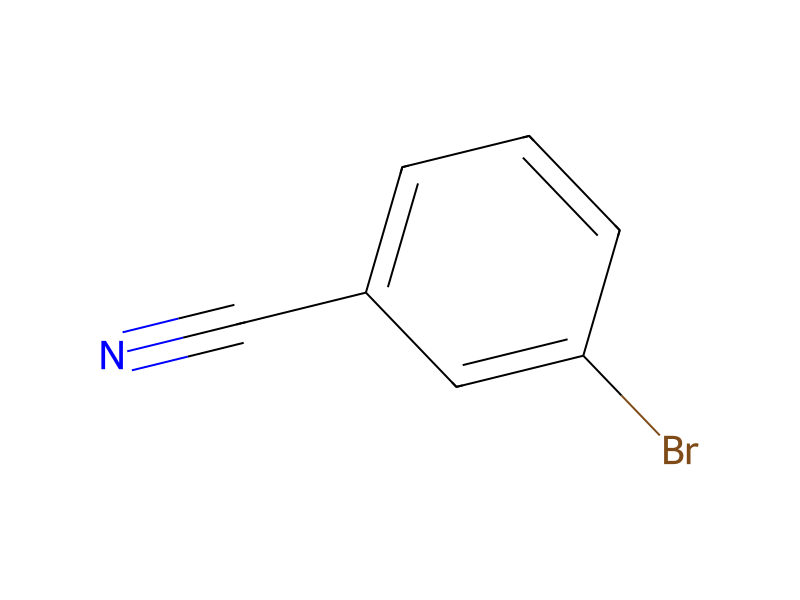
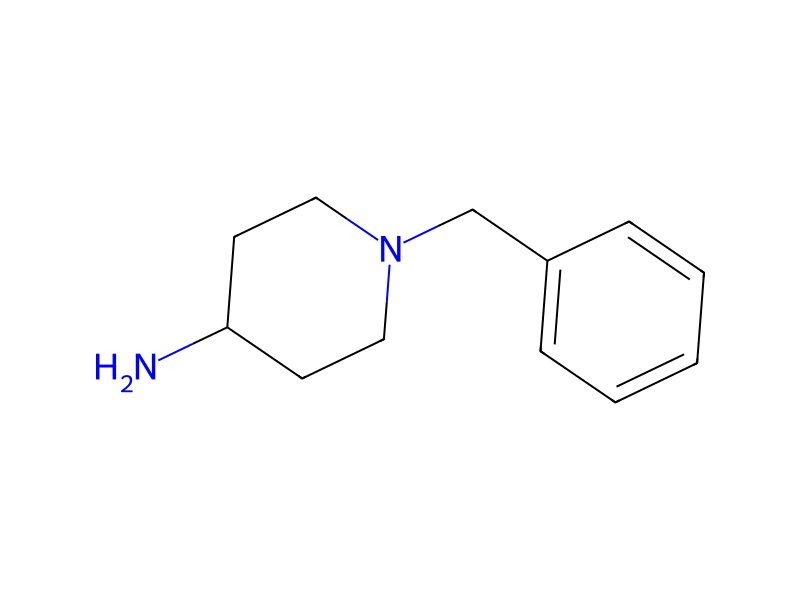
3-Bromobenzonitrile → 3-[(1-Benzyl-piperidin-4-yl)-(4-diisopropylcarbamoyl-phenyl)-amino]benzamide
Reaction equation

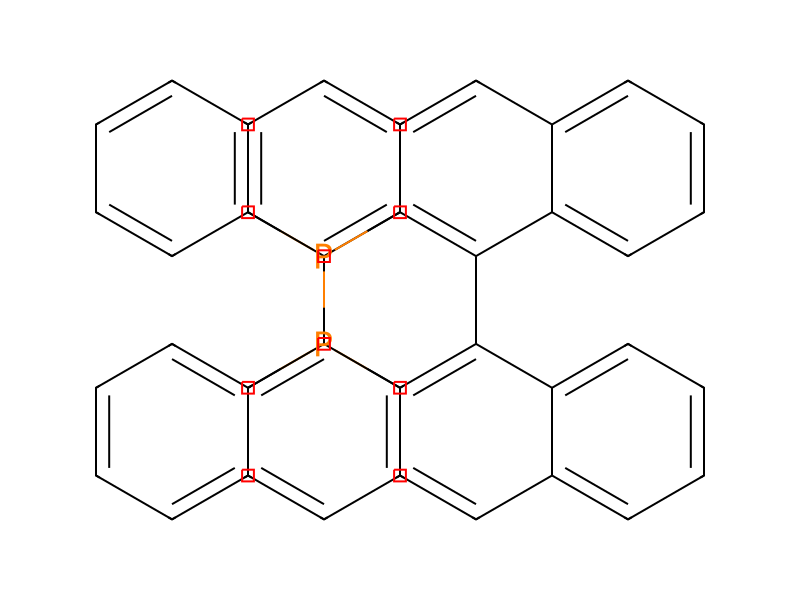
Br[C:2]1[CH:3]=[C:4]([CH:7]=[CH:8][CH:9]=1)[C:5]#[N:6].[NH2:10][CH:11]1[CH2:16][CH2:15][N:14]([CH2:17][C:18]2[CH:23]=[CH:22][CH:21]=[CH:20][CH:19]=2)[CH2:13][CH2:12]1.C1C=CC(P(C2C(C3C(P(C4C=CC=CC=4)C4C=CC=CC=4)=CC=C4C=3C=CC=C4)=C3C(C=CC=C3)=CC=2)C2C=CC=CC=2)=CC=1.CC(C)([O-:73])C.[Na+].[CH:76]([N:79]([CH:89]([CH3:91])[CH3:90])[C:80](=[O:88])[C:81]1[CH:86]=[CH:85][C:84](Br)=[CH:83][CH:82]=1)([CH3:78])[CH3:77]>C1(C)C=CC=CC=1.C(OCC)(=O)C.O.C1C=CC(/C=C/C(/C=C/C2C=CC=CC=2)=O)=CC=1.C1C=CC(/C=C/C(/C=C/C2C=CC=CC=2)=O)=CC=1.C1C=CC(/C=C/C(/C=C/C2C=CC=CC=2)=O)=CC=1.[Pd].[Pd].C(#N)C>[CH2:17]([N:14]1[CH2:15][CH2:16][CH:11]([N:10]([C:84]2[CH:85]=[CH:86][C:81]([C:80](=[O:88])[N:79]([CH:89]([CH3:91])[CH3:90])[CH:76]([CH3:78])[CH3:77])=[CH:82][CH:83]=2)[C:2]2[CH:3]=[C:4]([CH:7]=[CH:8][CH:9]=2)[C:5]([NH2:6])=[O:73])[CH2:12][CH2:13]1)[C:18]1[CH:23]=[CH:22][CH:21]=[CH:20][CH:19]=1Participants
Reactant 5


Product 1

Reagents, catalysts & solvents 5





Conditions
- Temperature
- 80 °C
Procedure
To a solution of 1.07 g of 3-bromobenzonitrile (5.88 mmol) in 15 ml dry toluene was added 1.2 mL of 4-amino-N-benzyl piperidine (5.89 mmol), 293 mg racemic BINAP (0.47 mmol), 215 mg tris(dibenzylideneacetone)dipalladium(0) (0.23 mmol) and 790 mg sodium tert butoxide (8.23 mmol). The reaction was heated at 80° C. under a nitrogen atmosphere for 4 hours. The reaction was cooled to room temperature and 2.34 g of N,N-diisopropyl-4-bromobenzamide (8.24 mmol) and 790 mg of sodium tert butoxide (8.23 mmol) were added and the reaction heated to reflux. After 20 hours the solution was cooled to room temperature and the reaction diluted with ethyl acetate (50 ml) and water (30 ml) was added, filtered through celite and then the organic layer was separated, dried (MgSO4), filtered and concentrated. The residue was purified by flash chromatography, eluting 2% dichloromethane in methanol rising to 5% methanol in dichloromethane. The residue was repurified by flash chromatography, eluting 10% hexanes 90% ethyl acetate to yield an orange foam (2.20 g, 4.45 mmol; 76%). The material was found to be >94% pure by HPLC (LUNA 30–80% acetonitrile).
Workup
- temperatureThe reaction was cooled to room temperature
- temperaturethe reaction heated to reflux
- temperatureAfter 20 hours the solution was cooled to room temperature
- additionwas added
- filtrationfiltered through celite
- customthe organic layer was separated
- dry with materialdried (MgSO4)
- filtrationfiltered
- concentrationconcentrated
- customThe residue was purified by flash chromatography
- washeluting 2% dichloromethane in methanol rising to 5% methanol in dichloromethane
- customThe residue was repurified by flash chromatography
- washeluting 10% hexanes 90% ethyl acetate
- customto yield an orange foam (2.20 g, 4.45 mmol; 76%)
Sources & evidence
- ORD record
- ord-8984dbd76a35438ebe8e1d3ef83f7b27
- Source dataset
- uspto-grants-2007_03
- Patent number
- US07186733B2
Reaction notes
Loading…