1-(4-Fluorophenyl)piperazine → HCID 13073853, compound
Reaction equation

[F:1][C:2]1[CH:7]=[CH:6][C:5]([N:8]2[CH2:13][CH2:12][NH:11][CH2:10][CH2:9]2)=[CH:4][CH:3]=1.[CH:14]1([CH2:17][Cl:18])[CH2:16][CH2:15]1.C(=O)(O)[O-].[Na+]>C(O)C>[ClH:18].[ClH:18].[CH:14]1([CH2:17][N:11]2[CH2:12][CH2:13][N:8]([C:5]3[CH:4]=[CH:3][C:2]([F:1])=[CH:7][CH:6]=3)[CH2:9][CH2:10]2)[CH2:16][CH2:15]1Participants
5
Reactant 3

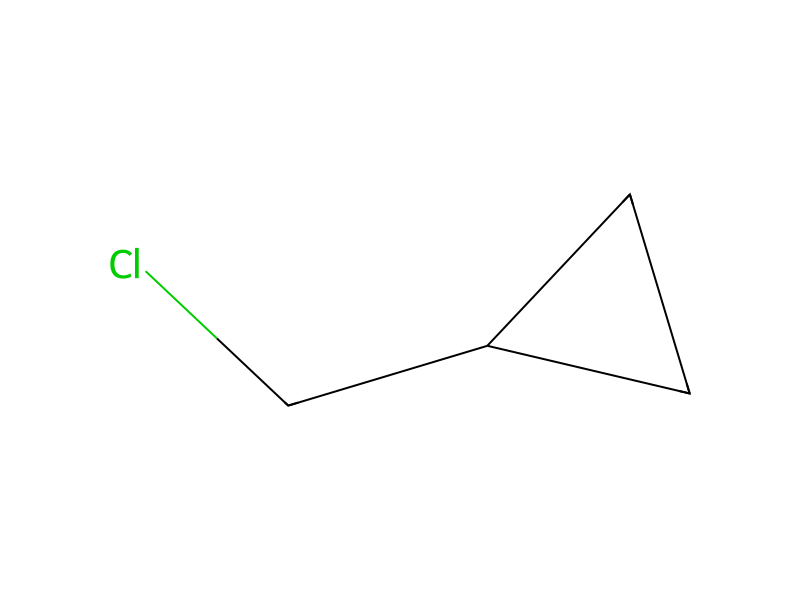

Product 1

Reagents, catalysts & solvents 1

Procedure
To 50 ml of ethanol, are added 3.6 g (0.02 mole) of 1-(4-fluorophenyl)piperazine, 2.0 g (0.022 mole) of cyclopropylmethyl chloride, and 1.9 g (0.023 mole) of sodium bicarbonate. The mixture is kept refluxing for 7 hours while being stirred. After having been cooled, the reaction mixture is freed from inorganic matters by filtration and the filtrate is concentrated in vacuo. The residue is dissolved in diethyl ether and gaseous hydrogen chloride is introduced into the solution, while being cooled, to precipitate crystals which are collected by filtration. Upon recrystallization from ethanol there are obtained 4.7 g (77% yield) of 1-(cyclopropylmethyl)-4-(4-fluorophenyl)piperazine dihydrochloride melting at 153°-154° C.
Workup
- temperatureThe mixture is kept refluxing for 7 hours
- temperatureAfter having been cooled
- filtrationthe reaction mixture is freed from inorganic matters by filtration
- concentrationthe filtrate is concentrated in vacuo
- dissolutionThe residue is dissolved in diethyl ether
- additiongaseous hydrogen chloride is introduced into the solution
- temperaturewhile being cooled
- customto precipitate crystals which
- filtrationare collected by filtration
- customUpon recrystallization from ethanol
Sources & evidence
- ORD record
- ord-29c73aadd0bd43c9a8f078aab1435bb0
- Source dataset
- uspto-grants-1985_05
- Patent number
- US04518712
Reaction notes
Loading…