Ammonia → L-Phenylalanine
Reaction equation

S(=O)(O)[O-].[Na+].[C:6]1([CH2:12][CH:13]=O)[CH:11]=[CH:10][CH:9]=[CH:8][CH:7]=1.[C-]#[N:16].[Na+].[C:18](=[O:21])([O-])[O-:19].[NH4+].[NH4+].N>O>[NH2:16][C@H:13]([C:18]([OH:19])=[O:21])[CH2:12][C:6]1[CH:7]=[CH:8][CH:9]=[CH:10][CH:11]=1Participants
7
Reactant 5

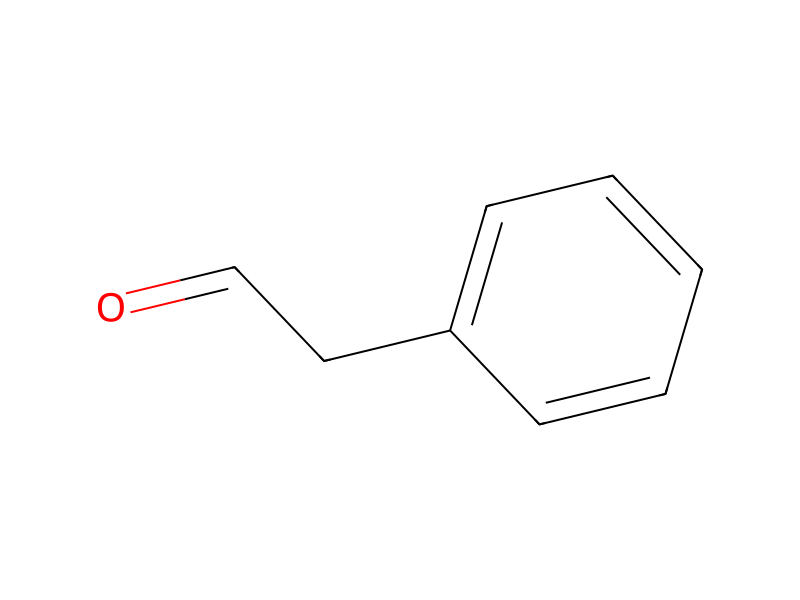
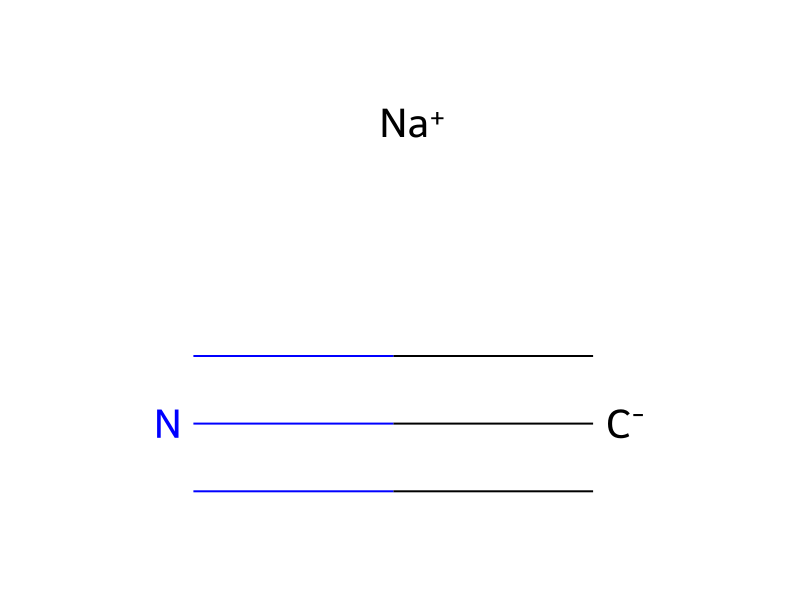

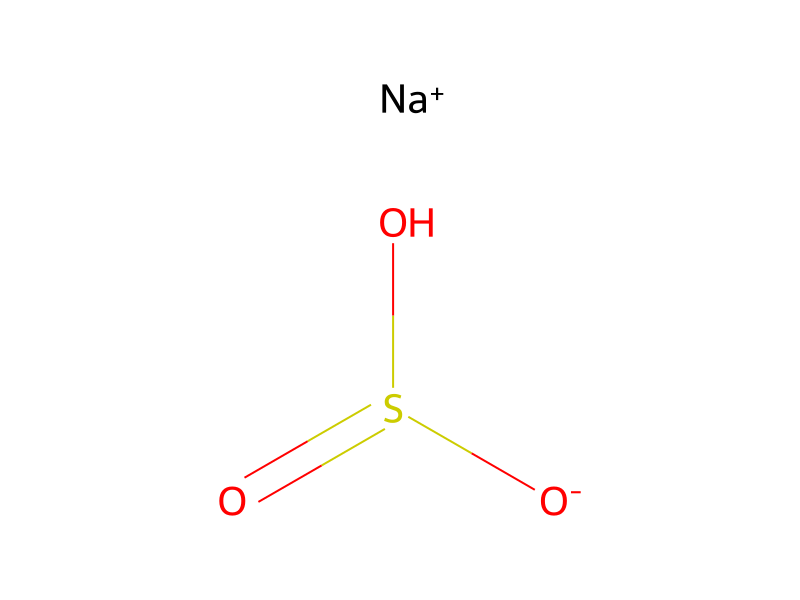
Product 1
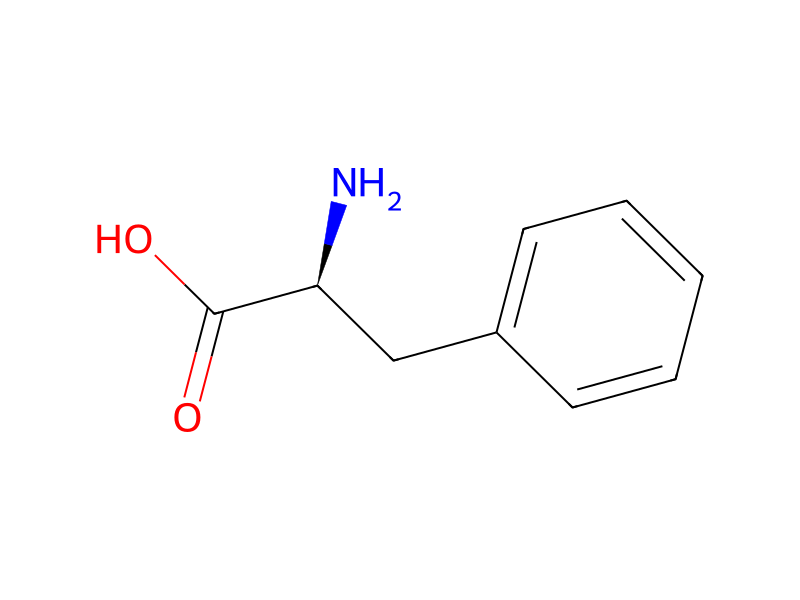
Reagents, catalysts & solvents 1

Procedure
The same reaction procedure as in Example 2 was carried out using 6.72 kg of sodium bisulfite addition salt of phenylacetaldehyde, 1.76 kg of sodium cyanide, 3.46 kg of ammonium carbonate, 22 l of aqueous ammonia and 19 l of water to give 5.02 kg of phenylalanine crystals. The phenylalanine content of the thus obtained crystals was 95%. (The yield of phenylalanine calculated based on the amount of a sodium bisulfite addition salt of phenylacetaldehyde; 96.3%).
Workup
- customThe same reaction procedure as in Example 2
Sources & evidence
- ORD record
- ord-b7137549775643ceaa0f67b3d42cd7da
- Source dataset
- uspto-grants-1985_10
- Patent number
- US04549028
Reaction notes
Loading…