Ammonia → L-Phenylalanine
Reaction equation

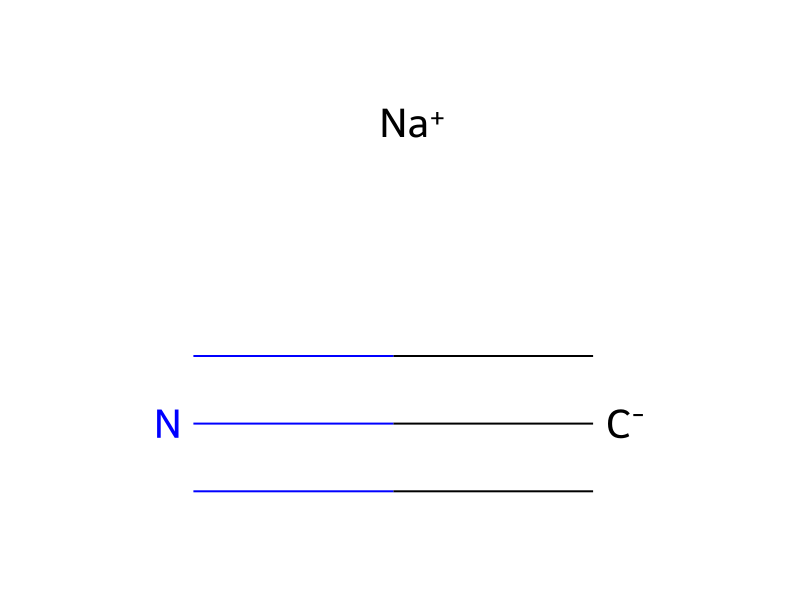
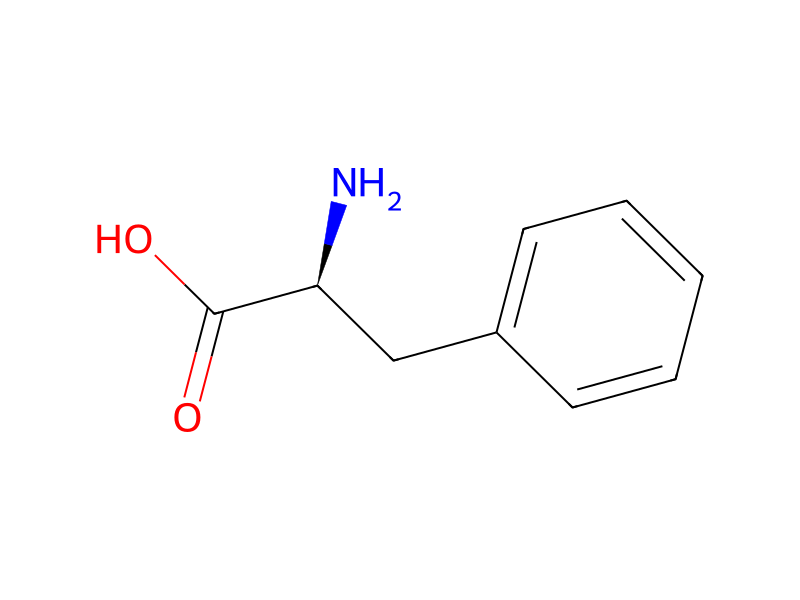
S(=O)(O)[O-].[K+].[C:6]1([CH2:12][CH:13]=O)[CH:11]=[CH:10][CH:9]=[CH:8][CH:7]=1.[C-]#[N:16].[Na+].[C:18](=[O:21])([O-])[O-:19].[NH4+].[NH4+].N>O.CO>[NH2:16][C@H:13]([C:18]([OH:19])=[O:21])[CH2:12][C:6]1[CH:7]=[CH:8][CH:9]=[CH:10][CH:11]=1Participants
8
Reactant 5

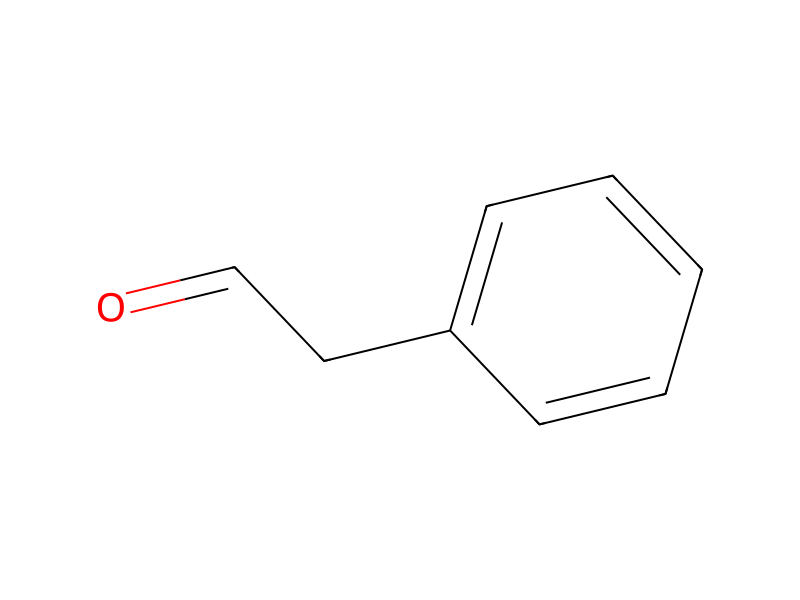


Product 1
Reagents, catalysts & solvents 2


Procedure
In a 100 l-volume hasteroi-made autoclave was placed 7.2 kg (30 moles) of a potassium bisulfite addition salt of phenylacetaldehyde, 1.76 kg (35.9 moles) of sodium cyanide, 4.32 kg (45 mole) of ammonium carbonate, 6 l (90 mole) of a 25% aqueous ammonia, 9 l of methanol and 24 l of water and the mixture was reacted at 100° C. for 2 hours to obtain precursors of phenylalanine. After the ammonia and methanol were removed by heating the reaction solution, the hydrolysis was carried out at 150° C. for 1.0 hour using 4.8 kg (120 moles) of caustic soda.
Workup
- customthe mixture was reacted at 100° C. for 2 hours
Sources & evidence
- ORD record
- ord-5ed97fdd202f42ffa05e2d7fc2adfb18
- Source dataset
- uspto-grants-1985_10
- Patent number
- US04549028
Reaction notes
Loading…