Trifluoroacetic acid → HCID 178445918, compound
Reaction equation

C(OC([NH:11][C@@H:12]([C:24]([OH:26])=O)[CH2:13][C:14]1[C:23]2[C:18](=[CH:19][CH:20]=[CH:21][CH:22]=2)[CH:17]=[CH:16][CH:15]=1)=O)C1C=CC=CC=1.[N+](C1C=C([N+]([O-])=O)C=CC=1[NH:39][C@H:40]([C:47]([NH:49][C@H:50]([CH2:55][OH:56])[CH2:51][CH:52]([CH3:54])[CH3:53])=[O:48])[CH2:41][C:42]1[N:46]=[CH:45][NH:44][CH:43]=1)([O-])=O.FC(F)(F)[C:59]([OH:61])=[O:60].[C:64]1(OC)[CH:69]=[CH:68][CH:67]=[CH:66][CH:65]=1.[CH3:72]N1CCOCC1>>[CH2:72]([O:61][C:59]([NH:11][C@@H:12]([C:24]([NH:39][C@H:40]([C:47]([NH:49][C@H:50]([CH2:55][OH:56])[CH2:51][CH:52]([CH3:53])[CH3:54])=[O:48])[CH2:41][C:42]1[N:46]=[CH:45][NH:44][CH:43]=1)=[O:26])[CH2:13][C:14]1[C:23]2[C:18](=[CH:19][CH:20]=[CH:21][CH:22]=2)[CH:17]=[CH:16][CH:15]=1)=[O:60])[C:64]1[CH:69]=[CH:68][CH:67]=[CH:66][CH:65]=1Participants




Conditions
- Temperature
- 0 °C
Procedure
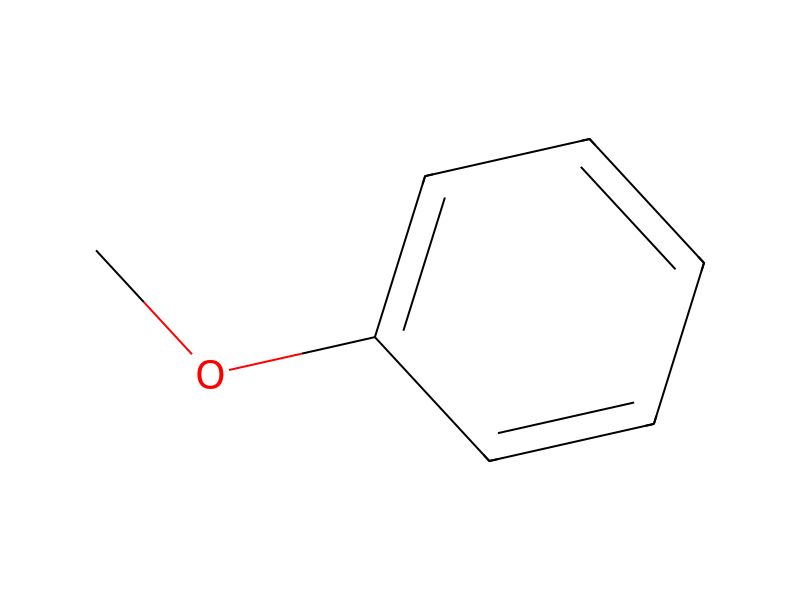
A mixed acid anhydride was prepared in a conventional manner from 186 mg. (0.53 mmole) of N-benzyloxycarbonyl-3-(1-naphthyl)-D-alanine. Separately, 360 mg. (0.7 mmole) of N-t-butyroxycarbonyl-Nim -2,4-dinitrophenyl-L-histidyl-L-leucinol was treated with 6 ml. of trifluoroacetic acid in the presence of 80 mg. (0.7 mmole) of anisole at room temperature for 30 minutes. To the resulting mixture were added 100 ml. of diethyl ether, and the yellow powder thus precipitated was separated by filtration and dissolved in 5 ml. of dimethylformamide. The solution was cooled to 0° C. and neutralized with 70 mg. (0.7 mmole) of N-methyl-morpholine; to the mixture was added the above-prepared mixed acid anhydride. The mixture was stirred at 0° C. for 1 hour, allowed to stand overnight at room temperature and then concentrated by evaporation under reduced pressure. To the residue was added dilute hydrochloric acid, and the yellow oily substance formed was extracted with ethyl acetate. The organic layer was washed successively with water, a 5% w/v aqueous solution of sodium bicarbonate and a saturated aqueous solution of sodium chloride and dried over anhydrous sodium sulphate. The solvent was removed by distillation under reduced pressure, and water was added to the residue to solidify it. The solidified mass was pulverized and separated by filtration, to afford 330 mg. of the title compound, which was used for the next reaction without purification.
Workup
- additionTo the resulting mixture were added 100 ml
- customof diethyl ether, and the yellow powder thus precipitated
- customwas separated by filtration
- dissolutiondissolved in 5 ml
- waitto stand overnight at room temperature
- concentrationconcentrated by evaporation under reduced pressure
- additionTo the residue was added dilute hydrochloric acid
- customthe yellow oily substance formed
- extractionwas extracted with ethyl acetate
- washThe organic layer was washed successively with water
- dry with materiala 5% w/v aqueous solution of sodium bicarbonate and a saturated aqueous solution of sodium chloride and dried over anhydrous sodium sulphate
- customThe solvent was removed by distillation under reduced pressure, and water
- additionwas added to the residue
- customseparated by filtration
- customto afford 330 mg
Sources & evidence
- ORD record
- ord-c1f01919ab4447c28f2b0084f4f3b298
- Source dataset
- uspto-grants-1985_10
- Patent number
- US04548926
Reaction notes
Loading…