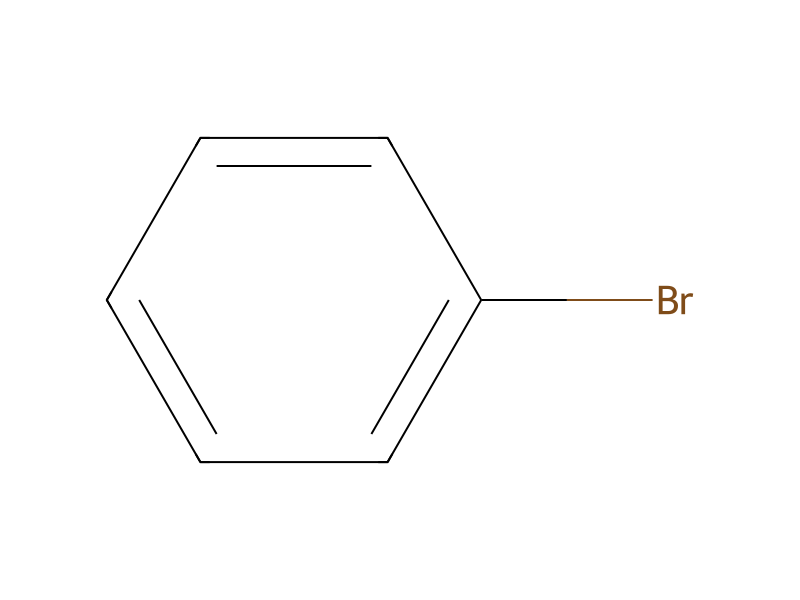
Bromobenzene → 4-Methylbiphenyl
Reaction equation

[C:1]1([CH3:10])[CH:6]=[CH:5][C:4](S([O-])=O)=[CH:3][CH:2]=1.[Na+].Br[C:13]1[CH:18]=[CH:17][CH:16]=[CH:15][CH:14]=1.C1(P(C2C=CC=CC=2)CCP(C2C=CC=CC=2)C2C=CC=CC=2)C=CC=CC=1.[O-2].[Ca+2]>C([O-])(=O)C.[Pd+2].C([O-])(=O)C>[CH3:10][C:1]1[CH:6]=[CH:5][C:4]([C:13]2[CH:18]=[CH:17][CH:16]=[CH:15][CH:14]=2)=[CH:3][CH:2]=1Participants
6
Reactant 4


Product 1

Reagents, catalysts & solvents 1

Procedure
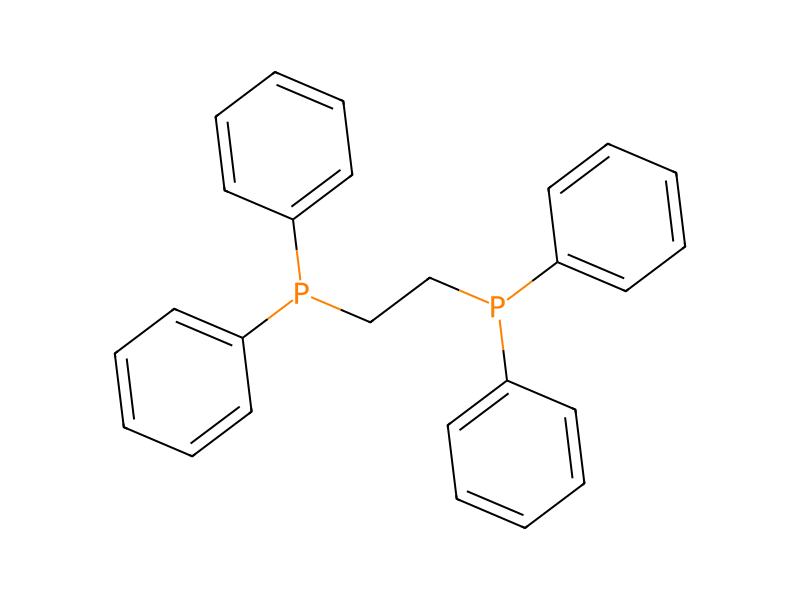
3.56 g (20 mmol) of sodium p-toluenesulfinate, 3.14 g (20 mmol) of bromobenzene, 0.0225 g (0.1 mmol) of palladium acetate, 0.0478 g (0.12 mmol) of 1,2-bis(diphenylphosphino)-ethane, 11.2 g (200 mmol) of calcium oxide and 60 ml of each solvent indicated in Table 1 were placed in a 100 ml round bottom flask and reacted at 150° C. in a nitrogen gas stream for 6 hours, respectively. After the completion of the reaction, the amount of 4-methyl-biphenyl formed was analyzed by means of high performance liquid chromatography. The results are shown in Table 1.
Workup
- customwere placed in a 100 ml round bottom flask
- customreacted at 150° C. in a nitrogen gas stream for 6 hours
- customAfter the completion of the reaction
Sources & evidence
- ORD record
- ord-bac4f20160394a60924409c075862d33
- Source dataset
- uspto-grants-1992_10
- Patent number
- US05159082
Reaction notes
Loading…