3,4-dihydro-2H-pyran → 1-(Tetrahydro-2H-pyran-2-yl)-1H-benzimidazole-5-carboxylic acid
Reaction equation

[NH:1]1[C:5]2[CH:6]=[CH:7][C:8]([C:10]([OH:12])=[O:11])=[CH:9][C:4]=2[N:3]=[CH:2]1.[O:13]1[CH:18]=[CH:17][CH2:16][CH2:15][CH2:14]1.C12(CS(O)(=O)=O)C(C)(C)C(CC1)CC2=O>C1COCC1>[O:13]1[CH2:18][CH2:17][CH2:16][CH2:15][CH:14]1[N:1]1[C:5]2[CH:6]=[CH:7][C:8]([C:10]([OH:12])=[O:11])=[CH:9][C:4]=2[N:3]=[CH:2]1Participants
5
Reactant 3

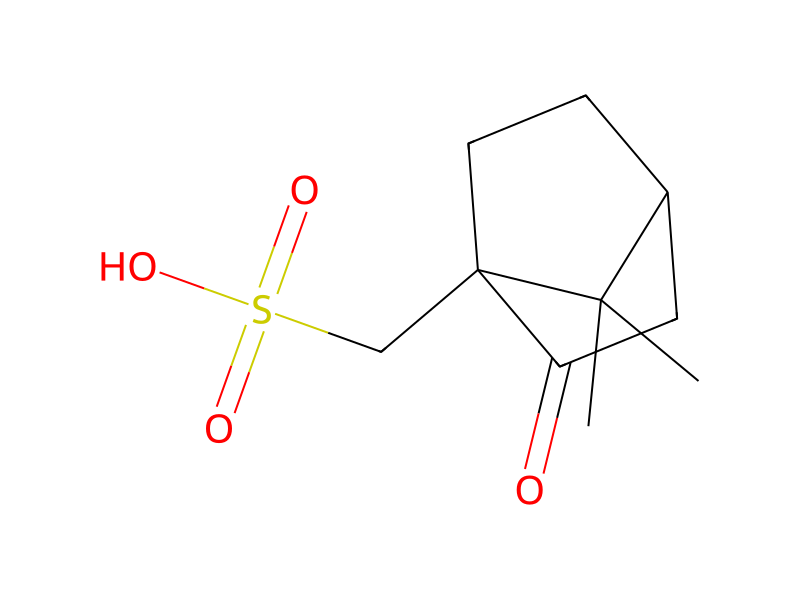

Product 1

Reagents, catalysts & solvents 1

Procedure
To the solution of 1H-benzoimidazole-5-carboxylic acid (1.62 g, 10 mmol) in THF (20 mL) was added 3,4-dihydro-2H-pyran (2 mL) and camphorsulfonic acid (100 mg, 0.42 mmol, 0.04 equiv). The mixture was refluxed for 24 h under argon. Concentration and chromatography afforded 1.5 g (60%) of 1-(tetrahydro-pyran-2-yl)-1H-benzoimidazole-5-carboxylic acid (166) as a light red solid.
Workup
- temperatureThe mixture was refluxed for 24 h under argon
- concentrationConcentration and chromatography
Sources & evidence
- ORD record
- ord-7e715e7f64ca4de9b17816c1007d03c8
- Source dataset
- uspto-grants-2014_01
- Patent number
- US08637537B2
Reaction notes
Loading…