Acetic Acid → Ethyl 3-(pyridin-2-yl)acrylate
Reaction equation

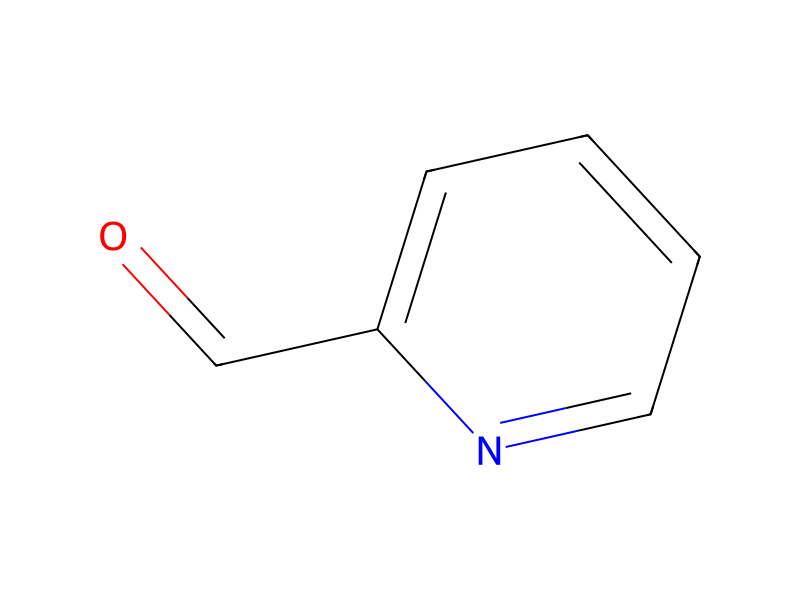
[H-].[Na+].C(OP([CH2:11][C:12]([O:14][CH2:15][CH3:16])=[O:13])(OCC)=O)C.[N:17]1[CH:22]=[CH:21][CH:20]=[CH:19][C:18]=1[CH:23]=O.C(O)(=O)C>C1COCC1.O>[N:17]1[CH:22]=[CH:21][CH:20]=[CH:19][C:18]=1[CH:23]=[CH:11][C:12]([O:14][CH2:15][CH3:16])=[O:13]Participants






Procedure
To a suspension of sodium hydride (60% in oil, 0.88 g, 22 mmol) in THF (20 ml) was added ethyl diethylphosphonoacetate (4.93 g, 22 mmol) dropwise while ice cooling and the mixture was further stirred at room temperature for 15 minutes and again ice cooled. To the ice cooled mixture was added dropwise a solution of picolinaldehyde (2.14 g, 20 mmol) in THF (10 ml). After the addition, the reaction mixture was heated at 60° C. for 1 hour. Thereafter, the reaction was stopped by treating with 1M aqueous acetic acid. The mixture was diluted with water, and extracted with methylene chloride. The organic layer was treated according to conventional techniques. Evaporation of the solvent yielded a residue which was subjected to recrystallization from hexane to afford ethyl 3-(pyridin-2-yl)-acrylate, yield: 80%.
Workup
- temperatureagain ice cooled
- additionAfter the addition
- temperaturethe reaction mixture was heated at 60° C. for 1 hour
- extractionextracted with methylene chloride
- additionThe organic layer was treated
- customEvaporation of the solvent
- customyielded a residue which
- customwas subjected to recrystallization from hexane
Sources & evidence
- ORD record
- ord-039b2ba9be22495dab83edc015daf0b7
- Source dataset
- uspto-grants-2003_11
- Patent number
- US06642250B2
Reaction notes
Loading…