Hydrochloric Acid → HCID 9817140, compound
Reaction equation

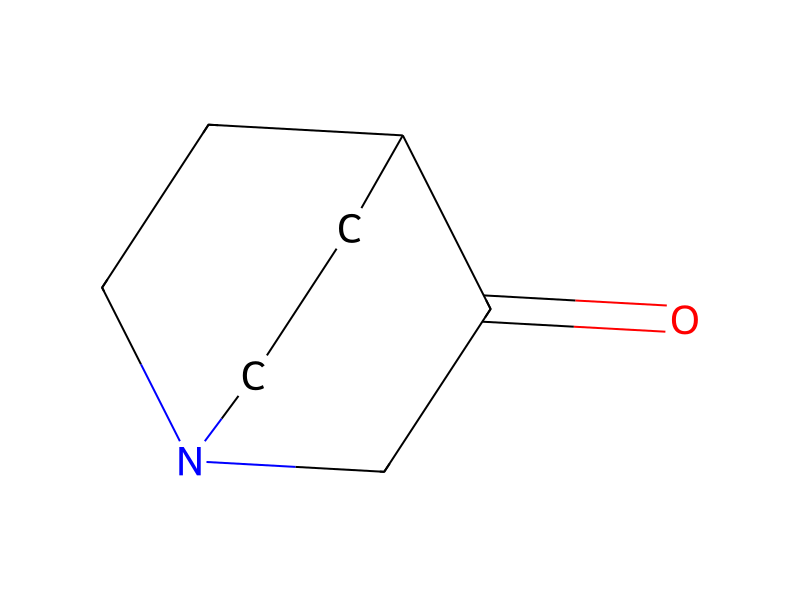
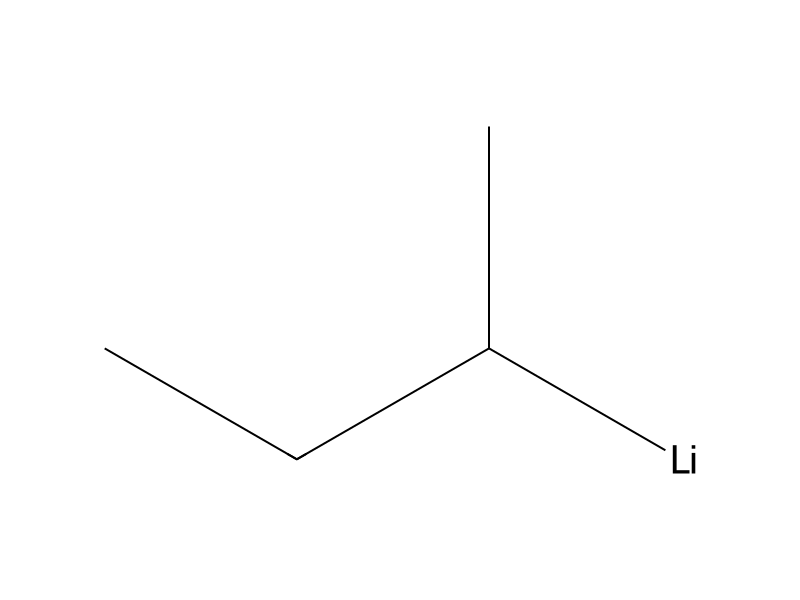
C([Li])(CC)C.Br[C:7]1[CH:12]=[CH:11][C:10]([C:13]2[CH:18]=[CH:17][CH:16]=[CH:15][CH:14]=2)=[CH:9][CH:8]=1.[N:19]12[CH2:26][CH2:25][CH:22]([CH2:23][CH2:24]1)[C:21](=[O:27])[CH2:20]2.Cl>C1CCCCC1.O1CCCC1>[C:10]1([C:13]2[CH:18]=[CH:17][CH:16]=[CH:15][CH:14]=2)[CH:11]=[CH:12][C:7]([C:21]2([OH:27])[CH:22]3[CH2:25][CH2:26][N:19]([CH2:24][CH2:23]3)[CH2:20]2)=[CH:8][CH:9]=1Participants





Conditions
- Temperature
- 50 °C
Procedure
A solution of sec-butyllithium in cyclohexane (100 ml, 1.3M) was added dropwise with stirring to a solution of 4-bromobiphenyl (25 g) in dry tetrahydrofuran (240 ml) under an argon atmosphere at -78° C. The mixture was stirred for 5 minutes and a solution of quinuclidin-3-one (12 g) in dry tetrahydrofuran (100 ml) added during 20 minutes. Stirring was continued at -78° C. for 30 minutes and the mixture allowed to reach room temperature over 2 hours. 2M Hydrochloric acid (225 ml) was added keeping the reaction temperature below 10° C. The aqueous layer was separated and washed with diethyl ether (2×300 ml) before the addition of excess sodium hydroxide solution (density 1.35 g/cm3) to pH14. The mixture was extracted with ethyl acetate which had been heated to 50° C. and the ethyl acetate phase separated, dried (Na2SO4) and evaporated to yield a colourless solid which crystallised from ethyl acetate to give 3-(biphenyl-4-yl)-3-hydroxyquinuclidine (11.0 g) m.p. 165°-166° C.; microanalysis, found: C, 81.1; H, 7.5; N, 5.2%; C19H21NO 0.1H2O requires: C, 81.1; H, 7.5; N, 5.0%; NMR (CDCl3 /CD3CO2D): 1.7-1.9(3H, m,), 2.5(1H, m), 2.5-2.7(1H, m), 3.2-3.5(4H, m), 3.7(1H, dd), 4.0(1H, dd) and 7.3-7.7(9H, m); m/z 279 (M+).
Workup
- stirringStirring
- waitwas continued at -78° C. for 30 minutes
- waitto reach room temperature over 2 hours
- customthe reaction temperature below 10° C
- customThe aqueous layer was separated
- washwashed with diethyl ether (2×300 ml) before the addition of excess sodium hydroxide solution (density 1.35 g/cm3) to pH14
- extractionThe mixture was extracted with ethyl acetate which
- customthe ethyl acetate phase separated
- dry with materialdried (Na2SO4)
- customevaporated
- customto yield a colourless solid which
- customcrystallised from ethyl acetate
Sources & evidence
- ORD record
- ord-5d4d976024f048d5933294c8240db91f
- Source dataset
- uspto-grants-1998_08
- Patent number
- US05792777
Reaction notes
Loading…