Benzoyl chloride → Styrene
Reaction equation

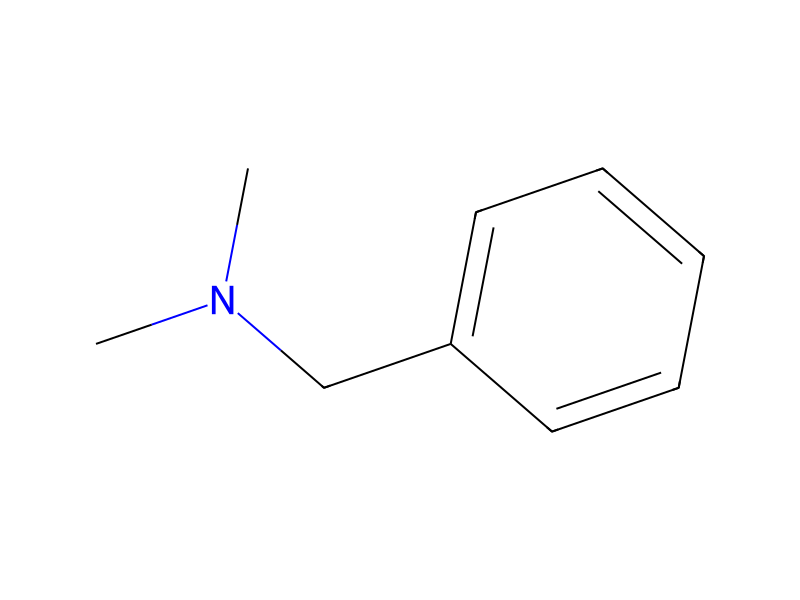
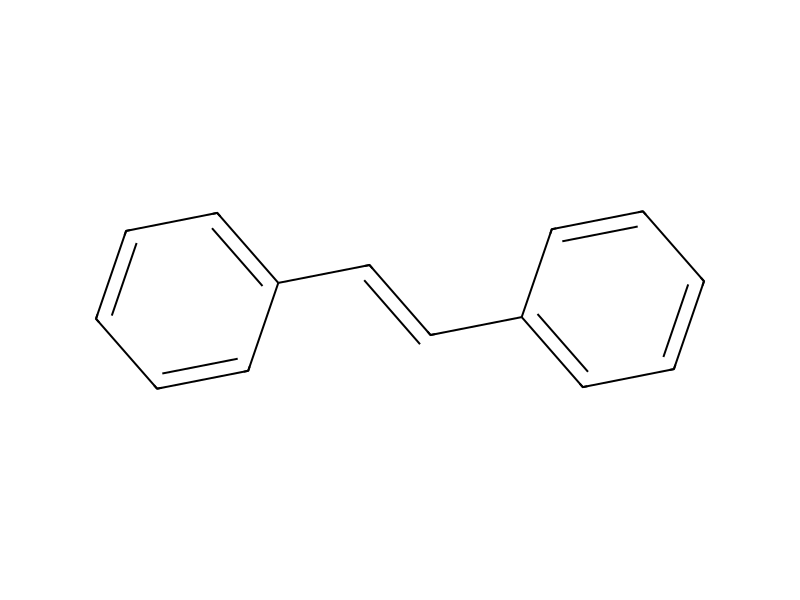
[C:1](Cl)(=O)[C:2]1[CH:7]=[CH:6][CH:5]=[CH:4][CH:3]=1.[CH2:10](N(C)C)[C:11]1[CH:16]=[CH:15][CH:14]=[CH:13][CH:12]=1>C([O-])(=O)C.[Pd+2].C([O-])(=O)C.C1(C)C=CC=CC=1>[CH2:10]=[CH:1][C:2]1[CH:7]=[CH:6][CH:5]=[CH:4][CH:3]=1.[C:2]1(/[CH:1]=[CH:10]/[C:11]2[CH:16]=[CH:15][CH:14]=[CH:13][CH:12]=2)[CH:7]=[CH:6][CH:5]=[CH:4][CH:3]=1Participants
6
Reactant 2

Product 2

Reagents, catalysts & solvents 2


Conditions
- Temperature
- 120 °C
Procedure
1.44 ml (12.5 mmols) of benzoyl chloride, 1.88 ml (12.5 mmols) of N-benzyldimethylamine and 0.0281 g (0.125 mmol) of palladium acetate are added to 25 ml of toluene in a pressure apparatus constructed of glass. The apparatus is flushed with ethylene in order to remove the air. Ethylene is then injected at 10 bar and the mixture is stirred for 4 hours at 120° C. 55% of styrene and 9% of trans-stilbene are formed.
Workup
- customThe apparatus is flushed with ethylene in order
- customto remove the air
Sources & evidence
- ORD record
- ord-3b4ff9d3a9cb4683841ce19326b808e0
- Source dataset
- uspto-grants-1985_08
- Patent number
- US04533505
Reaction notes
Loading…