Ammonia → HCID 23147333, compound
Reaction equation

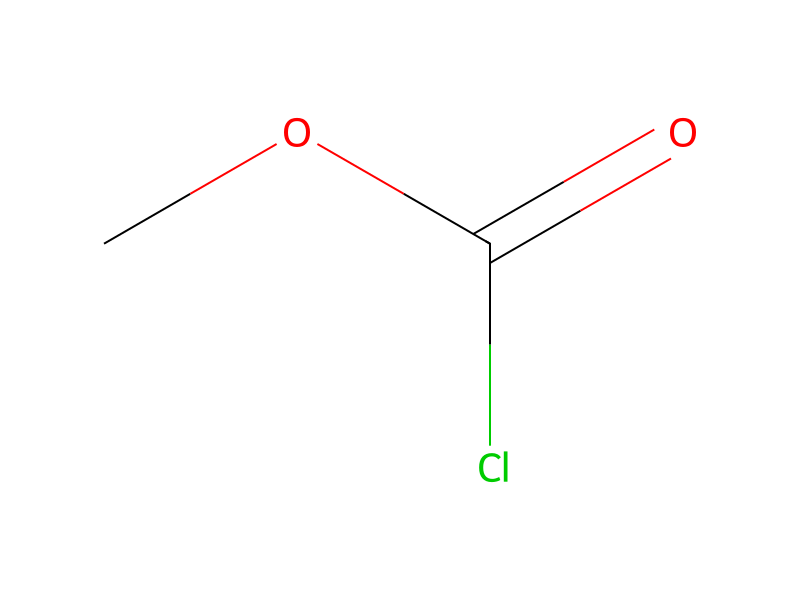
C(Cl)(=O)OC.C(N(CC)CC)C.[CH2:13]([O:15][C:16]1[CH:17]=[C:18]([C:22]2[C:27]([CH2:28][CH2:29][O:30][CH3:31])=[C:26]([CH2:32][CH3:33])[C:25]([O:34]C(OC)=O)=[CH:24][C:23]=2[O:39]C(OC)=O)[CH:19]=[CH:20][CH:21]=1)[CH3:14].[BH4-].[Na+].N>CO.O1CCCC1.O>[CH2:13]([O:15][C:16]1[CH:17]=[C:18]([C:22]2[C:27]([CH2:28][CH2:29][O:30][CH3:31])=[C:26]([CH2:32][CH3:33])[C:25]([OH:34])=[CH:24][C:23]=2[OH:39])[CH:19]=[CH:20][CH:21]=1)[CH3:14]Participants
9
Reactant 5




Product 1

Reagents, catalysts & solvents 3



Procedure
In the same manner as in Example 118, 1-[3-(3-ethoxyphenyl)-4,6-bis(methoxycarbonyloxy)-2-(2-methoxyethyl)phenyl]ethanone was obtained from Compound 121 (94 mg, 0.29 mmol) obtained in Example 121, using methyl chlorocarbonate (0.05 mL, 0.65 mmol), triethylamine (0.09 mL, 0.65 mmol) and tetrahydrofuran (3.0 mL); and from the resulting compound, obtained was 2-(3-ethoxyphenyl)-4-ethyl-1,5-bis(methoxycarbonyloxy)-3-(2-methoxyethyl)benzene, using sodium borohydride (30 mg, 0.79 mmol), water (2.0 mL) and tetrahydrofuran (2.0 mL). Then, the resulting compound was treated with methanol solution (5.0 mL) of 7 mmol/L ammonia to obtain Compound 133 (45 mg, 50%).
Workup
- customand from the resulting compound, obtained
Sources & evidence
- ORD record
- ord-dc27643606aa42369f7cf5c61c695c3e
- Source dataset
- uspto-grants-2009_05
- Patent number
- US07538241B2
Reaction notes
Loading…