Hydrochloric Acid → 4-amino-2-[[(2,3-difluorophenyl)methyl]thio]-7(8H)-pteridinone
Reaction equation

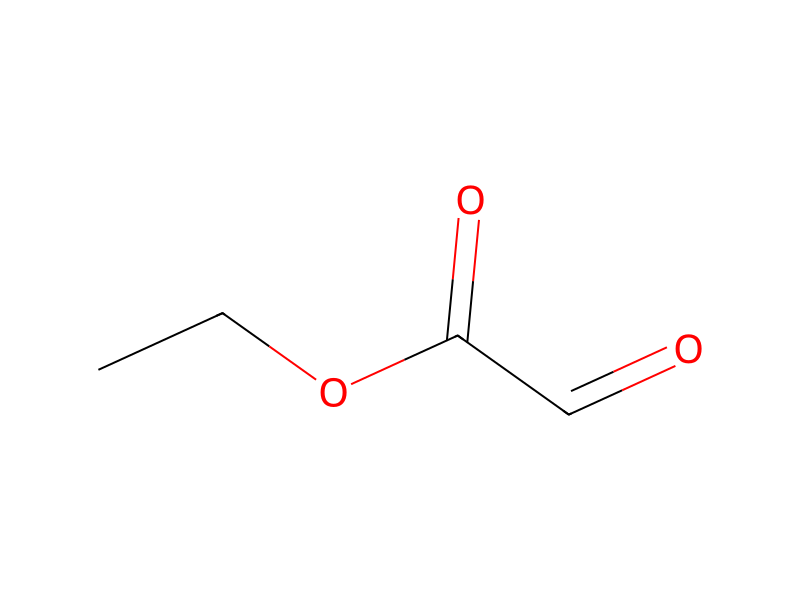
[F:1][C:2]1[C:7]([F:8])=[CH:6][CH:5]=[CH:4][C:3]=1[CH2:9][S:10][C:11]1[N:16]=[C:15]([NH2:17])[C:14]([NH2:18])=[C:13]([NH2:19])[N:12]=1.[C:20](OCC)(=O)[CH:21]=[O:22].O.Cl>[Na].CO>[NH2:17][C:15]1[C:14]2[N:18]=[CH:20][C:21](=[O:22])[NH:19][C:13]=2[N:12]=[C:11]([S:10][CH2:9][C:3]2[CH:4]=[CH:5][CH:6]=[C:7]([F:8])[C:2]=2[F:1])[N:16]=1Participants
7
Reactant 4



Product 1

Reagents, catalysts & solvents 2


Procedure
The product of example 2, step (c) (100 mg) was dissolved in a solution of sodium (0.05 g) in methanol (5 ml). This was left to stir for 15 min at room temperature, then ethyl glyoxalate (134 μl) was added to the mixture which was left to stir for 12 hr at room temperature. Water (5 ml) was added, then concentrated hydrochloric acid was slowly .5 added to acidify the solution to ˜pH5 whereupon a solid precipitated which was isolated by filtration and dried over P2O5 at 50° C. to yield a pale yellow solid (44.5 mg).
Workup
- waitThis was left
- waitwas left
- stirringto stir for 12 hr at room temperature
- additionadded
- customprecipitated which
- customwas isolated by filtration
- dry with materialdried over P2O5 at 50° C.
Sources & evidence
- ORD record
- ord-04ccf1a95cba4a148500d4046160114a
- Source dataset
- uspto-grants-2005_09
- Patent number
- US06949643B2
Reaction notes
Loading…