Potassium Carbonate → Ethyl 1-(cyclopropylmethyl)-4-nitro-1H-imidazole-2-carboxylate
Reaction equation

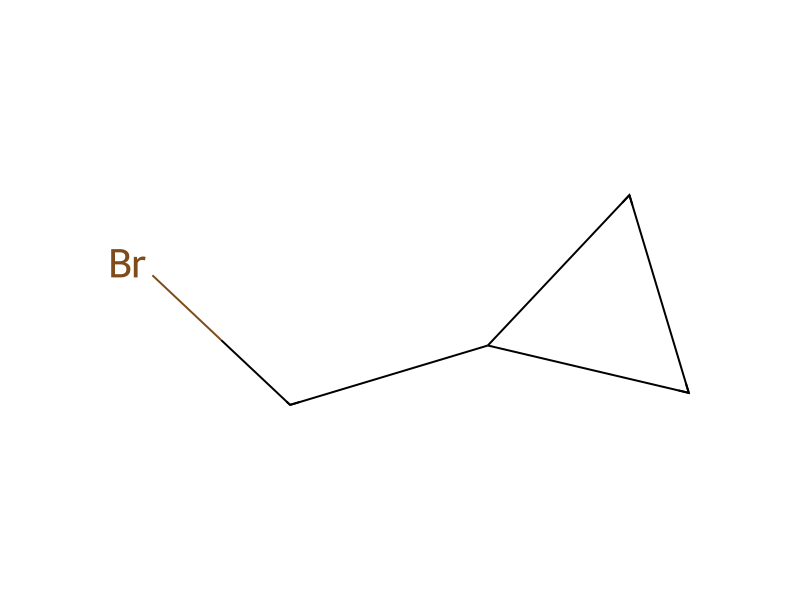
[N+:1]([C:4]1[N:5]=[C:6]([C:9]([O:11][CH2:12][CH3:13])=[O:10])[NH:7][CH:8]=1)([O-:3])=[O:2].[CH:14]1([CH2:17]Br)[CH2:16][CH2:15]1.C(=O)([O-])[O-].[K+].[K+]>CN(C=O)C.O>[CH:14]1([CH2:17][N:7]2[CH:8]=[C:4]([N+:1]([O-:3])=[O:2])[N:5]=[C:6]2[C:9]([O:11][CH2:12][CH3:13])=[O:10])[CH2:16][CH2:15]1Participants
6





Procedure
15 g (81 mmol) of ethyl 4-nitro-1H-imidazole-2-carboxylate are stirred together with 13.13 g (97.2 mmol) of cyclopropylmethyl bromide and 22.4 g (162 mmol) of potassium carbonate in 165 ml of DMF at 80° C. under argon for 1 h. After cooling, the reaction mixture is diluted with water and extracted four times with ethyl acetate. The combined organic phases are washed once with water and three times with saturated sodium chloride solution, dried with magnesium sulphate and evaporated in vacuo. The crystalline residue is further used directly for the next reaction.
Workup
- temperatureAfter cooling
- extractionextracted four times with ethyl acetate
- washThe combined organic phases are washed once with water and three times with saturated sodium chloride solution
- dry with materialdried with magnesium sulphate
- customevaporated in vacuo
- customThe crystalline residue is further used directly for the next reaction
Sources & evidence
- ORD record
- ord-0c0bd769542e468bbdf2efb6d8f91247
- Source dataset
- uspto-grants-2010_08
- Patent number
- US07767704B2
Reaction notes
Loading…