3-Bromo-3-buten-1-ol → γ-Methylene-6-quinolinepropanol
Reaction equation

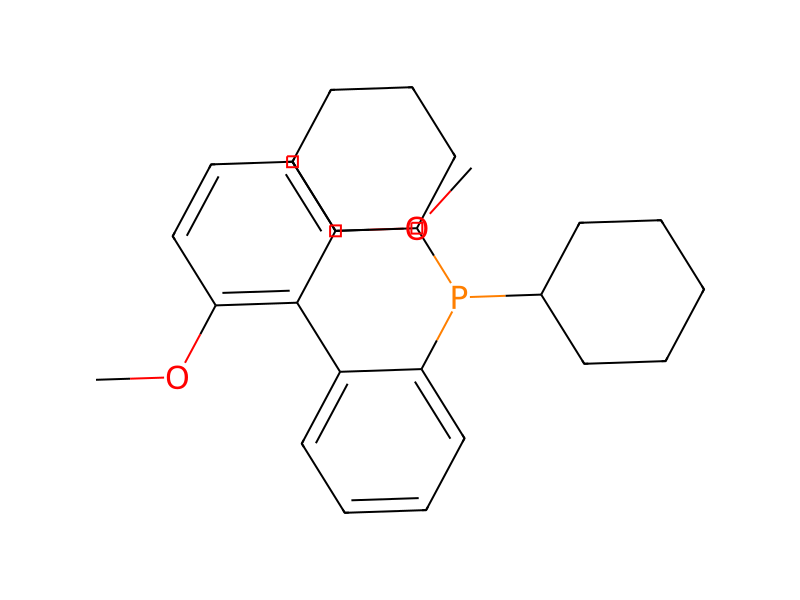
CC1(C)C(C)(C)OB([C:9]2[CH:10]=[C:11]3[C:16](=[CH:17][CH:18]=2)[N:15]=[CH:14][CH:13]=[CH:12]3)O1.Br[C:21](=[CH2:25])[CH2:22][CH2:23][OH:24].C1(P(C2CCCCC2)C2C=CC=CC=2C2C(OC)=CC=CC=2OC)CCCCC1>C1(C)C=CC=CC=1.O.CCOC(C)=O.C([O-])(=O)C.[Pd+2].C([O-])(=O)C>[N:15]1[C:16]2[C:11](=[CH:10][C:9]([C:21](=[CH2:25])[CH2:22][CH2:23][OH:24])=[CH:18][CH:17]=2)[CH:12]=[CH:13][CH:14]=1Participants
8
Reactant 3


Product 1

Reagents, catalysts & solvents 4




Conditions
- Temperature
- 100 °C
Procedure
Palladium acetate (100 mg, 0.6 mmol) was added to a solution of 6-(4,4,5,5-tetramethyl-1,3,2-dioxaborolan-2-yl)quinoline (8.0 g, 31 mmol) and 3-bromo-3-buten-1-ol (6.2 g, 41 mmol) in toluene (118 mL) and water (12 mL) followed by addition of 2-(dicyclohexylphosphino)-2′,6′-dimethoxy-1,1′-biphenyl (500 mg, 1 mmol). The mixture was stirred at 100° C. for 6 h. After cooling to RT, the mixture was diluted with EtOAc, washed with water and brine. The organic layers were dried over Na2SO4, filtered, and concentrated. The residue was purified by chromatography on silica gel with EtOAc in methylene chloride (0-50%) to afford the desired product.
Workup
- temperatureAfter cooling to RT
- washwashed with water and brine
- dry with materialThe organic layers were dried over Na2SO4
- filtrationfiltered
- concentrationconcentrated
- customThe residue was purified by chromatography on silica gel with EtOAc in methylene chloride (0-50%)
Sources & evidence
- ORD record
- ord-7486e9eaafc648298087d6777ab08a3a
- Source dataset
- uspto-grants-2010_08
- Patent number
- US07767675B2
Reaction notes
Loading…