Trimethylsilyl cyanide → 2-Hydroxy-3-methoxy-3-(4-morpholinophenyl)propanenitrile
Reaction equation

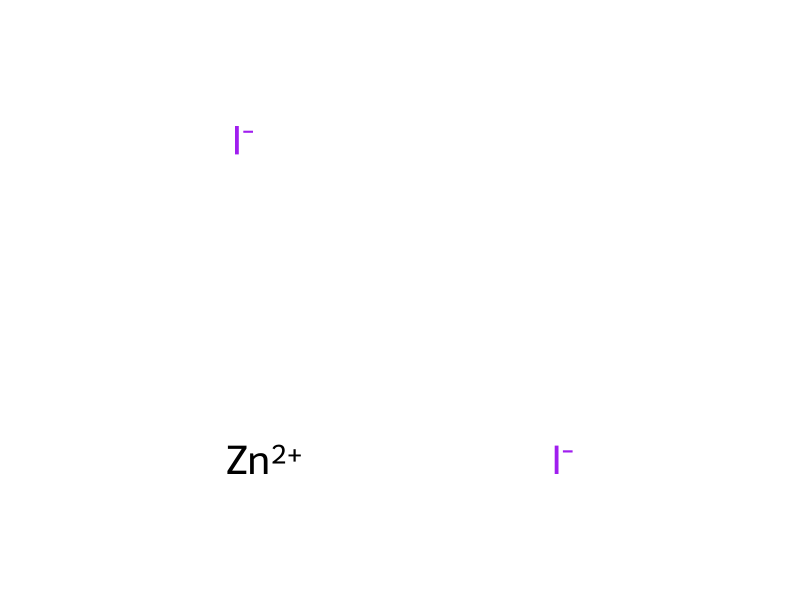
[CH3:1][O:2][CH:3]([C:6]1[CH:11]=[CH:10][C:9]([N:12]2[CH2:17][CH2:16][O:15][CH2:14][CH2:13]2)=[CH:8][CH:7]=1)[CH:4]=[O:5].C[Si]([C:22]#[N:23])(C)C.C([O-])(O)=O.[Na+]>CCOCC.CCOC(C)=O.O.[Zn+2].[I-].[I-]>[OH:5][CH:4]([CH:3]([O:2][CH3:1])[C:6]1[CH:7]=[CH:8][C:9]([N:12]2[CH2:17][CH2:16][O:15][CH2:14][CH2:13]2)=[CH:10][CH:11]=1)[C:22]#[N:23]Participants
8
Reactant 3



Product 1

Reagents, catalysts & solvents 4



Procedure
To a solution of 2-methoxy-2-(4-morpholinophenyl)acetaldehyde (1.27 g, ˜5.1 mmol) in Et2O (35 mL) under a drying tube was added trimethylsilyl cyanide (1 mL, 8 mmol) and ZnI2 (50 mg, 0.16 mmol). After stirring at room temperature for 15.5 hrs, saturated aqueous NaHCO3 was added and the mixture was stirred several hrs. The mixture was diluted with EtOAc and H2O and the layers were separated. The organic layers were washed with saturated aqueous NaHCO3, dried over Na2SO4 and concentrated in vacuo to give 2-hydroxy-3-methoxy-3-(4-morpholinophenyl)propanenitrile as an orange foam (1.26 g). The product was used without further purification.
Workup
- stirringthe mixture was stirred several hrs
- customthe layers were separated
- washThe organic layers were washed with saturated aqueous NaHCO3
- dry with materialdried over Na2SO4
- concentrationconcentrated in vacuo
Sources & evidence
- ORD record
- ord-a601e5771f5c480cb350405e6a68339f
- Source dataset
- uspto-grants-2015_08
- Patent number
- US09102643B2
Reaction notes
Loading…