Ammonium formate → 4-((4-Fluoro-2-methyl-1H-indol-5-yl)oxy)-6-methoxyquinazolin-7-ol
Reaction equation

[F:1][C:2]1[C:10]([O:11][C:12]2[C:21]3[C:16](=[CH:17][C:18]([O:24]CC4C=CC=CC=4)=[C:19]([O:22][CH3:23])[CH:20]=3)[N:15]=[CH:14][N:13]=2)=[CH:9][CH:8]=[C:7]2[C:3]=1[CH:4]=[C:5]([CH3:32])[NH:6]2.C([O-])=O.[NH4+]>CN(C)C=O.[OH-].[Pd+2].[OH-]>[F:1][C:2]1[C:10]([O:11][C:12]2[C:21]3[C:16](=[CH:17][C:18]([OH:24])=[C:19]([O:22][CH3:23])[CH:20]=3)[N:15]=[CH:14][N:13]=2)=[CH:9][CH:8]=[C:7]2[C:3]=1[CH:4]=[C:5]([CH3:32])[NH:6]2Participants
5
Reactant 2
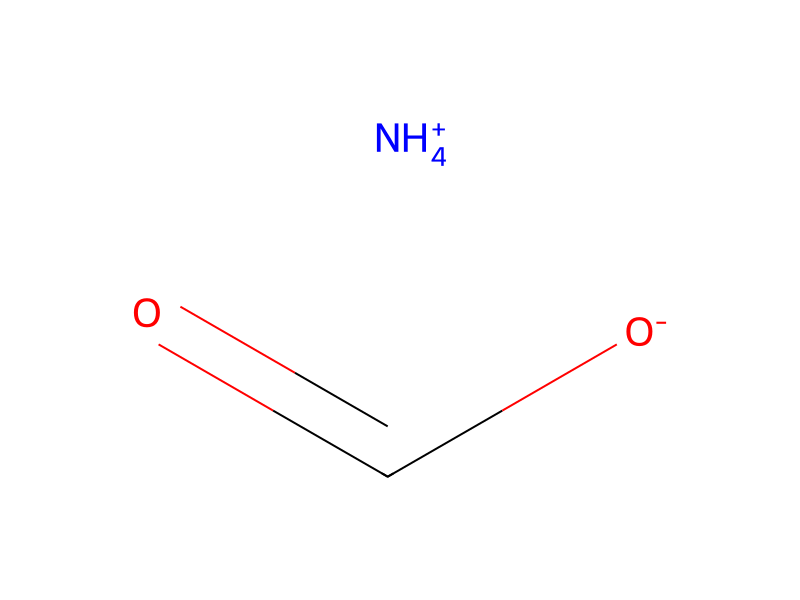

Product 1

Reagents, catalysts & solvents 2


Procedure
4-(4-fluoro-2-methyl-1H-indol-5-yloxy)-7-(benzyloxy)-6-methoxyquinazoline (Compound 2, 0.46 g, 1.1 mmol) was dissolved in N,N-dimethylformamide (10 mL). Palladium hydroxide catalyst (250 mg, 10% on carbon) was added, followed by ammonium formate (0.67 g, 10.6 mmol). The reaction solution was stirred for 2 hours at room temperature. The catalyst was filtered through a CELITE pad, then the solution was evaporated, then dried in high vacuum overnight to generate Compound 3 as a brown solid (0.36 g, 100%) m/z: 340 (M+H, 100%) (positive ionization mode).
Workup
- filtrationThe catalyst was filtered through a CELITE pad
- customthe solution was evaporated
- customdried in high vacuum overnight
Sources & evidence
- ORD record
- ord-87fb2cb6070e4baab28841bff5aa9cb6
- Source dataset
- uspto-grants-2016_05
- Patent number
- US09353123B2
Reaction notes
Loading…