p-Toluenesulfonic acid → N-2,6-Diisopropylphenylpyridin-2-aldiMin
Reaction equation

[CH:1]([C:4]1[CH:10]=[CH:9][CH:8]=[C:7]([CH:11]([CH3:13])[CH3:12])[C:5]=1[NH2:6])([CH3:3])[CH3:2].[N:14]1[CH:19]=[CH:18][CH:17]=[CH:16][C:15]=1[CH:20]=O.C1(C)C=CC(S(O)(=O)=O)=CC=1>C1(C)C=CC=CC=1>[CH:11]([C:7]1[CH:8]=[CH:9][CH:10]=[C:4]([CH:1]([CH3:3])[CH3:2])[C:5]=1[N:6]=[CH:20][C:15]1[CH:16]=[CH:17][CH:18]=[CH:19][N:14]=1)([CH3:13])[CH3:12]Participants
5
Reactant 3

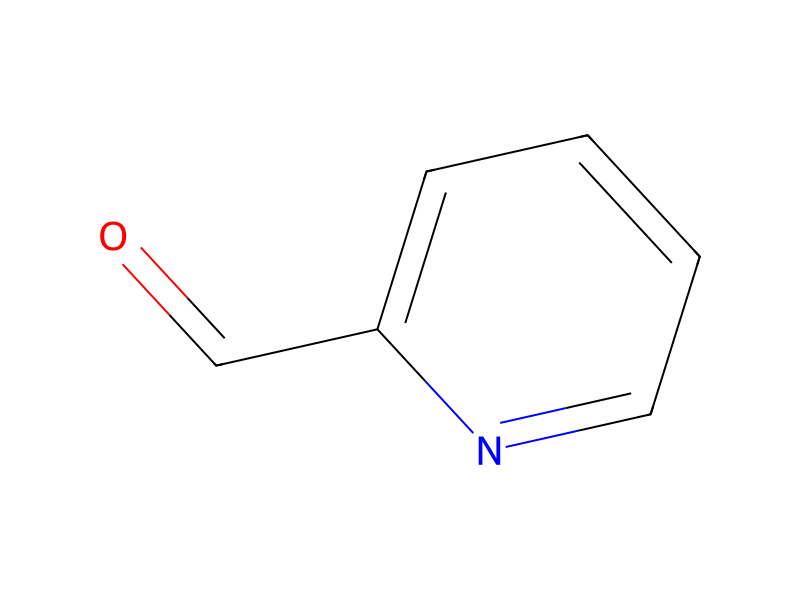

Product 1

Reagents, catalysts & solvents 1

Procedure
2,6-Diisopropylaniline (2.0 g, 11.3 mmol) was added to a solution of picolinaldehyde (1.2 g, 11.3 mmol) in toluene (200 mL) in a round bottom flask equipped with a Dean-Stark trap, followed by the addition of a catalytic amount of p-toluenesulfonic acid (0.1 g). The reaction mixture was refluxed for 18 h to remove water. The reaction mixture was cooled to rt, and then washed once with water (100 mL), and the toluene was removed under reduced pressure. The resulting residue was purified by chromatography on silica gel to give the desired product (1.2 g, 40% yield) as a pale green solid.
Workup
- customequipped with a Dean-Stark trap
- temperatureThe reaction mixture was refluxed for 18 h
- customto remove water
- washwashed once with water (100 mL)
- customthe toluene was removed under reduced pressure
- customThe resulting residue was purified by chromatography on silica gel
Sources & evidence
- ORD record
- ord-28a948c9d3aa4361b1f5dd513a568417
- Source dataset
- uspto-grants-2014_10
- Patent number
- US08853186B2
Reaction notes
Loading…