Hydrochloric Acid → 2-[[3-[4-(3-Chlorophenyl)piperazin-1-yl]propyl]amino]-N-methylpyrimidine-4-carboxamide, hydrochloride
Reaction equation

[Cl:1][C:2]1[CH:3]=[C:4]([N:8]2[CH2:13][CH2:12][N:11]([CH2:14][CH2:15][CH2:16][NH:17][C:18]3[N:23]=[C:22]([C:24]([O:26]C)=O)[CH:21]=[CH:20][N:19]=3)[CH2:10][CH2:9]2)[CH:5]=[CH:6][CH:7]=1.CO.[CH3:30][NH2:31].Cl>CC(O)C>[ClH:1].[Cl:1][C:2]1[CH:3]=[C:4]([N:8]2[CH2:13][CH2:12][N:11]([CH2:14][CH2:15][CH2:16][NH:17][C:18]3[N:23]=[C:22]([C:24]([NH:31][CH3:30])=[O:26])[CH:21]=[CH:20][N:19]=3)[CH2:10][CH2:9]2)[CH:5]=[CH:6][CH:7]=1Participants
6
Reactant 4


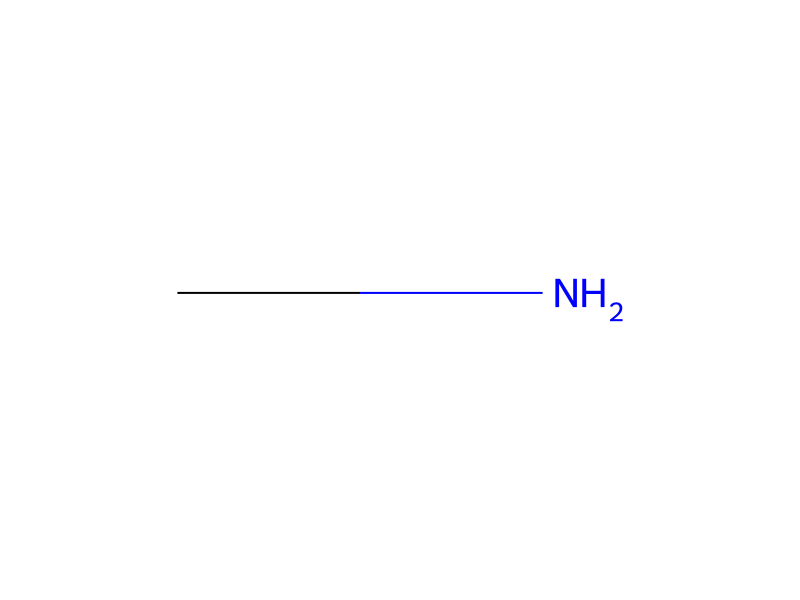

Product 1

Reagents, catalysts & solvents 1

Procedure
4.5 g (11.5 mmols) of methyl 2-[[3-[4-(3-chlorophenyl)piperazin-1-yl]propyl]amino]pyrimidine-4-carboxylate and 200 ml of methanol are introduced into a 0.5 l, round bottomed flask and then the solution is saturated with gaseous methylamine. The reaction mixture is stirred at room temperature while saturating several times with gaseous methylamine. The solvent is evaporated under reduced pressure. 4.05 g (10.4 mmols) of base are obtained to which 104 ml of 0.1N hydrochloric acid in 2-propanol are added. The solvent is evaporated and the product is recrystallised from 2-butanone. 3.8 g of compound are obtained.
Workup
- concentrationwhile saturating several times with gaseous methylamine
- customThe solvent is evaporated under reduced pressure
Sources & evidence
- ORD record
- ord-4aeb686c490442b0b6a3ee76700a4b23
- Source dataset
- uspto-grants-1993_09
- Patent number
- US05244894
Reaction notes
Loading…