Hydrochloric Acid → Hydrochloric Acid
Reaction equation

C(=O)([O-])[O-].[K+].[K+].C(OC(=O)[C@H](CC1C=CC(N(N)C(=O)C2C=C(CN(C=O)C)C=CC=2C(OCC)=O)=CC=1)NC(=O)C1C([Cl:21])=CC=CC=1Cl)(C)C.C(OC(=O)[C@H](CC1C=CC(N2C(=O)C3C(=CC=C(CN(C=O)C)C=3)NC2=O)=CC=1)NC(=O)C1C(Cl)=CC=CC=1Cl)(C)C.C1(C)C=CC(S(OC)(=O)=O)=CC=1.[CH:106]([O:109][C:110](=[O:148])[C@H:111]([CH2:123][C:124]1[CH:129]=[CH:128][C:127]([N:130]2[C:139](=[O:140])[C:138]3[C:133](=[CH:134][CH:135]=[C:136]([CH2:141][N:142](C=O)[CH3:143])[CH:137]=3)[N:132]([CH3:146])[C:131]2=[O:147])=[CH:126][CH:125]=1)[NH:112][C:113](=[O:122])[C:114]1[C:119]([Cl:120])=[CH:118][CH:117]=[CH:116][C:115]=1[Cl:121])([CH3:108])[CH3:107].Cl>>[CH:106]([O:109][C:110](=[O:148])[C@H:111]([CH2:123][C:124]1[CH:125]=[CH:126][C:127]([N:130]2[C:139](=[O:140])[C:138]3[C:133](=[CH:134][CH:135]=[C:136]([CH2:141][NH:142][CH3:143])[CH:137]=3)[N:132]([CH3:146])[C:131]2=[O:147])=[CH:128][CH:129]=1)[NH:112][C:113](=[O:122])[C:114]1[C:119]([Cl:120])=[CH:118][CH:117]=[CH:116][C:115]=1[Cl:121])([CH3:108])[CH3:107].[ClH:21]Participants
Reactant 6
 HCID 313Hydrochloric Acid
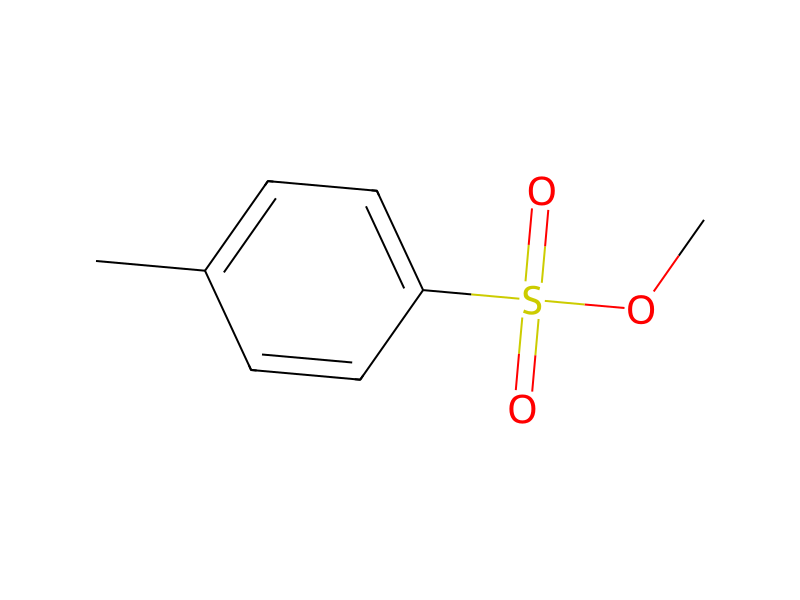 HCID 6645Methyl p-toluenesulfonate
 HCID 11430Potassium Carbonate
 HCID 58018316Nalpha-(2,6-dichlorobenzoyl)-4-{6-(N-formyl-N-methyl-aminomethyl)quinazoline-2,4[1H,3H]-dion-3-yl}-L-phenylalanine isopropyl ester
 HCID 58018317Nalpha-(2,6-dichlorobenzoyl)-4-{1-methyl-6-(N-formyl-N-methyl-aminomethyl)-quinazoline-2,4[1H,3H]-dion-3-yl}-L-phenylalanine isopropyl ester
 HCID 86637439Nalpha-(2,6-dichlorobenzoyl)-4-{2-ethoxycarbonyl-amino-5-(N-formyl-N-methylaminomethyl)benzoylamino}-L-phenylalanine isopropyl ester2×
Product 2

Procedure
In addition, it is preferred that a compound of Formula (3-4), in which R41 is a 2,6-dichlorophenyl group and R42 is an isopropyl group, is reacted with a compound of Formula (2-4) in which R43′ is an N-formyl-N-methyl-aminomethyl group and R45 is an ethyl group to thus form Nα-(2,6-dichlorobenzoyl)-4-{2-ethoxycarbonyl-amino-5-(N-formyl-N-methylaminomethyl)benzoylamino}-L-phenylalanine isopropyl ester of Formula (4-4) in which R41 is a 2,6-dichlorophenyl group, R42 is an isopropyl group, R43′ is an N-formyl-N-methyl-aminomethyl group and R45 is an ethyl group; then the isopropyl ester of Formula (4-4) is reacted with potassium carbonate to thus convert the ester into Nα-(2,6-dichlorobenzoyl)-4-{6-(N-formyl-N-methyl-aminomethyl)quinazoline-2,4[1H,3H]-dion-3-yl}-L-phenylalanine isopropyl ester of Formula (5-4) in which R41 is a 2,6-dichlorophenyl group, R42 is an isopropyl group and R43′ is an N-formyl-N-methyl-aminomethyl group; subsequently the isopropyl ester is subjected to N-alkylation using methyl p-toluene-sulfonate to thus convert the ester into Nα-(2,6-dichlorobenzoyl)-4-{1-methyl-6-(N-formyl-N-methyl-aminomethyl)-quinazoline-2,4[1H,3H]-dion-3-yl}-L-phenylalanine isopropyl ester; and finally the formyl group of the resulting isopropyl ester is deprotected with hydrogen chloride to give Nα-(2,6-dichlorobenzoyl)-4-{1-methyl-6-(N-methyl-aminomethyl)-quinazoline-2,4[1H,3H]-dion-3-yl}-L-phenylalanine isopropyl ester or hydrochloride thereof, in which R41 is a 2,6-dichlorophenyl group, R42 is an isopropyl group, R43 is an N-methyl-aminomethyl group and R44 is a methyl group.
Sources & evidence
- ORD record
- ord-4882b5c8bf014ed1b73d21f5adf276fa
- Source dataset
- uspto-grants-2011_11
- Patent number
- US08058432B2
Reaction notes
Loading…