Hydrochloric Acid → 4-Fluoro-2-iodophenol
Reaction equation

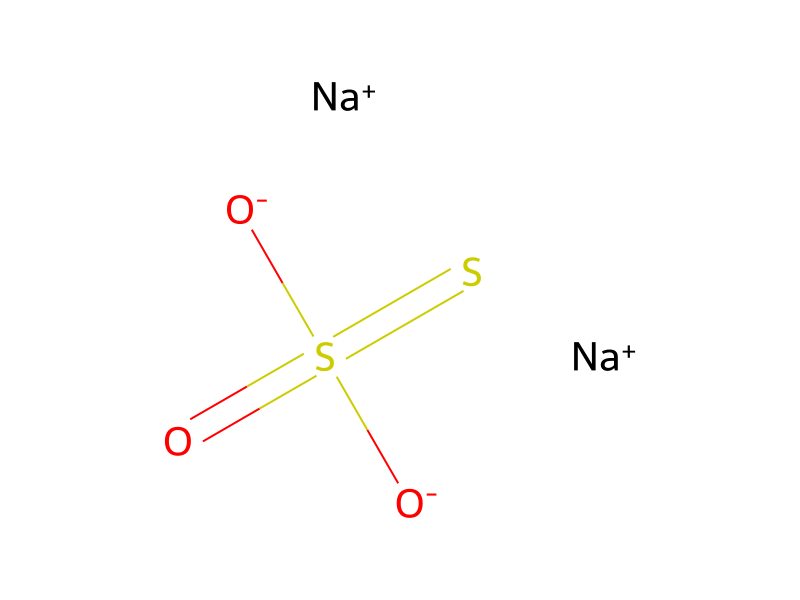
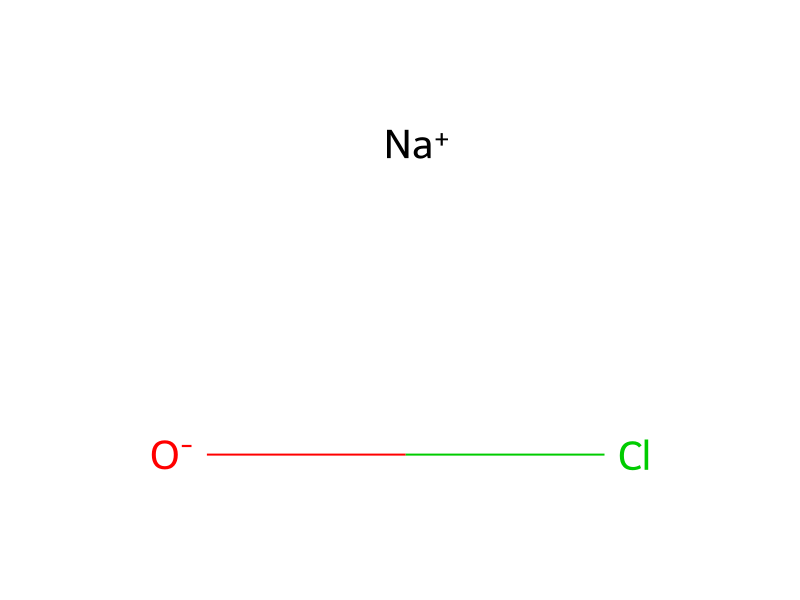
[F:1][C:2]1[CH:7]=[CH:6][C:5]([OH:8])=[CH:4][CH:3]=1.[Na+].[I-:10].[OH-].[Na+].[O-]Cl.[Na+].[O-]S([O-])(=S)=O.[Na+].[Na+].Cl>CO>[F:1][C:2]1[CH:7]=[CH:6][C:5]([OH:8])=[C:4]([I:10])[CH:3]=1Participants






Conditions
- Temperature
- 0 °C
Procedure
To a stirred solution of 16.8 g (150 millimoles (mmol) of 4-fluorophenol in 300 mL of methanol at 0° C., add 22.5 g (150 mmol) of NaI and 6.00 g (150 mmol) of NaOH. To the resulting mixture add 258 mL of 5% aqueous NaOCl solution (commercial bleach) over a one hour period. Stir the resulting slurry for one more hour at 0° C. Add 90 mL of 10% aqueous Na2S2O3 solution, and acidify the resulting reaction mixture by adding dilute hydrochloric acid. Extract the resulting mixture with methylene chloride, wash the resulting organic layer with brine and dry it over anhydrous magnesium sulfate. Remove solvent, dissolve the residue in hot hexanes, and allow the resulting solution to stand in a freezer for two hours. A dark colored material oils out. Decant the solution away therefrom and allow the resulting colorless decanted solution to stand in a freezer for 18 hours. Filter off the resulting white crystals and dry them under reduced pressure to yield 18.00 g (50%) of pure 4-fluoro-2-iodophenol (P7) as a white solid.
Workup
- customthe resulting reaction mixture
- extractionExtract the resulting mixture with methylene chloride
- washwash the resulting organic layer with brine
- dry with materialdry it over anhydrous magnesium sulfate
- dissolutionRemove solvent, dissolve the residue in hot hexanes
- customDecant the solution away
- waitto stand in a freezer for 18 hours
- filtrationFilter off the resulting white crystals
- customdry them under reduced pressure
Sources & evidence
- ORD record
- ord-1d0828399bb948f78604ac1443be0105
- Source dataset
- uspto-grants-2015_05
- Patent number
- US09029487B2
Reaction notes
Loading…