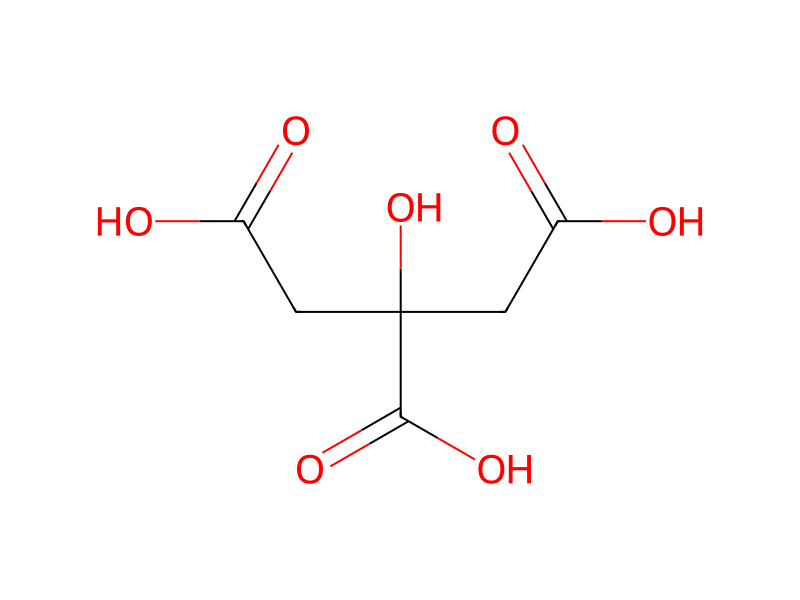
Citric Acid → Cyclopropanesulfonic acid {17-[2-(6-methyl-2-pyridyl)-7-methoxy-8-methyl-quinolin-4-yloxy]-13-methyl-2,14-dioxo-3,13-diaza-tricyclo-[13.3.0.04,6]octadec-7-ene-4-carbonyl}-amide
Reaction equation

[CH3:1][C:2]1[N:7]=[C:6]([C:8]2[CH:17]=[C:16]([O:18][CH:19]3[CH2:36][CH:35]4[CH:21]([C:22](=[O:42])[N:23]([CH3:41])[CH2:24][CH2:25][CH2:26][CH2:27][CH:28]=[CH:29][CH:30]5[C:32]([C:38]([OH:40])=O)([NH:33][C:34]4=[O:37])[CH2:31]5)[CH2:20]3)[C:15]3[C:10](=[C:11]([CH3:45])[C:12]([O:43][CH3:44])=[CH:13][CH:14]=3)[N:9]=2)[CH:5]=[CH:4][CH:3]=1.C1N=CN(C(N2C=NC=C2)=O)C=1.[CH:58]1([S:61]([NH2:64])(=[O:63])=[O:62])[CH2:60][CH2:59]1.C1CCN2C(=NCCC2)CC1.C(O)(=O)CC(CC(O)=O)(C(O)=O)O>C1COCC1>[CH3:1][C:2]1[N:7]=[C:6]([C:8]2[CH:17]=[C:16]([O:18][CH:19]3[CH2:36][CH:35]4[CH:21]([C:22](=[O:42])[N:23]([CH3:41])[CH2:24][CH2:25][CH2:26][CH2:27][CH:28]=[CH:29][CH:30]5[C:32]([C:38]([NH:64][S:61]([CH:58]6[CH2:60][CH2:59]6)(=[O:63])=[O:62])=[O:40])([NH:33][C:34]4=[O:37])[CH2:31]5)[CH2:20]3)[C:15]3[C:10](=[C:11]([CH3:45])[C:12]([O:43][CH3:44])=[CH:13][CH:14]=3)[N:9]=2)[CH:5]=[CH:4][CH:3]=1Participants
Reactant 5




Product 1

Reagents, catalysts & solvents 1

Procedure
A mixture of the acid 17-[2-(6-methyl-2-pyridyl)-7-methoxy-8-methylquinolin-4-yl-oxy]-13-methyl-2,14-dioxo-3,13-diazatricyclo[13.3.0.04,6]octadec-7-ene-4-carboxylic acid (102, 28 mg, 0.046 mmol) and CDI (15 mg, 0.092 mmol) in dry THF (3 mL) was heated at reflux for 2 h under nitrogen. The activation was monitored by LC-MS. The reaction mixture was cooled at room temperature and cyclopropylsulfonamide (17 mg, 0.137 mmol) was added. Then, DBU (16 μL, 0.105 mmol) was added and the reaction was heated at 55° C. After 24 h, the pH of the reaction mixture was adjusted to 3 with citric acid (5%). Then, the solvent was evaporated, and the residue partitioned between AcOEt and water. The crude material was purified by preparative HPLC to give 17 mg (52%) of the target compound 103: m/z=716 (M+H)+.
Workup
- temperaturewas heated
- temperatureat reflux for 2 h under nitrogen
- temperaturethe reaction was heated at 55° C
- customThen, the solvent was evaporated
- customthe residue partitioned between AcOEt and water
- customThe crude material was purified by preparative HPLC
Sources & evidence
- ORD record
- ord-255e7d14ae75424289adc33e11fce1e8
- Source dataset
- uspto-grants-2015_05
- Patent number
- US09040562B2
Reaction notes
Loading…