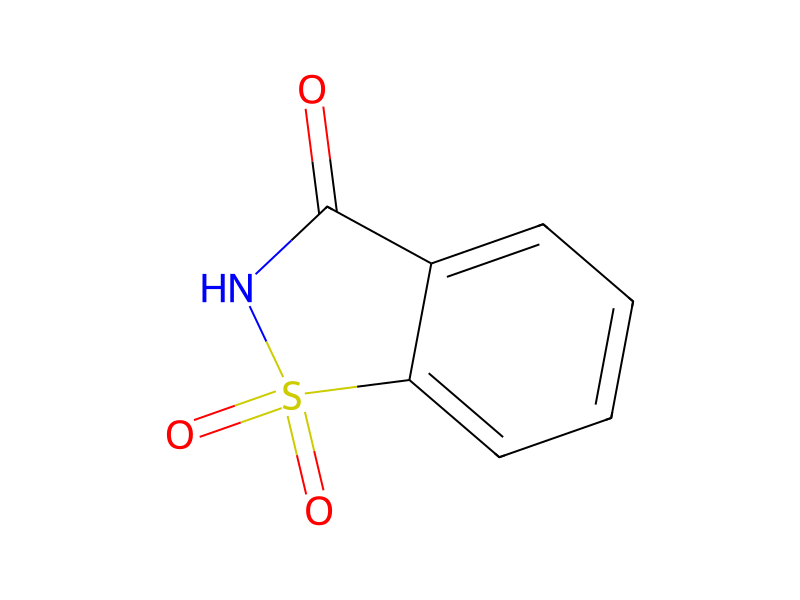
Saccharin → HCID 66664772, compound
Reaction equation

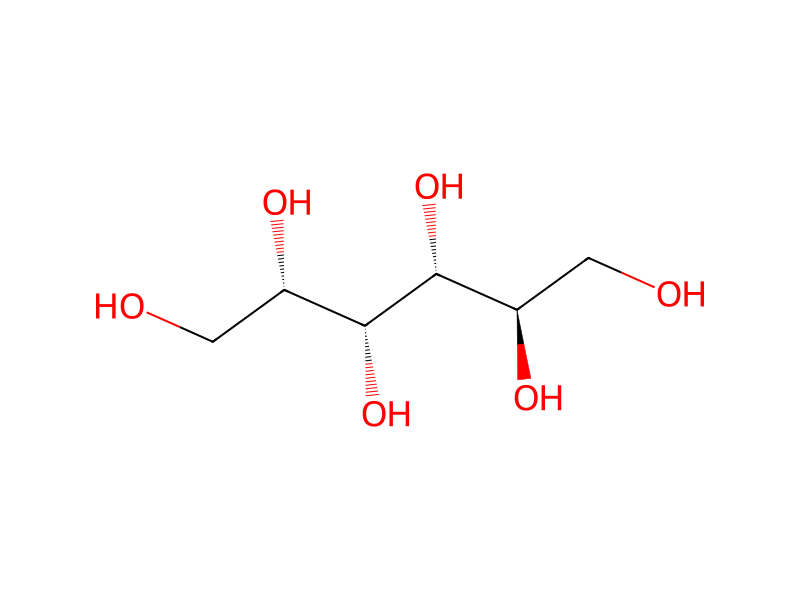
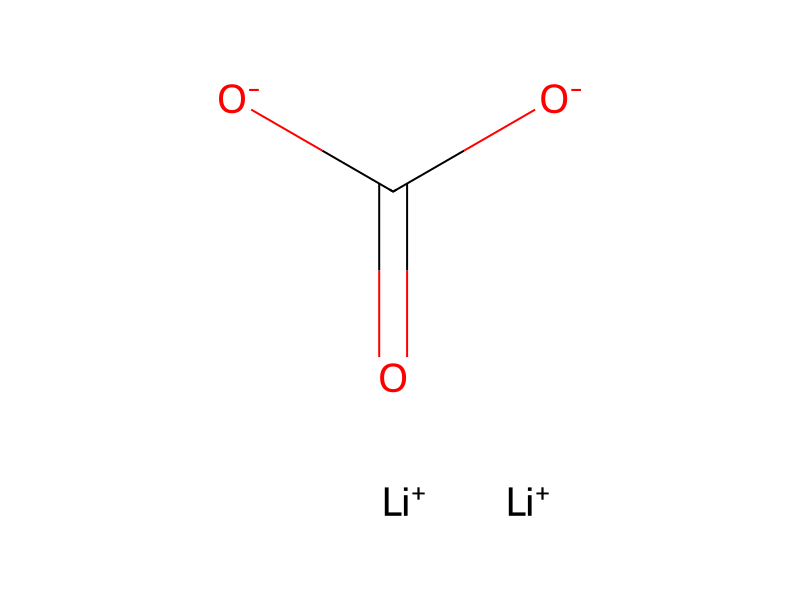
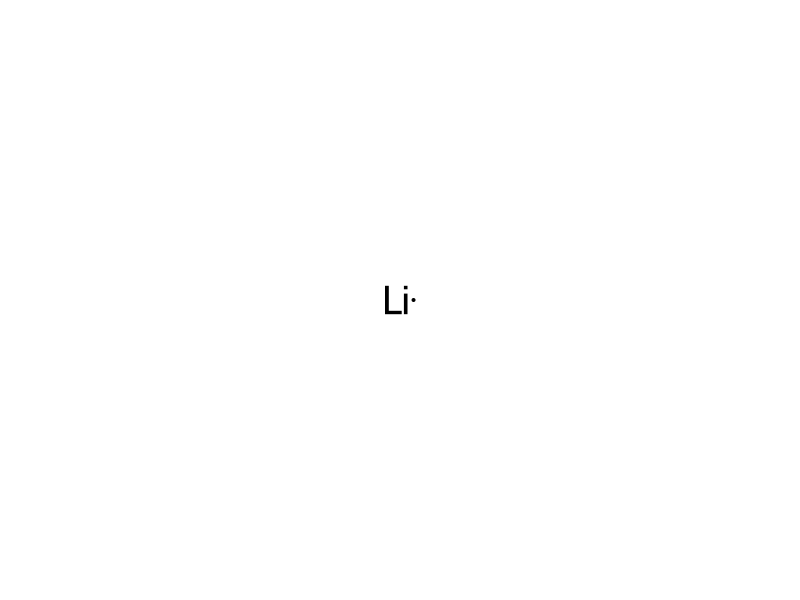
[S:1]1([C:12]2[C:7](=[CH:8][CH:9]=[CH:10][CH:11]=2)[C:5](=[O:6])[NH:4]1)(=[O:3])=[O:2].OC[C@@H]([C@H]([C@@H]([C@@H](CO)O)O)O)O.C(=O)([O-])[O-].[Li+].[Li+].[Li:31]>O>[S:1]1([C:12]2[C:7](=[CH:8][CH:9]=[CH:10][CH:11]=2)[C:5](=[O:6])[NH:4]1)(=[O:2])=[O:3].[Li:31]Participants
Reactant 4
Product 1

Reagents, catalysts & solvents 1

Conditions
- Temperature
- 49 °C
Procedure
For Samples 3-6, the sorbitol, 70% was charged to a kettle, followed by the sucrose, d-maltose, and Cornsweet 95, 77%. All of these were mixed until fully dissolved to produce a sorbitol intermediate mixture. The dissolving process was hastened by the application of low heat (approximately 49° C.). The saccharin and water were charged to a second kettle and mixed. The saccharin dispersed in the water but did not dissolve because saccharin is not water soluble. Then lithium carbonate was charged to the second kettle. A foaming reaction occurred as the lithium salt of saccharin was created, and the contents of the second kettle were mixed until the product was clear, to produce a lithium saccharin intermediate mixture. The contents of the second kettle were added to the sorbitol intermediate mixture of the first kettle.
Workup
- additionmixed
- customA foaming reaction
- additionthe contents of the second kettle were mixed until the product
Sources & evidence
- ORD record
- ord-3c6ec796eeea4af8bb1666fac323b881
- Source dataset
- uspto-grants-1999_07
- Patent number
- US05928634
Reaction notes
Loading…