Methyl Acrylate → Methyl 3-(5-bromo-4-methyl-2-oxopyridin-1(2H)-yl)propanoate
Reaction equation

[Br:1][C:2]1[C:3]([CH3:9])=[CH:4][C:5](=[O:8])[NH:6][CH:7]=1.C([O-])([O-])=O.[K+].[K+].[C:16]([O:20][CH3:21])(=[O:19])[CH:17]=[CH2:18]>CN(C=O)C>[Br:1][C:2]1[C:3]([CH3:9])=[CH:4][C:5](=[O:8])[N:6]([CH2:18][CH2:17][C:16]([O:20][CH3:21])=[O:19])[CH:7]=1Participants
5
Reactant 3
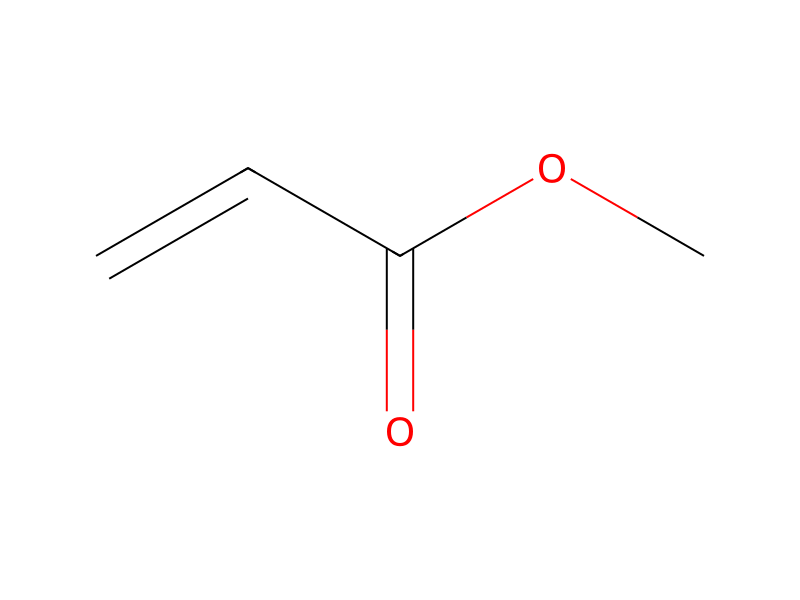


Product 1

Reagents, catalysts & solvents 1

Conditions
- Temperature
- 80 °C
Procedure
To a solution of 5-bromo-4-methylpyridin-2(1H)-one (1.0 g, 5.3 mmol) in DMF (10 mL), K2CO3 (1.5 g, 10.6 mmol) was added, followed by addition of methyl acrylate (0.91 g, 10.6 mmol) at 80° C. The mixture was stirred at 80° C. for 1 h. The mixture was allowed to cool to room temperature and then partitioned between ethyl acetate and water. The organic layer was washed with brine, dried over Na2SO4, filtered and concentrated in vacuo. The residue was used directly in the next step without further purification.
Workup
- temperatureto cool to room temperature
- custompartitioned between ethyl acetate and water
- washThe organic layer was washed with brine
- dry with materialdried over Na2SO4
- filtrationfiltered
- concentrationconcentrated in vacuo
- customThe residue was used directly in the next step without further purification
Sources & evidence
- ORD record
- ord-4cb5cb7a243e4d8da8670d7428aa647d
- Source dataset
- uspto-grants-2016_01
- Patent number
- US09227978B2
Reaction notes
Loading…