Diisopropylethylamine → 4-nitrophenyl tetrahydro-2H-pyran-4-ylcarbamate
Reaction equation

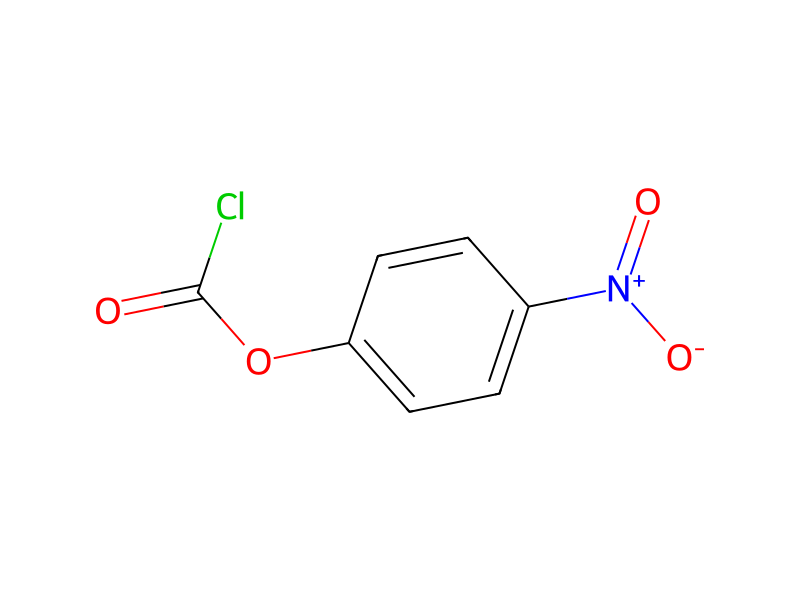
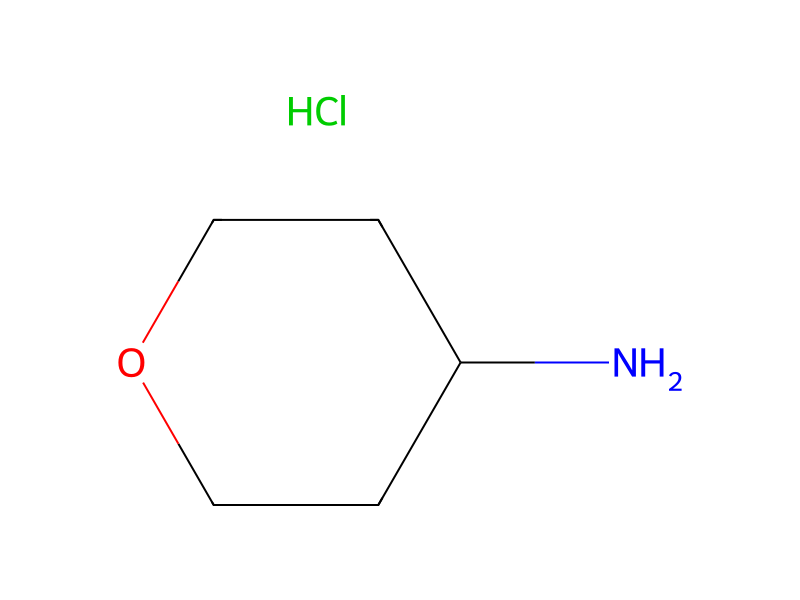
Cl.[O:2]1[CH2:7][CH2:6][CH:5]([NH2:8])[CH2:4][CH2:3]1.Cl[C:10]([O:12][C:13]1[CH:18]=[CH:17][C:16]([N+:19]([O-:21])=[O:20])=[CH:15][CH:14]=1)=[O:11].C(N(C(C)C)CC)(C)C.C(=O)([O-])O.[Na+]>ClCCl>[O:2]1[CH2:7][CH2:6][CH:5]([NH:8][C:10](=[O:11])[O:12][C:13]2[CH:14]=[CH:15][C:16]([N+:19]([O-:21])=[O:20])=[CH:17][CH:18]=2)[CH2:4][CH2:3]1Participants




Procedure
To a solution of 5.00 g (36.3 mmol) of tetrahydro-2H-pyran-4-yl-amine hydrochloride (CAS 38041-19-9) in 300 ml of dichloromethane, cooled to −15° C. are added portionwise 13.2 g (65.4 mmol) of 4-nitrophenyl chloroformate (CAS 7693-46-1) and then 12.7 ml (72.7 mmol) of diisopropylethylamine. Stirring is continued at −0° C. for 2 hours, and 20 ml of saturated aqueous sodium hydrogen carbonate solution are then added. The organic phase is separated out by settling and dried over sodium sulfate and the solvent is evaporated off under reduced pressure. The residue is purified by chromatography on a column 80 g of silica gel, eluting with a mixture of 20% acetone in dichloromethane, to give 8.26 g of 4-nitrophenyl tetrahydro-2H-pyran-4-ylcarbamate in the form of a white powder.
Workup
- customThe organic phase is separated out
- dry with materialdried over sodium sulfate
- customthe solvent is evaporated off under reduced pressure
- customThe residue is purified by chromatography on a column 80 g of silica gel
- washeluting with a mixture of 20% acetone in dichloromethane
Sources & evidence
- ORD record
- ord-69da2b72d66e44d18b5b1c97af2ed335
- Source dataset
- uspto-grants-2016_01
- Patent number
- US09233965B2
Reaction notes
Loading…