Nitrogen → 2-Pent-4-ynyl-cyclopropanol
Reaction equation

N#N.[CH2:3]1[CH2:7][O:6][CH2:5][CH2:4]1.[CH2:8]([Li])[CH2:9][CH2:10][CH2:11]CC.C1(O)CC1>CN1C(=O)N(C)CCC1>[CH2:5]([CH:4]1[CH2:3][CH:7]1[OH:6])[CH2:11][CH2:10][C:9]#[CH:8]Participants
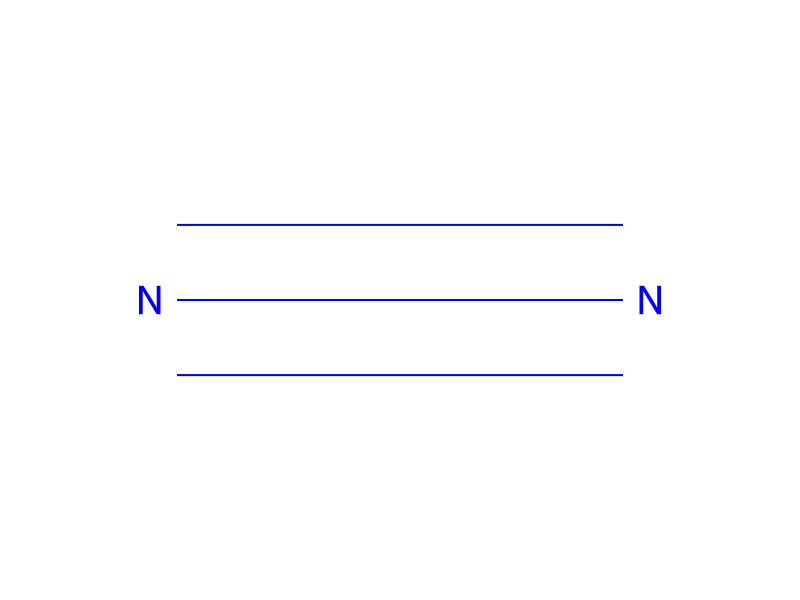



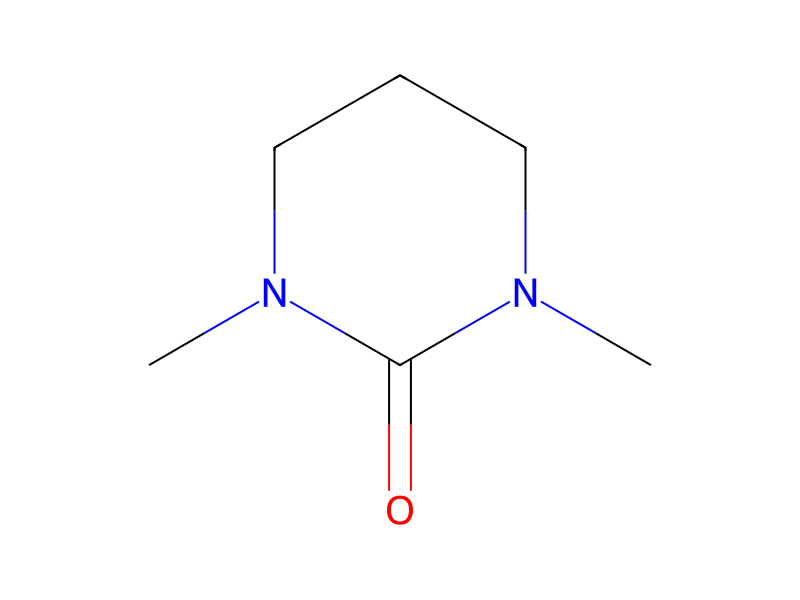
Conditions
- Temperature
- 0 °C
Procedure
To a 2-neck 15-mL flask equipped with a temperature probe, N2 inlet, and septum was added 1 g of 4 (7.28 mmol, 1.0 equiv) and 3.0 mL THF. The solution was cooled to an internal temperature of 0° C. with an ice bath. To this solution was added 2.95 mL of 33 wt % n-Hexyllithium (7.28 mmol, 1.0 equiv) slowly via syringe pump over 1 hour. Internal temperature rose to 6.8° C. and solution became yellow. In a separate 3-neck 100-mL flask equipped with a temperature probe, N2 inlet, and septum 0.82 g of lithium acetylide-ethylenediamine complex (8.01 mmol, 1.1 equiv) was slurried in 5.0 mL of DMPU at room temperature. To this room temperature slurry, the cold solution of the deprotonated cyclopropanol was transferred via cannula over 5 min. After the addition, the brown mixture was heated to an internal temperature of 52° C. with a heating mantle for 3 hours or until greater than 98% conversion was observed by GC. The brown mixture was cooled with an ice bath to 3° C. and then the ice bath was removed to prevent freezing. To this was slowly added 17.5 mL of 0.5 N HCl and an ice bath was applied to maintain an internal temperature below 21° C. The mixture was then diluted with 10 mL MTBE and 5 mL of water before transfer to a separatory funnel and removal of the aqueous layer. The aqueous layer was extracted once with 15 mL MTBE and then the combined organic layers were washed with 20 mL water followed by 20 mL brine. The organic layer was then concentrated in vacuo to afford 1.27 g of rac-5 as a yellow oil (72 wt %). 1H NMR (400 MHz, CDCl3) δ 3.24 (dt, 1H, J=2.6, 5.3 Hz), 2.25 (dt, 2H, J=2.6, 7.6 Hz), 1.96 (t, 1H, J=2.6 Hz), 1.92 (s, 1H, OH), 1.64 (pent, 2H, J=7.3 Hz), 1.38 (sext, 1H, J=6.9 Hz), 1.24 (sext, 1H, J=6.9 Hz), 0.93 (m, 1H), 0.72 (m, 1H), 0.35 (q, 1H, J=6.0 Hz); 13C NMR (100 MHz, CDCl3) δ 84.49, 68.37, 52.45, 30.50, 27.74, 20.17, 18.01, 14.25; GC: HP1 (30 m×0.32 mm; 0.25 μm), 25 psi, 200° C. front inlet. 5 min @ 50° C., ramp 25° C./min to 250° C. then hold for 4 min, tr(4)=7.15 min, tr(rac-5)=6.72 min.
Workup
- customrose to 6.8° C.
- additionAfter the addition
- temperaturethe brown mixture was heated to an internal temperature of 52° C. with a heating mantle for 3 hours or until greater than 98% conversion
- temperatureThe brown mixture was cooled with an ice bath to 3° C.
- customthe ice bath was removed
- temperatureto maintain an internal temperature below 21° C
- additionThe mixture was then diluted with 10 mL MTBE and 5 mL of water before transfer to a separatory funnel
- customremoval of the aqueous layer
- extractionThe aqueous layer was extracted once with 15 mL MTBE
- washthe combined organic layers were washed with 20 mL water
- concentrationThe organic layer was then concentrated in vacuo
- customto afford 1.27 g of rac-5 as a yellow oil (72 wt %)
- customHP1 (30 m×0.32 mm; 0.25 μm), 25 psi, 200° C. front inlet
- custom5 min
- custom@ 50° C.
- customtr(4)=7.15 min, tr(rac-5)=6.72 min.
Sources & evidence
- ORD record
- ord-9ddb8a67770a416a94d1b08acad53f6e
- Source dataset
- uspto-grants-2016_01
- Patent number
- US09238604B2
Reaction notes
Loading…