Dimethyl Sulfoxide → HCID 178471780, compound
Reaction equation

[F:1][C:2]([F:50])([F:49])[C:3]1[CH:4]=[C:5]([CH:42]=[C:43]([C:45]([F:48])([F:47])[F:46])[CH:44]=1)[CH2:6][N:7]([CH2:15][C:16]1[CH:21]=[C:20]([C:22]([F:25])([F:24])[F:23])[CH:19]=[CH:18][C:17]=1[N:26]([CH2:29][C@H:30]1[CH2:35][CH2:34][C@H:33]([CH2:36][C:37]([O:39][CH2:40][CH3:41])=[O:38])[CH2:32][CH2:31]1)[CH2:27][CH3:28])[C:8]1[N:13]=[CH:12][C:11](Br)=[CH:10][N:9]=1.CS(C)=[O:53].C([O-])(=O)C.[K+].B1(B2OC(C)(C)C(C)(C)O2)OC(C)(C)C(C)(C)O1>[Cl-].[Na+].O.C(OCC)(=O)C>[F:1][C:2]([F:50])([F:49])[C:3]1[CH:4]=[C:5]([CH:42]=[C:43]([C:45]([F:48])([F:47])[F:46])[CH:44]=1)[CH2:6][N:7]([CH2:15][C:16]1[CH:21]=[C:20]([C:22]([F:25])([F:24])[F:23])[CH:19]=[CH:18][C:17]=1[N:26]([CH2:29][C@H:30]1[CH2:35][CH2:34][C@H:33]([CH2:36][C:37]([O:39][CH2:40][CH3:41])=[O:38])[CH2:32][CH2:31]1)[CH2:27][CH3:28])[C:8]1[N:13]=[CH:12][C:11]([OH:53])=[CH:10][N:9]=1Participants






Conditions
- Temperature
- 80 °C
Procedure
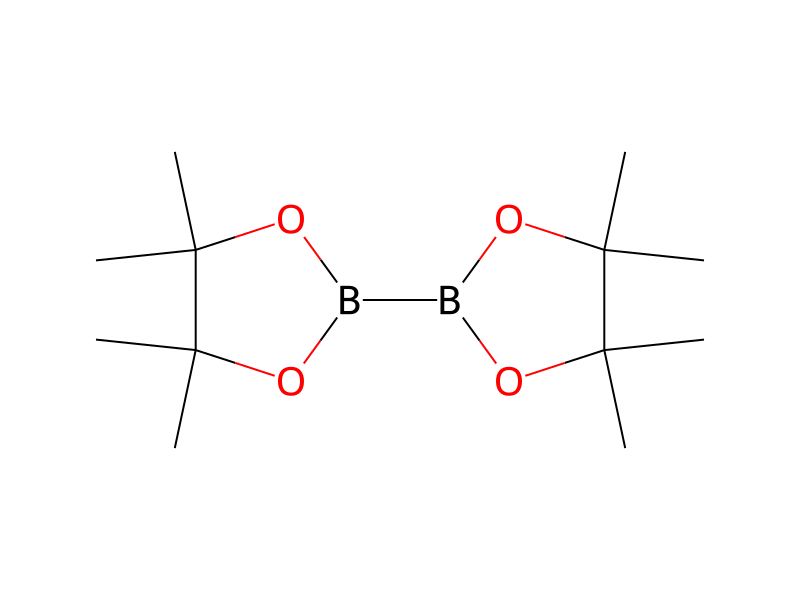
Ethyl trans-(4-{[(2-{[(3,5-bis-trifluoromethyl-benzyl)-(5-bromo-pyrimidin-2-yl)-amino]-methyl}-4-trifluoromethyl-phenyl)-ethyl-amino]-methyl}-cyclohexyl)-acetate (which is prepared by treating the corresponding starting compound in a same manner as in Example 12 (1)-(3)) (2.6 g) is dissolved dimethylsulfoxide (15 ml), and thereto are added [1,1′-bis(diphenylphosphino)ferrocene]dichloropalladium dichloromethane complex (73 mg), potassium acetate (977 mg) and bis(pinacolato)diboron (1.26 g), and the mixture is heated to 80° C. under nitrogen atmosphere and stirred for 2 hours. The reaction solution is cooled to room temperature and thereto are added a saturated brine and ethyl acetate, and the mixture is separated and the organic layer is washed with a saturated brine again, dried over magnesium sulfate, and concentrated under reduced pressure. The resulting residue is dissolved in tetrahydrofuran (30 ml) and thereto is added dropwise a 30% aqueous hydrogen peroxide solution (30 ml) under ice-cooling. The mixture is stirred for 1 hour, and thereto is added a saturated aqueous sodium thiosulfate solution to consume the excess hydrogen peroxide and thereto are added water and ethyl acetate, and the mixture is separated. The organic layer is washed with a saturated brine, dried over magnesium sulfate, and concentrated under reduced pressure. The resulting residue is purified by silica gel column chromatography (hexane:ethyl acetate=19:1 to 7:3) to give ethyl trans-(4-{[(2-{[(3,5-bis-trifluoromethyl-benzyl)-(5-hydroxy-pyrimidin-2-yl)-amino]-methyl}-4-trifluoromethyl-phenyl)-ethylamino]-methyl}-cyclohexyl)-acetate (1.29 g). MS (m/z): 721 [M+H]+
Workup
- additionby treating the
- temperatureThe reaction solution is cooled to room temperature
- customthe mixture is separated
- washthe organic layer is washed with a saturated brine again
- dry with materialdried over magnesium sulfate
- concentrationconcentrated under reduced pressure
- dissolutionThe resulting residue is dissolved in tetrahydrofuran (30 ml)
- additionis added dropwise a 30% aqueous hydrogen peroxide solution (30 ml) under ice-
- temperaturecooling
- stirringThe mixture is stirred for 1 hour
- additionis added a saturated aqueous sodium thiosulfate solution
- customto consume the excess hydrogen peroxide
- additionare added water and ethyl acetate
- customthe mixture is separated
- washThe organic layer is washed with a saturated brine
- dry with materialdried over magnesium sulfate
- concentrationconcentrated under reduced pressure
- customThe resulting residue is purified by silica gel column chromatography (hexane:ethyl acetate=19:1 to 7:3)
Sources & evidence
- ORD record
- ord-3216c986e659408cbdd427ec08022503
- Source dataset
- uspto-grants-2011_03
- Patent number
- US07906517B2
Reaction notes
Loading…