Sodium Iodide → 3-Iodo-5-phenylethynylpyridine
Reaction equation

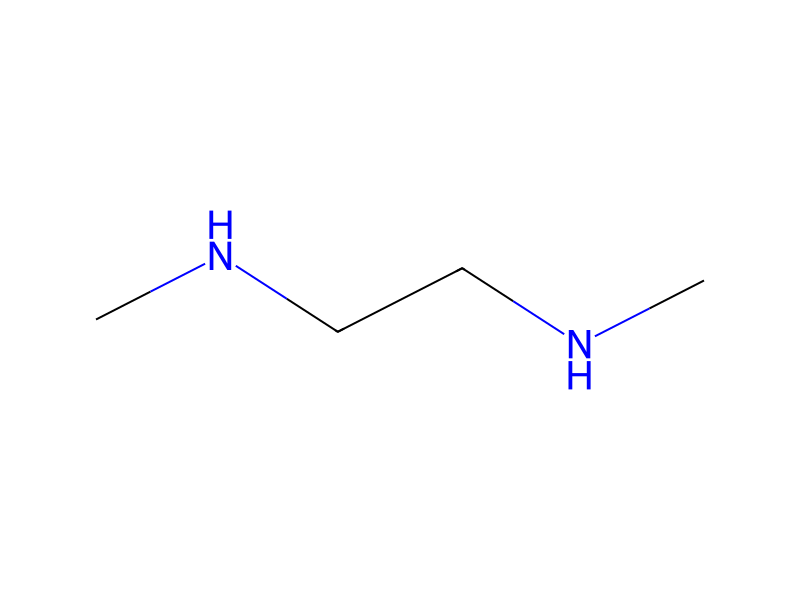
Br[C:2]1[CH:3]=[N:4][CH:5]=[C:6]([C:8]#[C:9][C:10]2[CH:15]=[CH:14][CH:13]=[CH:12][CH:11]=2)[CH:7]=1.[I-:16].[Na+].CNCCNC>O1CCOCC1.C(OCC)(=O)C.[Cu]I>[I:16][C:2]1[CH:3]=[N:4][CH:5]=[C:6]([C:8]#[C:9][C:10]2[CH:15]=[CH:14][CH:13]=[CH:12][CH:11]=2)[CH:7]=1Participants
7
Reactant 3


Product 1

Reagents, catalysts & solvents 3



Procedure
Heat a mixture of 3-bromo-5-phenylethynylpyridine (5.71 g, 22.12 mmol), (prepared essentially as described in EXAMPLE 9), copper (I) iodide (211 mg, 1.1 mmol), sodium iodide (6.63 g, 44.24 mmol) and N,N′-dimethylethylenediamine (0.24 mL, 2.21 mmol) in 1,4-dioxane (20 mL) at 110° C. for 60 h. Cool to room temperature, dilute with ethyl acetate and wash with a saturated aqueous solution of sodium chloride, and dry (sodium sulfate). Purify the residue by silica gel chromatography, eluting with 15:1 hexanes:ethyl acetate, to give the title compound (5.45 g, 81%).
Workup
- temperatureHeat
- custom(prepared essentially
- customat 110° C.
- customfor 60 h
- washwash with a saturated aqueous solution of sodium chloride
- dry with materialdry (sodium sulfate)
- customPurify the residue by silica gel chromatography
- washeluting with 15:1 hexanes
Sources & evidence
- ORD record
- ord-b76a5c9589a44a07bc98be457ac0e656
- Source dataset
- uspto-grants-2011_03
- Patent number
- US07915424B2
Reaction notes
Loading…