Hydrochloric Acid → HCID 19599017, compound
Reaction equation

[CH:1]([C:3]1[CH:21]=[CH:20][C:6]([CH2:7][CH:8]([C:14]2([O:19][CH2:18][CH2:17][O:16]2)[CH3:15])[C:9]([O:11]CC)=[O:10])=[CH:5][CH:4]=1)=[CH2:2].[NH4+].[OH-].Cl.[C:25]1(=O)OCC[CH2:26]1>>[CH2:25]([C:8]([CH2:7][C:6]1[CH:5]=[CH:4][C:3]([CH:1]=[CH2:2])=[CH:21][CH:20]=1)([C:14]1([O:16][CH2:17][CH2:18][O:19]1)[CH3:15])[C:9]([OH:11])=[O:10])[CH3:26]Participants
5

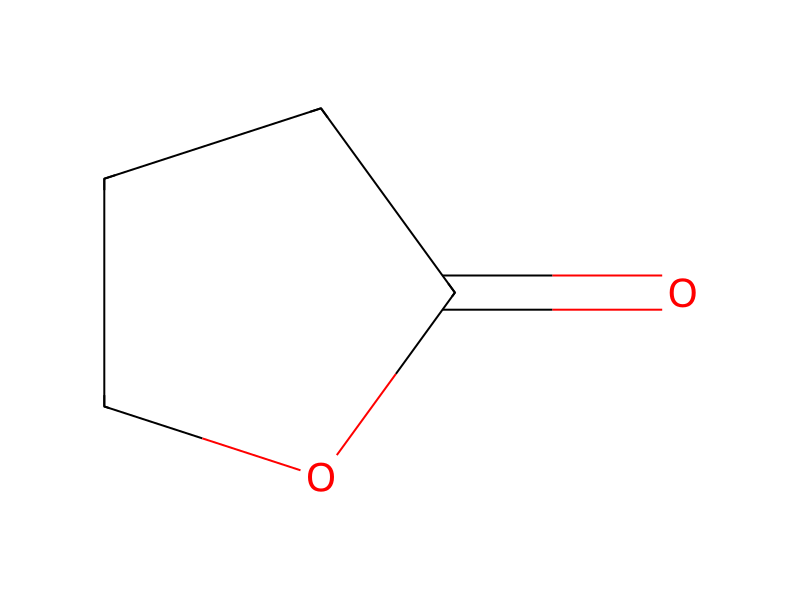



Conditions
- Temperature
- 110 °C
Procedure
Ethyl 2-(4-vinylbenzyl)-3,3-(ethylenedioxy)butanoate polymer (formed in Example 3) (1.9 g, 7.7 mmol) was dissolved in g-butyrolactone (30 ml). A solution of NH4OH (30% in water) was added and the solution warmed to 110 ° C. for 5 hours. The resultant solution was made slightly acidic with the addition of HCl and the ethyl 2-(4-vinylbenzyl)-3,3-(ethylenedioxy)butanoic acid polymer precipitated into toluene and dried as a white powder (0.6g).
Workup
- customthe ethyl 2-(4-vinylbenzyl)-3,3-(ethylenedioxy)butanoic acid polymer precipitated into toluene
- dry with materialdried as a white powder (0.6g)
Sources & evidence
- ORD record
- ord-a70dcb38784641269407135c32bc4b0f
- Source dataset
- uspto-grants-1999_12
- Patent number
- US05998092
Reaction notes
Loading…