3-Hydroxypyridine → HCID 19600741, compound
Reaction equation

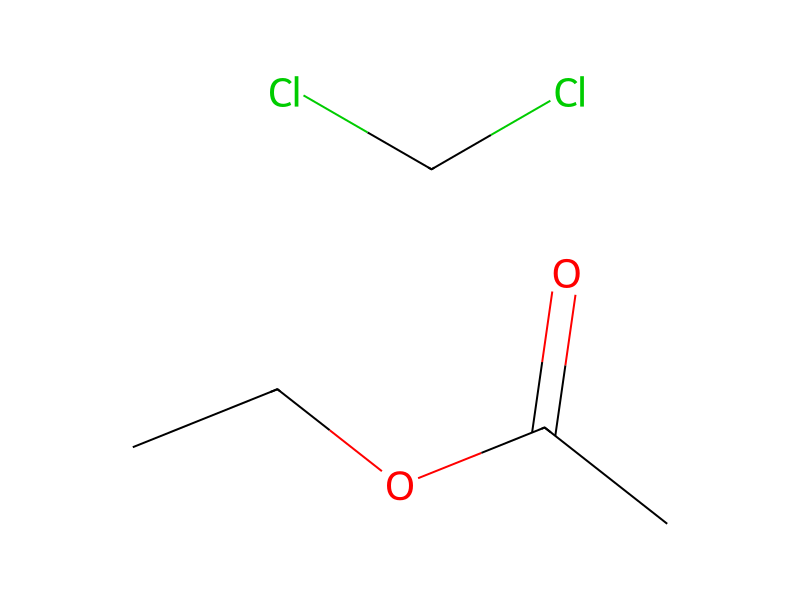
[OH:1][C:2]1[CH:3]=[N:4][CH:5]=[CH:6][CH:7]=1.[H-].[Na+].Br[CH:11]1[C:20](=[O:21])[C:19]2[C:14](=[CH:15][CH:16]=[C:17]([O:22][CH3:23])[CH:18]=2)[O:13][CH2:12]1.[OH-].[Na+]>CN(C)C=O.O.C(OCC)(=O)C.C(Cl)Cl>[CH3:23][O:22][C:17]1[CH:18]=[C:19]2[C:14](=[CH:15][CH:16]=1)[O:13][CH2:12][CH:11]([O:1][C:2]1[CH:3]=[N:4][CH:5]=[CH:6][CH:7]=1)[C:20]2=[O:21]Participants
Reactant 4




Product 1

Reagents, catalysts & solvents 3


Procedure
To a room temperature solution of 3-hydroxypyridine (7.55 g, 0.0778 mol) in dimethylformamide (400 ml) was added in portions 3.74 g (0.0780 mol) of 50% sodium hydride. The mixture was stirred at room temperature for 30 minutes, followed by the addition of 20.0 g (0.0778 mol) of 3-bromo-6-methoxy-4-chromanone all at once. The resulting red-orange mixture was stirred at room temperature for 1 hour, after which tlc (20% ethyl acetate/CH2Cl2) indicated complete conversion of starting material to the more polar products. The reaction mixture was poured into 1.2 liter of H2O, adjusted to pH 8-9 with 1N NaOH and extracted with ethyl acetate (2×800 ml). The combined extracts were washed with H2O and brine, dried over Na2SO4, and concentrated in vacuo to a yellow oil. Purification by flash column chromatography using 2.3 Kg of fine mesh silica gel and eluting with 20% ethyl acetate/CH2Cl2 afforded title product as a pale yellow solid in 3.6% yield, m.p. 135-136° C.
Workup
- stirringThe resulting red-orange mixture was stirred at room temperature for 1 hour
- extractionextracted with ethyl acetate (2×800 ml)
- washThe combined extracts were washed with H2O and brine
- dry with materialdried over Na2SO4
- concentrationconcentrated in vacuo to a yellow oil
- customPurification by flash column chromatography
- washeluting with 20% ethyl acetate/CH2Cl2
Sources & evidence
- ORD record
- ord-3f0076f54b4046109ecbbb8d8c7a1237
- Source dataset
- uspto-grants-1999_12
- Patent number
- US05998451
Reaction notes
Loading…