Hydrochloric Acid → HCID 178474212, compound
Reaction equation

[O:1]=[C:2]1[CH2:10][C:9]2[C:4](=[CH:5][C:6]([C:11]([C:13]3[CH:18]=[CH:17][C:16]([NH:19][C:20](=[O:22])[CH3:21])=[CH:15][CH:14]=3)=[O:12])=[CH:7][CH:8]=2)[NH:3]1.[CH:23](OCC)=[O:24].[O-]CC.[Na+].Cl>C(O)C>[OH:24][CH:23]=[C:10]1[C:9]2[C:4](=[CH:5][C:6]([C:11]([C:13]3[CH:18]=[CH:17][C:16]([NH:19][C:20](=[O:22])[CH3:21])=[CH:15][CH:14]=3)=[O:12])=[CH:7][CH:8]=2)[NH:3][C:2]1=[O:1]Participants

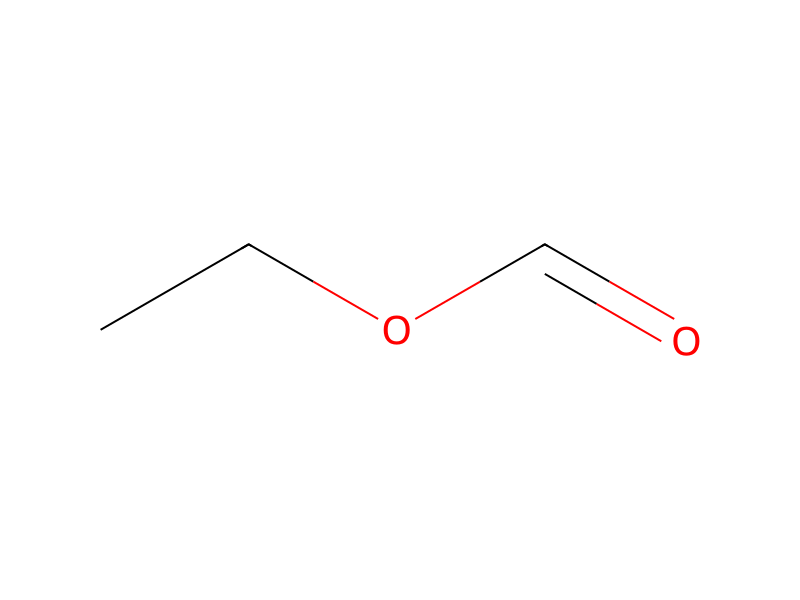




Conditions
- Temperature
- 78 °C
Procedure
N-[4-(2-Oxo-2,3-dihydro-1H-indole-6-carbonyl)-phenyl]-acetamide (1.15 g, 3.90 mmol) and ethyl formate (0.95 mL, 11.70 mmol) were dissolved in anhydrous ethanol (8.00 mL). The resulting solution was treated in dropwise fashion with a 21 wt % solution of sodium ethoxide in ethanol (4.40 mL, 11.70 mmol). This reaction mixture was heated at 78° C. for 1 h, producing a black oil. Subsequently, the reaction mixture was cooled to room temperature, and then the reaction pH was adjusted to pH 3 with dropwise addition of 1M HCl(aq). The dark orange precipitate that formed was filtered then re-dissolved in EtOH (25 mL). The ethanolic solution was made basic with the addition of 1 M NaOH(aq) (4 mL). The basic solution then was re-acidified to pH 1 with 1 M HCl(aq) (10 mL) causing the formation of a pale orange precipitate. This suspension was filtered yielding an orange solid as the pure N-[4-(3-Hydroxymethylene-2-oxo-2,3-dihydro-1H-indole-6-carbonyl)-phenyl]-acetamide (0.852 g, 2.64 mmol, 68%).
Workup
- customproducing a black oil
- temperatureSubsequently, the reaction mixture was cooled to room temperature
- customThe dark orange precipitate that formed
- filtrationwas filtered
- dissolutionthen re-dissolved in EtOH (25 mL)
- additionThe ethanolic solution was made basic with the addition of 1 M NaOH(aq) (4 mL)
- filtrationThis suspension was filtered
Sources & evidence
- ORD record
- ord-1e000d66403d4efa926b60fb9ed2b73a
- Source dataset
- uspto-grants-2010_04
- Patent number
- US07692005B2
Reaction notes
Loading…