Formate → 1,3-Propanediol
Reaction equation

C([O-])=O.C([O-])(=O)C(C)O.[O:10]=[CH:11][C@@H:12]([C@H:14]([C@@H:16]([C@@H:18]([CH2:20][OH:21])[OH:19])[OH:17])[OH:15])[OH:13].C[C@]1(O)[C@@H]2C(=C(O)[C@]3(O)C(=O)C(C(N)=O)=C(O)[C@@H](N(C)C)[C@@H]3C2)C(=O)C2C(O)=CC=CC1=2>>[CH2:14]([OH:15])[CH2:12][CH2:11][OH:10].[O:10]=[CH:11][C@@H:12]([C@H:14]([C@@H:16]([C@@H:18]([CH2:20][OH:21])[OH:19])[OH:17])[OH:15])[OH:13]Participants
6

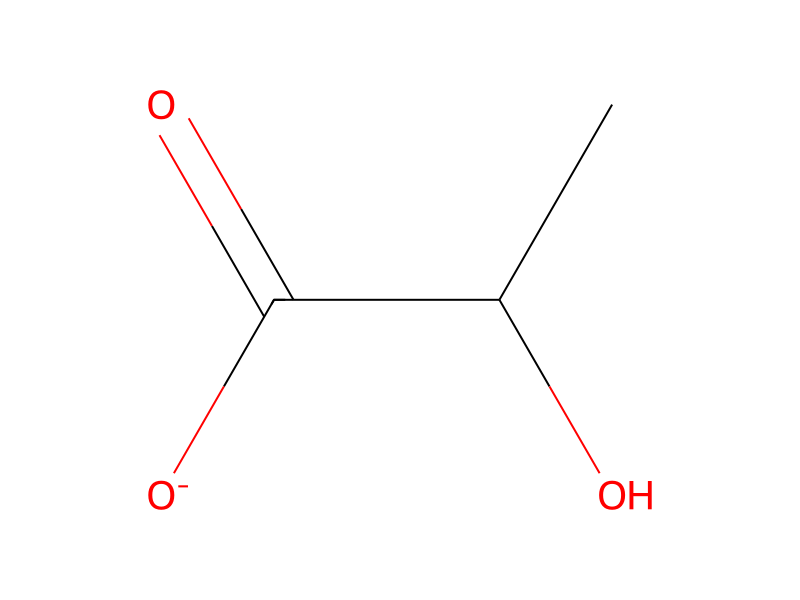


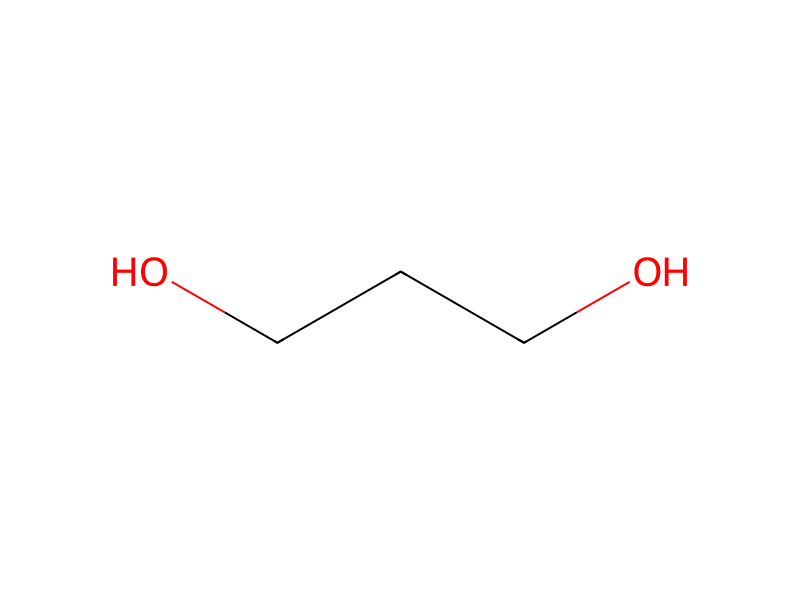
Procedure
The plasmid pTPG(−) and the control plasmid pTLH1 were introduced into the E. coli NZN 111 (pfl :cat, Idh :kan) strain, a strain incapable of producing formate and lactate in anaerobiosis. These two recombinant strains were then grown anaerobically for 48 hours in the LB medium+glucose+10 μg/ml of tetracycline without regulation of pH. The results presented in Table 5 show that E. coli can produce significant quantities of 1,3-propanediol from glucose after transformation by the plasmid pTPG.
Workup
- additionThe plasmid pTPG(−) and the control plasmid pTLH1 were introduced into the E
Sources & evidence
- ORD record
- ord-836d6c633ed54cceae662041055e1974
- Source dataset
- uspto-grants-2010_04
- Patent number
- US07695943B2
Reaction notes
Loading…