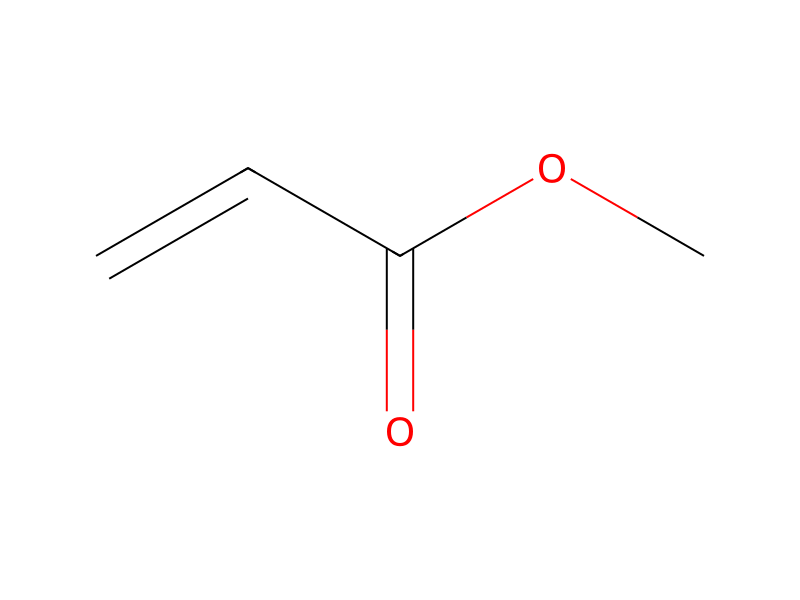
Methyl Acrylate → HCID 67485840, compound
Reaction equation

[C:1]([O:5][CH3:6])(=[O:4])[CH:2]=[CH2:3].[C:7]([C:9]1[CH:23]=[C:22](I)[C:12]2[N:13]([C:16]3[CH:21]=[CH:20][CH:19]=[CH:18][CH:17]=3)[CH:14]=[N:15][C:11]=2[CH:10]=1)#[N:8].C(N(CC)CC)C>C1(C)C=CC=CC=1P(C1C=CC=CC=1C)C1C=CC=CC=1C.C(#N)C>[CH3:6][O:5][C:1](=[O:4])[CH:2]=[CH:3][C:22]1[C:12]2[N:13]([C:16]3[CH:21]=[CH:20][CH:19]=[CH:18][CH:17]=3)[CH:14]=[N:15][C:11]=2[CH:10]=[C:9]([C:7]#[N:8])[CH:23]=1Participants
6





Procedure
Methyl acrylate (0.27 ml, 3 mmol), 5-cyano-7-iodo-1-phenylbenzimidazole (346 mg, 1.0 mmol), triethylamine (0.28 ml, 2 mmol) palladium acetate (4.5 mg, 0.02 mmol), tri-o-tolylphosphine (16.1 mg, 0.05 mmol) and acetonitrile (5 ml) were combined in Reactivial™. The mixture was heated under reflux under an argon atmosphere for 17 h. The mixture was cooled, filtered through Dicalite and the filtrate was concentrated under reduced pressure. Crystals formed and were isolated by filtration and dried to give the title compound (250 mg, 83%), m/z 304.2 (M+H)+.
Workup
- temperatureThe mixture was heated
- temperatureunder reflux under an argon atmosphere for 17 h
- temperatureThe mixture was cooled
- filtrationfiltered through Dicalite
- concentrationthe filtrate was concentrated under reduced pressure
- customCrystals formed
- customwere isolated by filtration
- customdried
Sources & evidence
- ORD record
- ord-732b2da378444f94914f5e5fc2b6cbfd
- Source dataset
- uspto-grants-2010_04
- Patent number
- US07700638B2
Reaction notes
Loading…